The Story
Why it exists.
The beginning
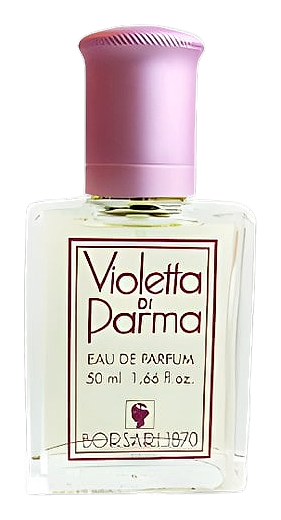
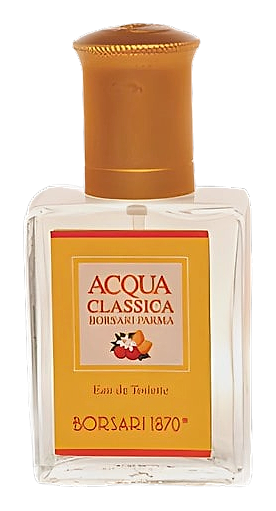
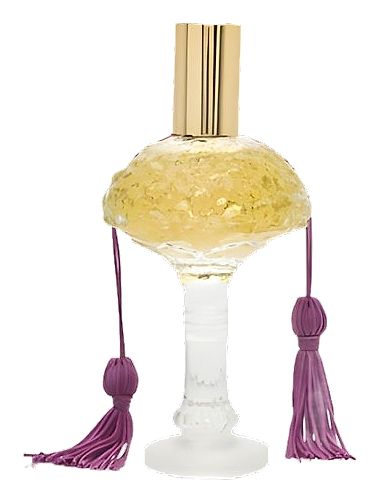
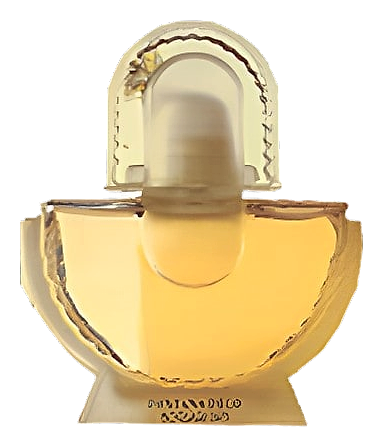
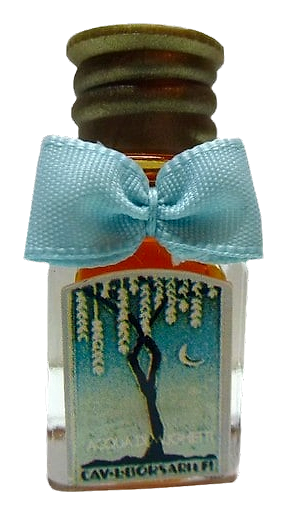
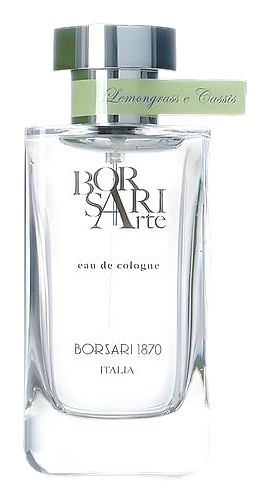
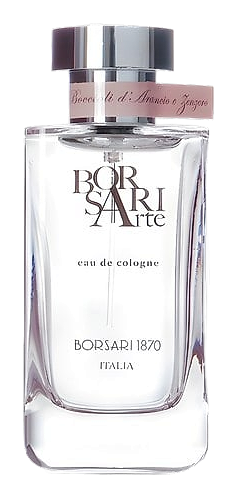
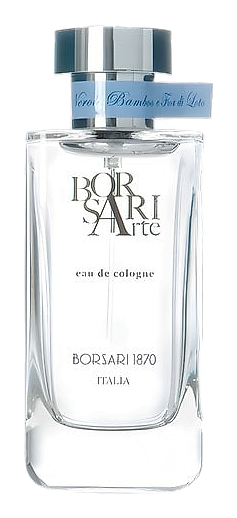
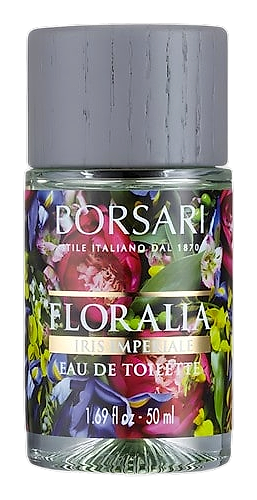
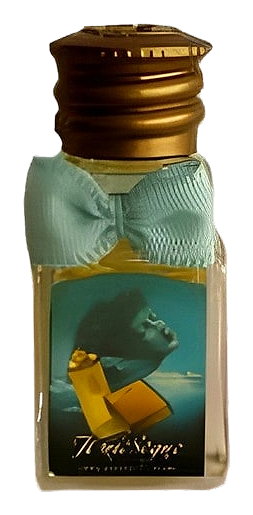
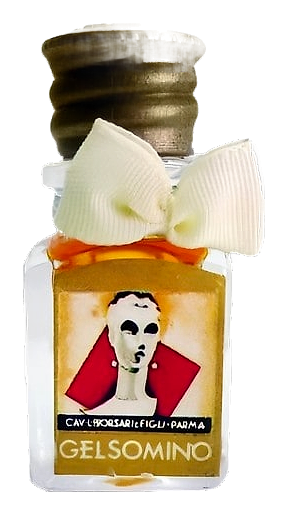
Alba Gioconda arrived in 1928, registered during a decade when Italian perfumery was already an established craft. The house associated with it, Borsari 1870, carried a name that had been working in fragrance for decades by the time this composition was filed. Alba Gioconda stepped into that lineage as a classified floral, nothing more, nothing less. The accord in the source data reads simply as "floral," and that plainness is part of what makes the archive entry worth a second look. What stands out immediately is the absence of ornament. There are no listed aldehydes, no specified resins, no oriental anchors, no gourmand flourishes. Just the single word "floral," repeated across the accord fields as if the house trusted it to carry every impression the composition would deliver.
What makes Alba Gioconda worth revisiting is the honesty of its classification. The accord is simply "floral," unornamented, and that lack of ornamentation is the point. No accord in the source data is more fascinating than the commitment to letting one category do all the talking. The entry doesn't bury itself under modifiers or secondary listings. There is no powder note, no spicy anchor, no green detail spelled out in the accord fields. Just the floral tag, held with confidence, the way a writer might trust a single well-chosen verb to carry a sentence.
The evolution
On skin, Alba Gioconda opens with a brightness that feels almost crystalline. The first impression is clean, lifted, and surprisingly modern for something registered in 1928. Nothing in the opening reads as candied, nothing cloys or overwhelms. The florals, however composed, arrive with a clarity that suggests cool morning air rather than heavy incense. As the minutes pass, the composition begins to settle into itself. The brightness of the opening softens but never disappears entirely. Instead it becomes a frame around the heart that follows, a glow that persists underneath whatever the florals decide to do next. There is a lift that stays. A transparency that never fully closes into density. Wearing Alba Gioconda over a full evening reads as a slow study in restraint. The composition keeps its distance from the dramatic shifts that mark many older florals.
Cultural impact
Alba Gioconda sits at the quiet end of the floral spectrum, composed during a decade when many houses were publishing louder, more decorated compositions. Its 1928 registration places it among the early modern florals that Italian perfume houses were filing as the new century settled into its stride. The fragrance reads as soft white light rather than declaration, a private gesture rather than a public announcement. Its vintage character, sealed by the 1928 launch date, makes it a reference point in any conversation about early 20th century Italian florals.