
The Story
Why it exists.
The beginning
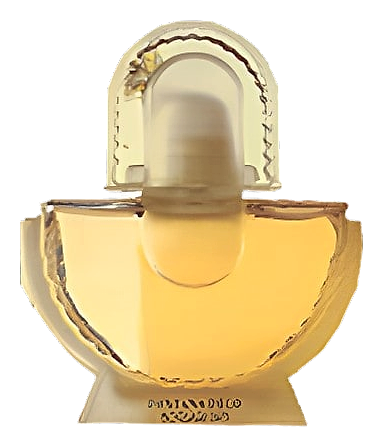
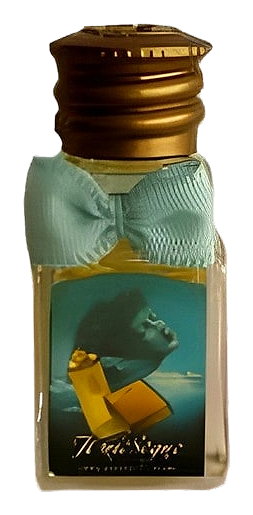
Released in 1929 by Borsari, Ah' Ambra arrived into a perfumery world that was still fluent in the language of single-note compositions. The fragrance presents itself as a study in focus: built around amber, the resinous heart of warm perfumery, presented without ornament or distraction. There is no elaborate top-note architecture promising citrus brightness or floral lift. There is no gourmand base layering vanilla into sweetness. What you get is amber, the way amber used to be worn in an era when restraint was a virtue rather than a stylistic choice. The composition commits to its material fully.
What makes the composition interesting is what it chooses to leave out. There is no sweetened gourmand edge here, no modern confectionery softening of the amber accord. Ah' Ambra commits to a singular focal point, and the result is a study in restraint. The powdery and soft spicy accords mentioned in reference data suggest supporting notes that orbit rather than compete, creating a composition that reads as amber first, always. The supporting accords behave as gentle foils, lending texture without ever stepping into the foreground.
The evolution
On skin, Ah' Ambra opens with a soft entry rather than a statement. The amber registers immediately, but it arrives hushed, like someone turning a page in a quiet room. There's a powdery quality to the opening that softens the initial impression, dusting the amber accord with something gentle at the periphery. As the composition develops, the soft spicy warmth becomes more apparent, lending the composition a gentle heat without sharpness. The heart phase settles into its true character: amber as the dominant voice, warmed by skin, supported by a faint animalic undertone that gives it weight without crossing into anything bold. As the hours pass, the fragrance doesn't transform so much as it concentrates. The powdery top recedes. The amber deepens into something closer to fossilized resin, warm and close to the body.
Cultural impact
Ah' Ambra sits within Borsari's quieter legacy of amber-led compositions, a lineage that includes Colonia, Acqua Viva, and Original Opoponax. These fragrances share a sensibility: warm, resin-forward, built around the kind of amber accord that reads as classical rather than contemporary. The name carries weight among collectors of older European perfume houses, where amber compositions hold a particular appeal for those drawn to the softer, less sweetened versions of the family.