The Story
Why it exists.
The beginning
Christian Provenzano designed Angelic in 2012 as part of the Boadicea the Victorious debut collection. The name arrived with the house's Harrods launch, one of the softer entries in a line named after a warrior queen. A deliberate subversion, perhaps. Angelic in nomenclature, commanding in execution. The brief wasn't gentleness. It was depth.
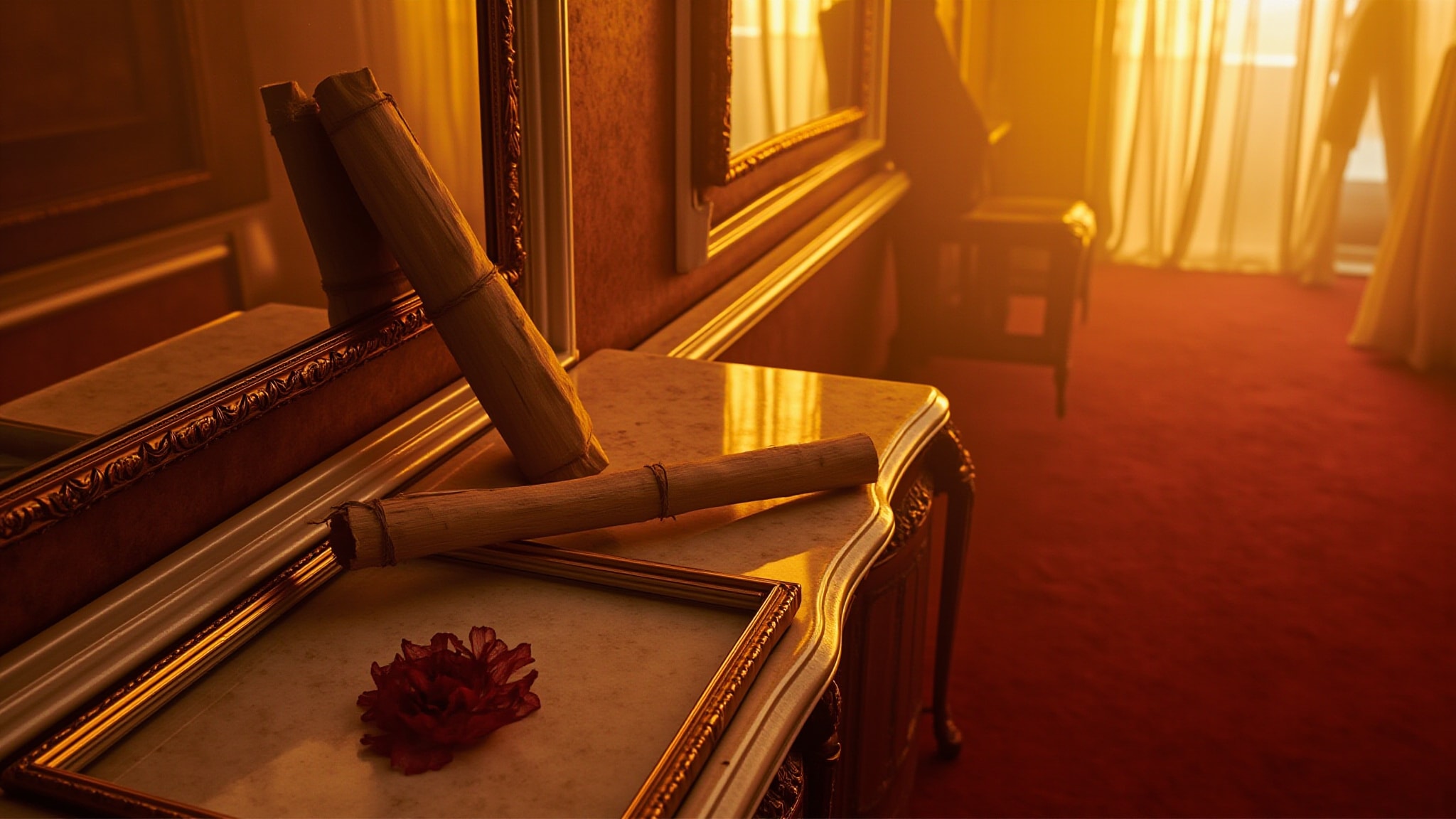
The papyrus note is the tell. Rare in Western perfumery, it brings a dry, slightly fungal quality that reads as mineral and organic at once, the smell of old paper, warm stone, something ancient. Paired with Damask rose, it becomes dusty rather than fresh, medicinal rather than sweet. The clary sage in the opening adds an aromatic dimension that keeps the apple from reading as fruity. This is a composition built for people who want complexity over comfort.
The evolution
The opening fires clean. Apple sweetness, clary sage's herbal lift, cardamom's warmth. For about twenty minutes, it's bright and approachable. Then the papyrus arrives. It doesn't announce itself, it settles in, dry and textured, displacing the sweetness. The rose follows, but it's not a garden rose. It's a rose pressed in a book, dusty and intimate. The base is where Angelic earns its name. Vetiver and cedar give it structure, but the sandalwood and amber create warmth that borders on soft. Musk adds powder without sweetness. The drydown lasts for hours, close to the skin, warm, the kind of scent someone notices when they're standing beside you.
Cultural impact
Angelic has found its audience among niche collectors who want something distinct from mainstream woody fragrances. The powdery-woody character and papyrus note set it apart. Since its 2012 launch, it's attracted wearers who appreciate a fragrance with actual character, something that earns attention rather than requesting it.