The Story
Why it exists.
The beginning
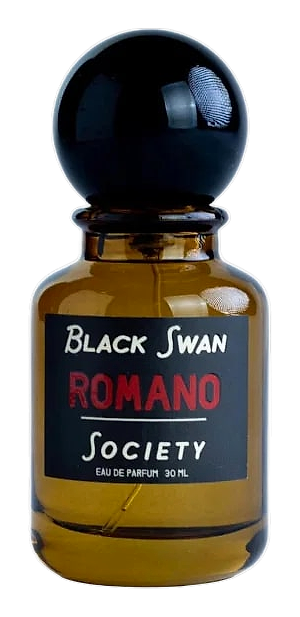
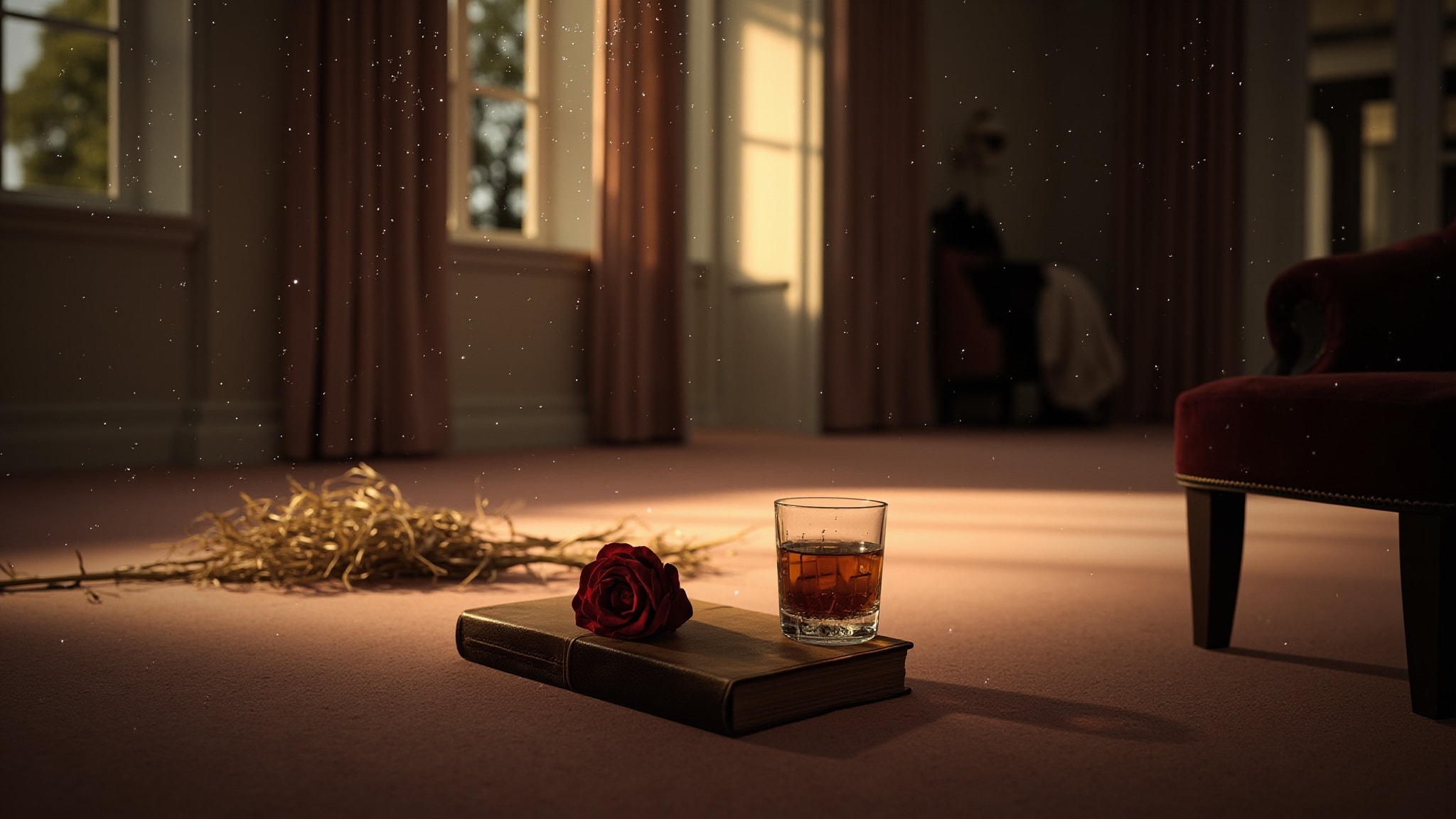
Romano belongs to Black Swan Society's Lost Manors collection, a series of compositions imagined around abandoned estates and the atmospheres left behind in their rooms. The house builds each scent in small batches, drawing on storytelling and mood, and this particular portrait conjures a grand parlor, one where indulgence once flourished behind velvet curtains and tarnished gold. The composition takes its cues from that image: noble rose centifolia resting on a bed of sun-warmed hay, aged rum pooling somewhere in the heart, oakwood and vanilla anchoring the architecture underneath. Released in 2025 as an eau de parfum, Romano is unisex and arrives without pretense, just a room, a mood, and the residue of something once lived-in.
The pairing of rose centifolia with hay and rum builds a composition that feels lived-in rather than constructed, each note borrowing from the last. The rose is the starting point, a faded floral warmth that reads more like dried petals than a fresh bouquet, softened by the hay rather than sharpened by green leaves. Rum arrives at the heart and shakes the whole arrangement loose, its boozy warmth loosening the hay and deepening the rose into something almost jammy, the kind of richness that comes from a decanter left open rather than a pour that was measured.
The evolution
The first thirty minutes belong to hay and rose, dry and floral with a dusty edge that reads almost like pollen catching in late afternoon sun. The hay lends a golden, slightly sweet warmth beneath the rose, and the two together feel less like a perfume and more like a room still holding the memory of cut stems left on a table. The rum arrives around the forty-minute mark, warming the composition from within and pulling the rose downward into something denser, almost jammy. There is a quiet sweetness here, the boozy warmth of something decanted rather than poured, and it sits alongside ambrette's vegetal dryness to keep everything from veering into dessert territory. By the two-hour mark the oakwood takes the lead, dry and structured like planed timber, and the vanilla settles underneath as a faint sweetness rather than a dessert note.
Cultural impact
Romano has settled into a quiet place in the indie conversation, drawing wearers who appreciate woody-floral compositions that lean more toward intimacy than spectacle. The scent reads as something for close company rather than across a room, a fragrance that rewards leaning in rather than stepping back. Its combination of rose, hay, rum, oakwood, and vanilla gives it a finished, lived-in quality that sets it apart from more conventional designer offerings, where materials tend to arrive polished and stay that way for the life of the wear.