
The Story
Why it exists.
The beginning
Wanda launched in 2004 as part of the Ars Amatoria collection. This fragrance was designed as an ode to leather, rose, and red wine: three notes that, in lesser hands, can overwhelm each other. Here, they coexist. The violet keeps the leather from overpowering the composition. The myrtle adds a quiet herbal counterpoint that grounds the rose. The merlot weaves through, lending depth and richness to both. It's a fragrance that doesn't try to please everyone. It aims for something more particular, more honest.
What makes Wanda structurally interesting is how the leather isn't the leather of mainstream perfumery. This leather is old, slightly animalic. The rose doesn't arrive as a typical floral top note, it emerges from the wine accord, giving it a quality that feels more like the idea of a flower than a literal one. Violet adds a powdery mid-palate that prevents everything from becoming too heavy. Myrtle acts as a quiet connector, bridging the darker base with the brighter opening.
The evolution
Leather arrives first, softened by violet's powdery edge. Rose waits beneath, not quite ready. The wine accord hovers in the background, adding warmth to the opening. Then the handoff begins: leather recedes as rose takes space alongside myrtle, and the wine deepens into something richer. Violet and musk create a powdery atmosphere in the background. The structure settles into something simpler, wine-soaked skin, softened leather, a lingering musk that stays close and intimate. It doesn't disappear, it transforms.
Cultural impact
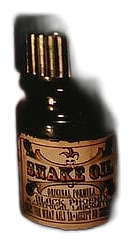
Wanda occupies a specific corner of indie perfumery with its leather-floral-wine composition. As an oil-based fragrance in an alcohol-forward market, it offers a different kind of presence. The 2004 launch places it in the house's early catalog. It's a fragrance for someone who treats scent as story.