
























































The Heritage
The Story of Black Phoenix Alchemy Lab
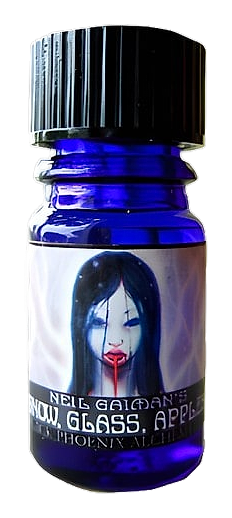
Black Phoenix Alchemy Lab (BPAL) emerged in 2002 as an independent house that blends mythic narrative with olfactory craft. Based in Philadelphia, the brand offers a catalog of perfume oils that range from the darkly poetic "Perversion" to the whimsical "Snow, Glass, Apple." Each scent arrives in a small, refillable vial, inviting collectors to explore a library of more than two thousand fragrances. BPAL’s reputation rests on its willingness to experiment with unconventional themes, from gothic literature to occult symbolism, while keeping production small enough to maintain a personal touch for each batch.
Heritage
The company was founded in 2002 by Elizabeth Moriarty Barrial and Brian Constantine, two enthusiasts who shared a love for storytelling and scent. Their first offerings appeared in modest quantities, sold through niche forums and early online marketplaces. By 2005 the brand had expanded its catalogue to include dozens of original compositions, many of which referenced literary and mythological sources. In 2007 BPAL partnered with author Neil Gaiman, releasing a limited series of oils inspired by his novels "Stardust," "The Graveyard Book," and "Coraline." This collaboration marked the first time an indie perfume house worked directly with a contemporary writer on a themed line. A decade later, in 2012, the brand celebrated its tenth anniversary with a retrospective collection that revisited early scents while introducing new variations. In 2020 the Edward Gorey House commissioned BPAL to create a fragrance honoring Gorey’s centennial, blending the illustrator’s macabre aesthetic with aromatic notes. Throughout its history the house has maintained a DIY ethos, handling formulation, bottling, and distribution in-house, which allows it to respond quickly to fan feedback and to experiment with niche ingredients. The brand’s longevity—over two decades of continuous operation—places it among the earliest surviving independent perfume houses in the United States, a fact noted by several fragrance community writers.
Craftsmanship
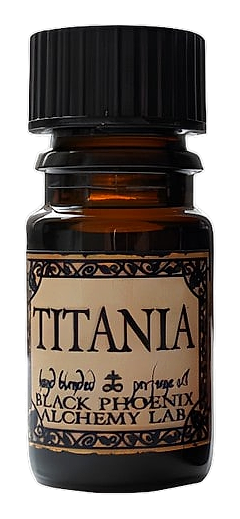
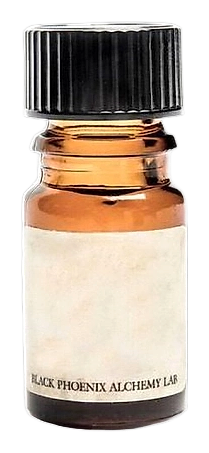
All BPAL fragrances are formulated as perfume oils rather than alcohol‑based eau de parfums, a choice that preserves the intensity of raw aromatic compounds. The house sources essential oils, absolutes, and aroma chemicals from a network of small‑scale producers in Europe, the United States, and Asia. Ingredients such as labdanum, sandalwood, and various resins are selected for their depth and longevity. Formulation takes place in a modest laboratory where the founders test blends by hand, adjusting ratios until the desired narrative effect emerges. Once a formula is finalized, the oil is mixed in glass containers to avoid plastic leaching, then filtered through fine mesh to remove particulates. Bottling occurs in 2 ml or 5 ml amber vials that feature a simple dropper, allowing precise application. Each batch is labeled by hand, with the scent name and a brief description of its inspiration. Quality control includes a short aging period, during which the oil settles and the scent stabilizes. The house does not employ large‑scale automation; instead, each step relies on the founders’ sensory judgment, ensuring that every vial reflects the original artistic intent. This hands‑on approach also enables rapid iteration, allowing BPAL to release limited editions that respond to seasonal or cultural moments.
Design Language
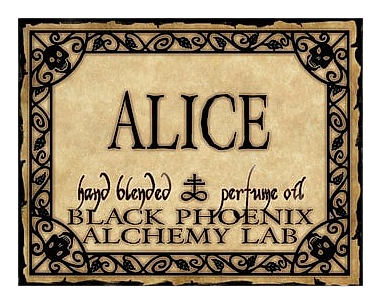
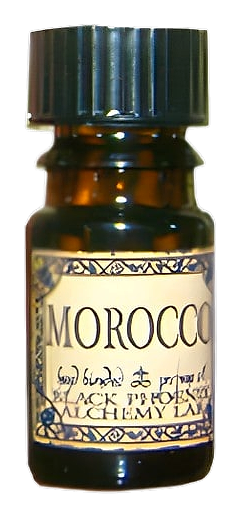
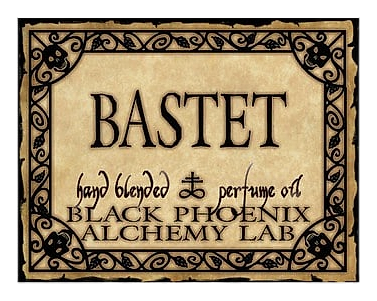
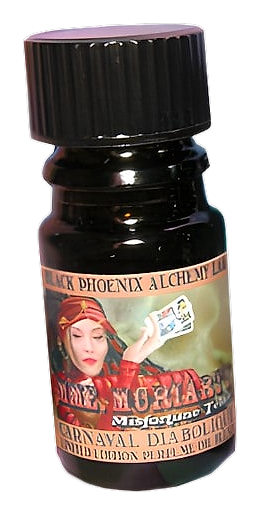
BPAL’s visual identity mirrors its literary and occult inspirations. Labels are printed on matte black cardstock, accented with silver foil lettering that spells out the scent’s title in a gothic typeface. The bottle itself is a clear amber vial, chosen for its ability to protect the oil from light while showcasing the deep hue of the fragrance. Packaging often includes a small card that offers a brief vignette or quote related to the scent’s theme, reinforcing the storytelling angle. The brand’s online presence continues this aesthetic, using dark backgrounds, hand‑drawn illustrations, and occasional references to alchemical symbols. Promotional photography frequently places the vials against aged parchment, candlelight, or vintage objects, creating a mood that feels both scholarly and mysterious. This consistent visual language helps collectors instantly recognize a BPAL product, even among a crowded field of indie perfume offerings.
Philosophy
BPAL treats scent as a narrative medium, encouraging wearers to imagine a story with each application. The founders have spoken about their desire to craft "olfactory alchemy" that transforms ordinary moments into scenes from a dark fairy tale. This narrative focus drives the selection of ingredients, which often reference mythic archetypes such as the phoenix, the serpent, or ancient deities. The brand emphasizes ethical sourcing, stating that raw materials are obtained from suppliers who meet cruelty‑free standards. Transparency is another pillar; BPAL publishes ingredient lists for most oils, allowing collectors to understand the composition of each blend. Community engagement also shapes the creative process: fan suggestions have inspired new releases, and the house frequently runs limited‑run experiments based on forum discussions. By positioning perfume as a personal, story‑driven experience, BPAL aims to foster a sense of ownership and curiosity among its audience.
Key Milestones
2002
Elizabeth Moriarty Barrial and Brian Constantine launch Black Phoenix Alchemy Lab in Philadelphia.
2005
The catalogue expands to include dozens of original perfume oils, establishing a niche following.
2007
Collaboration with author Neil Gaiman produces limited‑edition scents inspired by his novels.
2012
Ten ‑year anniversary retrospective collection released, featuring re‑imagined early scents.
2020
Edward Gorey House commissions BPAL to create a fragrance for Gorey’s centennial celebration.
At a Glance
Brand profile snapshot
Origin
United States
Founded
2002
Heritage
24
Years active
Collection
1
Fragrances released
Avg Rating
4.3
Community sentiment
Release Rhythm


