The Story
Why it exists.
The beginning
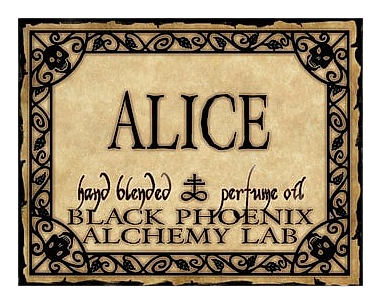
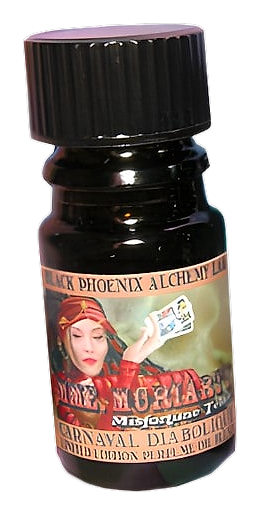
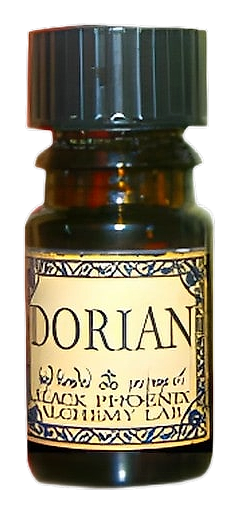
Dorian Gray. Oscar Wilde's ageless portrait. The face stays beautiful while the canvas rots. Refined, elegant, seemingly gentle, with a noble bearing hiding everything it has forbidden to itself. Elizabeth Moriarty Barrial created Dorian in 2005 for her beloved Tedwin, channeling that specific tension between polished beauty and hidden corruption. The official description doesn't flinch from it: beautiful and evil. That's the brief. That's the scent.
What makes Dorian unusual is its deceptive simplicity. Tea, florals, vanilla, individually unremarkable. Together, they become something else: a Victorian fougere built from materials you wouldn't expect. The dark sugared vanilla tea at its core is the tell. It shouldn't work as a base note, but it does. It shouldn't feel literary, but it absolutely does.
The evolution
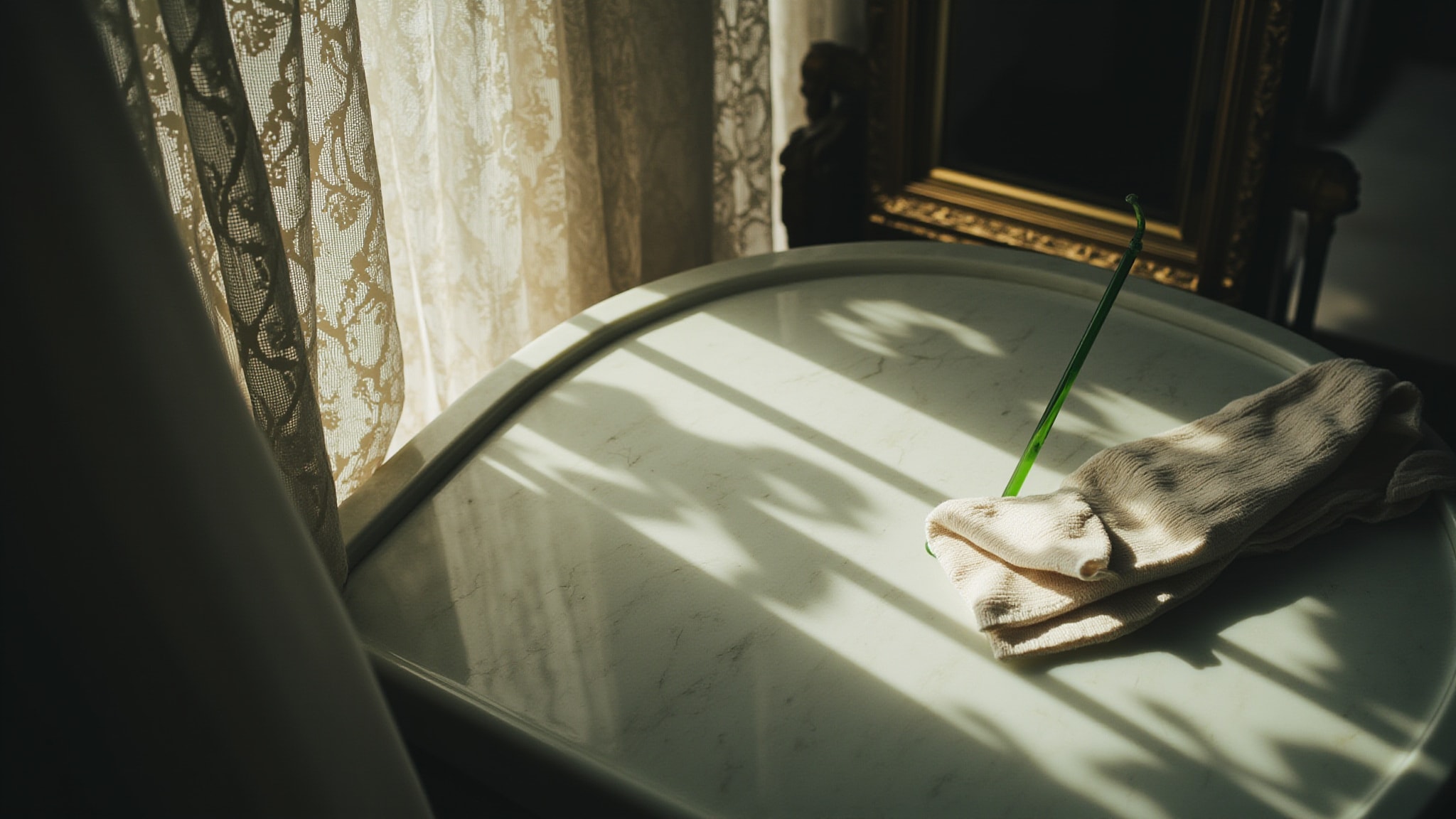
The opening is green and bright, tea's clean astringency followed by a citrus lift that feels like sunlight through lace curtains. Floral notes arrive quietly, not competing, just softening the edges. Then the heart arrives: creamy, warm, intimate. Three pale musks layer beneath the vanilla and tonka bean, and suddenly you're in close. Someone would have to lean in to notice. No one would blame them. The drydown belongs to the oakmoss. It takes over slowly, revealing the fougere beneath the sweetness. Slightly animalic. Quietly persistent. The kind of base that stays on skin long after you've stopped paying attention, and on fabric long after that.
Cultural impact
Dorian occupies a rare position in BPAL's catalog: it's one of their most approachable scents, frequently recommended to newcomers who find other BPAL offerings too challenging. The sugared vanilla tea note has made it a cult favorite among collectors who return to it year after year. It's the fragrance people mention when they want to explain what BPAL can do when it isn't trying to shock.