The Story
Why it exists.
The beginning
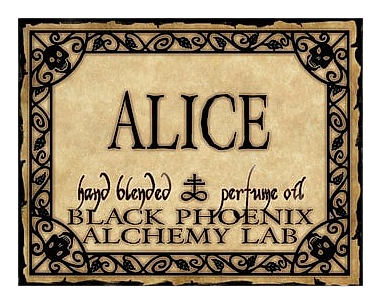
Alice arrived in 2004, part of the Dodgson Collection, BPAL's love letter to the rabbit hole itself. The name references Charles Lutwidge Dodgson, the Oxford mathematician who wrote under the pseudonym Lewis Carroll, which translates, via backronym, to Carolus Lutwidge: Lewis Carroll. That's the level of care BPAL brings to naming. Every title is a door. The official description borrows from the book's most famous phrase: "Curiouser and curiouser." But the brief was not nostalgia. Barrial wanted something that felt like following curiosity down a corridor, comfort that becomes strange. Milk and honey: the most innocent materials in perfumery. Rose and bergamot: soft, familiar, garden-adjacent. Then carnation. A dry spice with a bite. The ingredient that turns a lullaby into a riddle. Alice is what happens when sweetness refuses to stay innocent.
Milk and honey form the edible core, but carnation is what gives Alice its identity. In perfumery, carnation behaves unusually, it's simultaneously floral and spicy, with a clove-like warmth that can read as either comforting or medicinal depending on what surrounds it. Here, Barrial let the honey amplify the sweetness while using bergamot's citrus sharpness to prevent the whole thing from going flat. The result is a fragrance that smells edible without being foody, sweet without being childish. Rose is the quiet anchor. Not the transparent modern rose found in mainstream florals but something denser, with a honeyed depth that matches the base.
The evolution
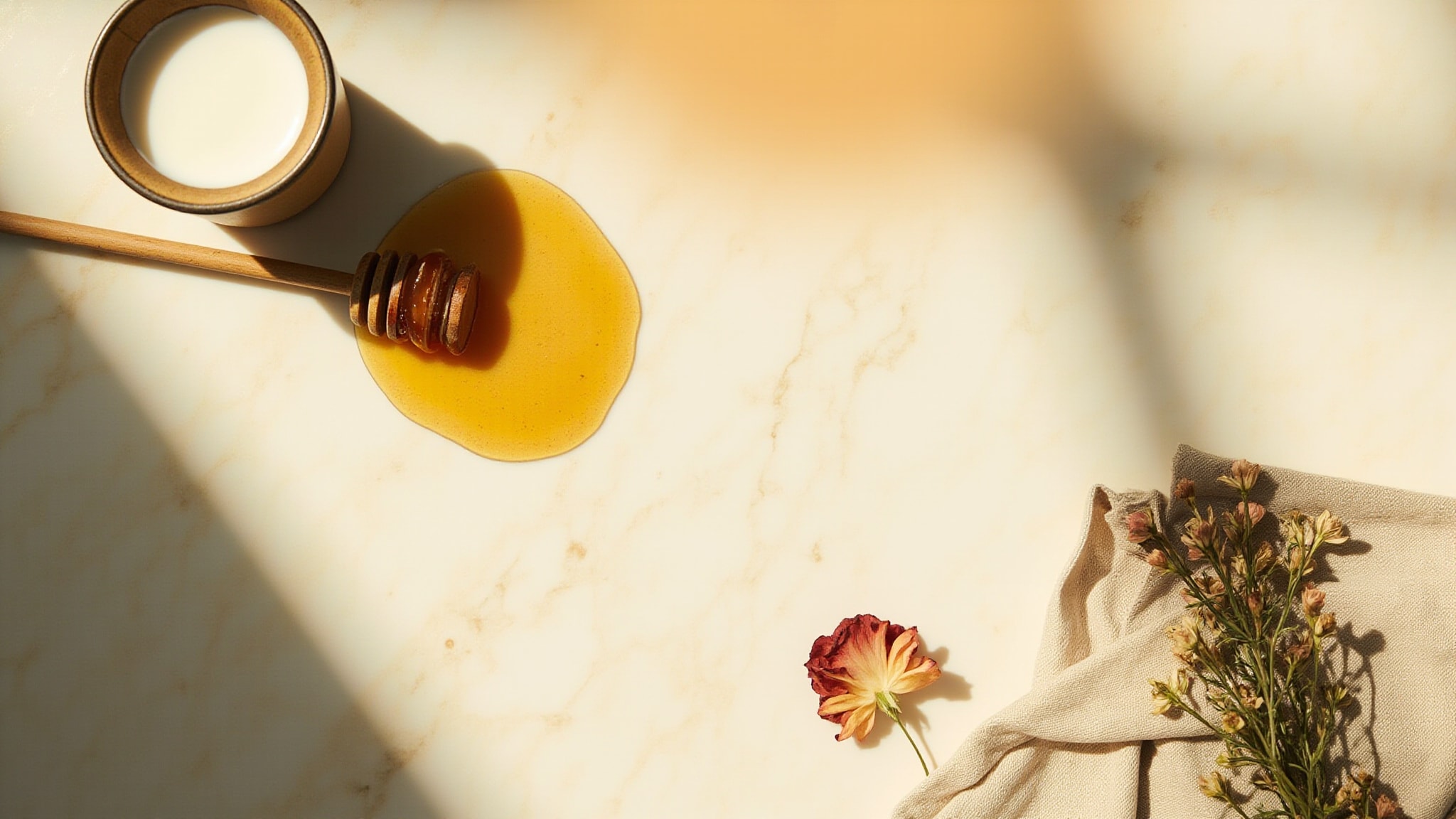
Bergamot opens Alice. Bright, cold citrus oil, a flash of green that reads almost herbal. It clears the air before anything else arrives. Then it retreats. Gone within minutes. The honey arrives first. Thick and golden, it doesn't so much open as coat. Warm syrup sitting on skin. Then the milk. Not cold milk, milk that's been sitting in a ceramic cup, slightly warm at the edges, sweet and soft. The rose appears almost immediately. Not the sharp green kind but the old damask rose, the kind that smells like potpourri in a grandmother's drawer. And beneath it all, carnation: a spice that doesn't announce itself. It hides in the sweetness. The honey and milk could swallow it entirely. They almost do. Almost. Within an hour, the composition shifts. The milk has settled into the skin, becoming less literal, more an impression of creaminess than the smell of milk itself. The rose has opened fully. The carnation is no longer hiding. It rises now, a dry spice that catches in the back of the throat, clove-adjacent but not quite clove.
Cultural impact
Alice occupies a specific corner of indie perfumery, the intersection of literary fandom and scent culture. As part of BPAL's Dodgson Collection, it's one of the fragrances that introduced literary readers to indie perfume oils, bridging communities that had never considered fragrance before. Two decades in, it remains active in the catalog, consistently referenced in discussions of BPAL's most wearable compositions. The longevity scores reflect a formula that has held up, what arrived in 2004 still performs the same way on skin.