
The Story
Why it exists.
The beginning
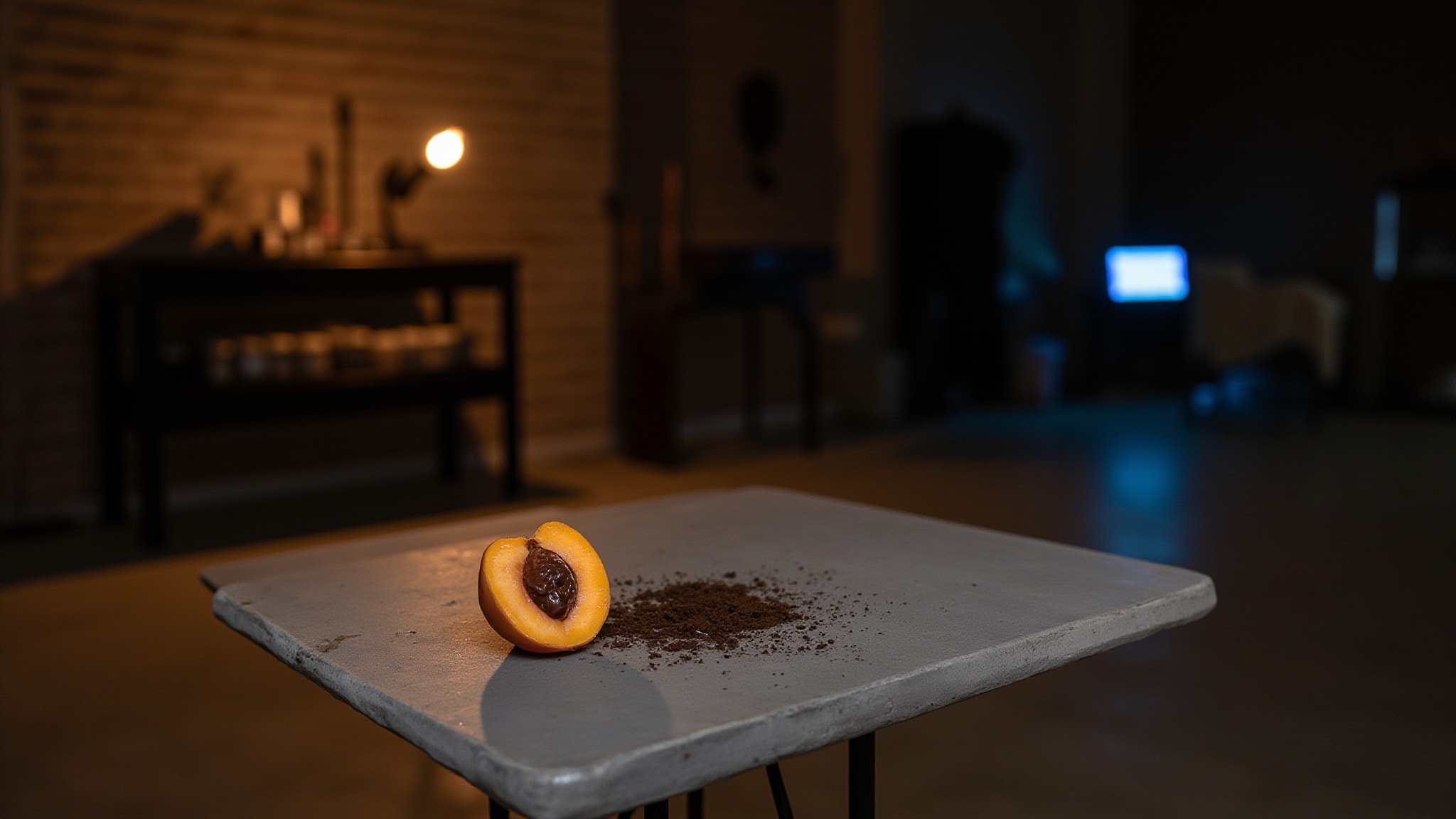
Depraved arrived in 2004 as part of Black Phoenix Alchemy Lab's Ars Amatoria collection. The fragrance opens with a burst of apricot that reads as almost overripe, the fruit's natural sugar amplified into something closer to jam than fresh orchard fruit. That sweetness sits against a dense layer of patchouli, the kind that drags the composition into shadow rather than letting it float. The two notes do not politely take turns; they press against each other from the first spray, and the friction between sticky fruit and earthy depth is what defines the wear. On skin, the apricot softens gradually into a warm, slightly bruised sweetness, while the patchouli underneath grows more resinous as the hours pass, picking up a faint leathery cast in the late drydown.
The apricot arrives wet and almost overripe, sticky enough to register as confectionery, then the patchouli underneath takes the sweetness somewhere it wasn't supposed to go. The tension between the two notes is the whole point. Neither dominates so much as they argue across the wear, and that argument is what gives the fragrance its unusual charge. In the opening hour, the fruit reads loudest, almost candied, with a syrupy pull that clings to fabric and skin alike.
The evolution
The apricot opens loud. Within minutes the wet fruit note starts sinking into the darker base, and the composition turns pulpy and bruised rather than sweet. Through the first hour the patchouli works its way up, earthy and cool, layering over the remaining fruit like soil over fallen stone. The middle hours settle into something quieter but no less insistent, a dark fruity-earthy blend that holds close to the skin rather than broadcasting. By hour four the apricot is mostly a memory and the patchouli has the floor. On a sweater the next morning, the fragrance reads as a faint, smoky sweetness, the ghost of fruit still tangled in the wool.
Cultural impact
Depraved has earned a following among wearers who want their fruit accords with a darker edge. The fragrance carves out a specific niche within BPAL's catalog, appealing to those who find conventional fruity compositions too polite or too sweet. Its appeal comes from the way it refuses to soften its patchouli into something more palatable, letting the earthy note stand at full strength beside the fruit. The fragrance has become a reference point for anyone drawn to patchouli-forward blends that wear their weight openly rather than hiding behind lighter top notes.
The House
Black Phoenix Alchemy LabBlack Phoenix Alchemy Lab (BPAL) emerged in 2002 as an independent house that blends mythic narrative with olfactory craft. Based in Philadelphia, the brand offers a catalog of perfume oils that range from the darkly poetic "Perversion" to the whimsical "Snow, Glass, Apple." Each scent arrives in a small, refillable vial, inviting collectors to explore a library of more than two thousand fragrances. BPAL’s reputation rests on its willingness to experiment with unconventional themes, from gothic literature to occult symbolism, while keeping production small enough to maintain a personal touch for each batch.
The Creator
Elizabeth Moriarty BarrialBarrial favors perfume oils applied directly to the skin—a format that allows for concentrated, intimate scent experiences. Her creations often feature rich, resinous bases layered with herbs, resins, and botanicals drawn from herbalism and aromatherapy traditions.