The Story
Why it exists.
The beginning
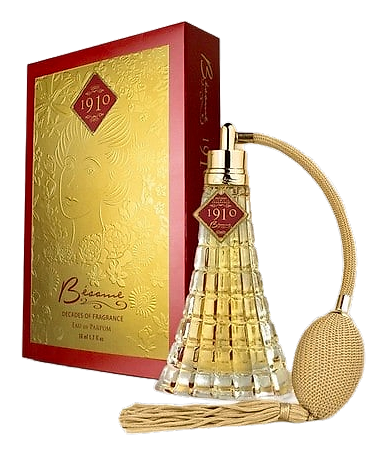
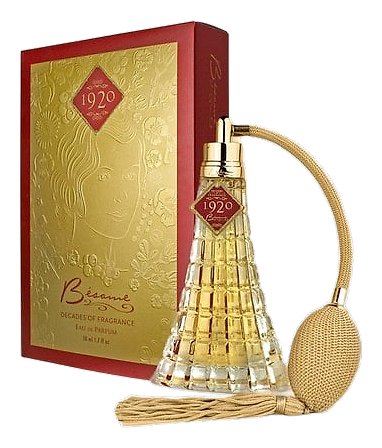
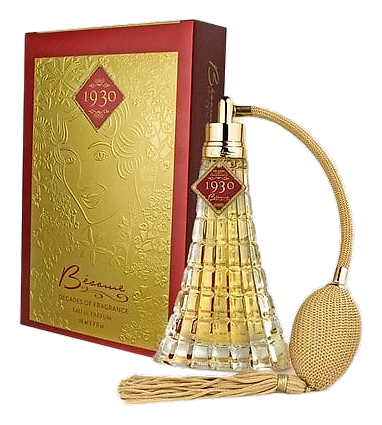
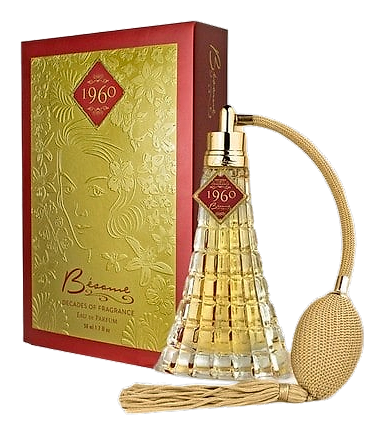
The 1960 Decades fragrance arrived in 2014 as part of Bésame's broader project to map scent history across decades. Rather than chasing contemporary trends, the brand approached each era as a distinct creative brief, asking what defined beauty in that particular moment. The 1960s represented a shift, the postwar formality of the 1950s beginning to crack, new personal freedoms emerging, and alongside them, a different relationship to glamour. Gabriela Hernandez drew from period beauty archives and primary sources to understand what women wanted from fragrance in that decade. The result is a chypre that knows what it is and doesn't apologize for it.
The 1960 fragrance answers the question with a floral chypre built on oakmoss and patchouli, the classic structure. What makes it noteworthy is the addition of oud and grapefruit. In 2014, oud hadn't yet become the ubiquitous material it is today, particularly in Western perfumery. Here it doesn't dominate; it adds a dry, resinous warmth that deepens the patchouli without sweetening it. The grapefruit top keeps everything from settling into nostalgia. The combination of artemisia, an herb rarely foregrounded in modern fragrance, with coriander and grapefruit gives the opening a bitterness that makes the floral heart earn its softness.
The evolution
The opening arrives fast. Grapefruit's citrus brightness hits within seconds, sharpened by coriander's green spice and artemisia's herbal edge, that last note being the tell, the thing that keeps the citrus from becoming just another morning fragrance. Within fifteen minutes, the florals take over. Jasmine and rose bloom in the heart, reseda providing a green undercurrent that makes the combination feel less obvious, less predictable. The hand-off from top to heart is graceful, no abrupt drop, just the citrus softening as the florals deepen. The base arrives around thirty minutes in. Patchouli anchors the drydown first, earthy and familiar, followed by oakmoss, the chypre structure's defining material, lending its mossy, forest-floor character. Oud lingers closest to the skin, adding warmth without sweetness. The drydown holds for several more hours, close and intimate, the kind of fragrance that someone standing near you might notice before you do.
Cultural impact
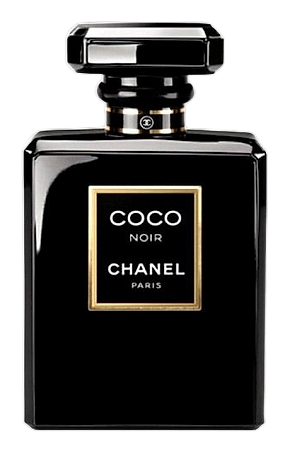
The 1960 fragrance occupies a specific space for wearers who want something with chypre architecture, real oakmoss, real patchouli, without the softness that modern reformulations often introduce. It shares DNA with Chanel Coco Noir, Chloe Nomade, and Tabu, though it sits in its own particular corner of that overlap. The addition of oud, used as a dry, resinous grounding material rather than a statement note, set it apart at launch. Wearers tend to describe it as vintage without feeling old, and the grapefruit opening keeps it feeling contemporary despite the classic structure.