Gabriela Hernandez
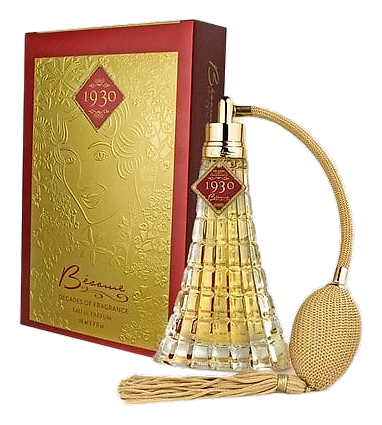
Gabriela Hernandez arrived in the United States from Buenos Aires as a young girl, carrying with her an obsession with eras past that would eventually define her career. Trained as a photographer and designer, she spent years running a design shop before her fascination with vintage beauty led her somewhere unexpected: into the world of cosmetics. In 2004, she founded Bésame Cosmetics in Glendale, California, a brand built on meticulous historical research and an unwavering commitment to recreating the glamour of another time. Her background as a cosmetic historian, combined with her work as an author of "Classic Beauty: The History of Makeup," gave her a rare depth of knowledge that most beauty founders lack. She approached fragrance not as a trend but as a time capsule, distilling specific historical moments into wearable form. Her creation 1930 stands as proof of this philosophy, capturing an era through scent with scholarly precision and genuine romance.
The hits
Notable creations
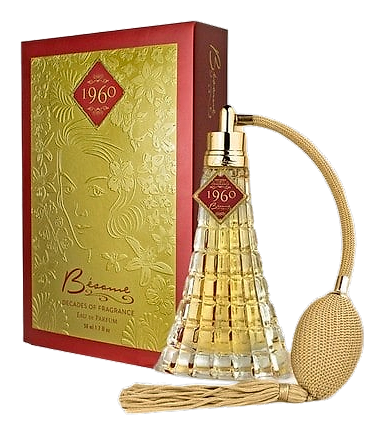
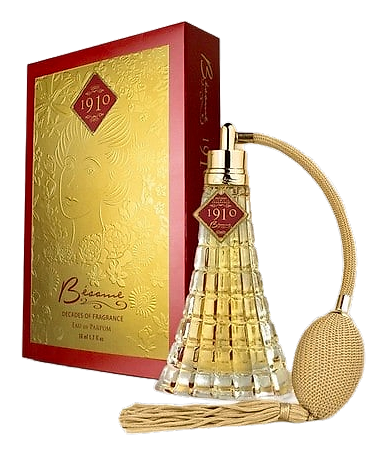
The signature
How Gabriela composes
Hernandez draws from the aesthetic vocabulary of early Hollywood, Art Deco elegance, and the muted glamour of Depression-era beauty. Her formulations often reference the soft, powdery florals and warm musks that dominated that period, with an emphasis on refinement over opulence. She favors ingredients with nostalgic resonance: iris root, rose absolute, and warm amber notes that speak to a particular kind of understated luxury. Her approach to fragrance composition is less about bold projection and more about intimacy, close-skin scent that reveals itself gradually to those who come near.
Philosophy
What drives Gabriela
For Hernandez, every product begins with a story. She immerses herself in primary sources: vintage advertisements, daguerreotypes, old films, and beauty manuals from the periods she studies. This detective work shapes not just the color or texture of a product but its very essence. She does not interpret history loosely; she reconstructs it. Her driving force is the belief that beauty should feel timeless rather than fashionable, that wearing a fragrance inspired by the 1930s should evoke the same emotional weight today as it did when first composed. History, in her hands, becomes intimate and immediate.
The houses