The Story
Why it exists.
The beginning
Bebe Love arrived in 2014 as a Valentine's Day limited edition, the brand leaning into its romantic concept without apology. The composition was identical to the 2013 Bebe Love, repackaged in a new bottle for the occasion. What makes this one interesting is the note structure itself: guava doesn't usually anchor a heart the way it does here. Bebe built the fragrance around that tropical sweetness rather than burying it, trusting the concept of love to carry the rest.
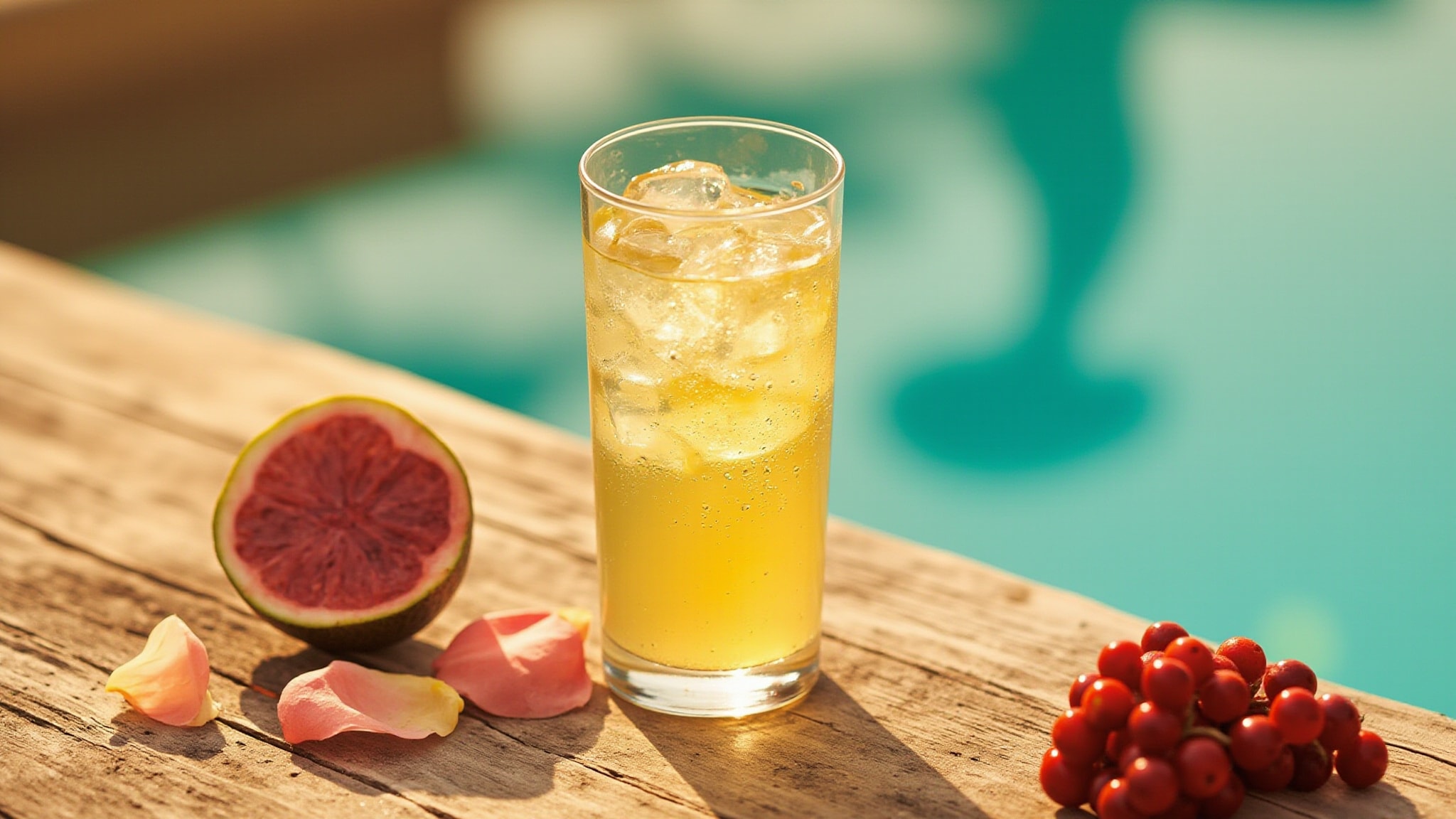
The note structure is the real story. Guava typically plays a supporting role in fruity-florals, it adds depth to a peach or raspberry, never leads. Here, it drives the heart alongside gardenia and cyclamen. That pairing creates an unexpected tension: tropical sweetness against creamy white florals, with an aquatic note running underneath. It's a more interesting composition than the usual Valentine's playbook of rose and vanilla. The cyclamen keeps the sweetness honest, preventing the whole thing from tipping into dessert territory.
The evolution
The opening hits bright and eager, red currant, pink freesia, a squeeze of Sicilian lemon. It feels a little breathless, like the moment before a first kiss. Within minutes, guava takes over as the dominant note. Tropical, sweet, a little wild. It stays there for the next few hours. Gardenia softens the edges, cyclamen adds an aquatic undertone. By the time it reaches the base, the scent has become intimate and close, white amber, woody notes, clean musk. The kind of softness that doesn't announce itself. It's the fragrance of someone who's already in the room.
Cultural impact
Bebe Love was a 2014 Valentine's limited edition, a romantic release in an accessible luxury tier. The guava-forward composition stands out in the love-themed category, where most fragrances rely on safer florals. It's the kind of scent that works as a mood-lift rather than a statement piece, appealing to someone who wants to smell sweet without smelling predictable.