The Story
Why it exists.
The beginning
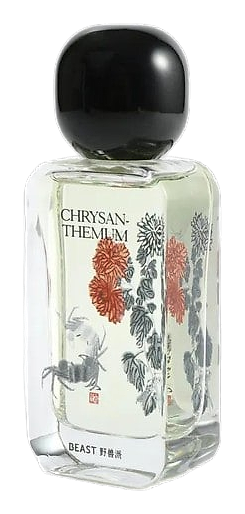
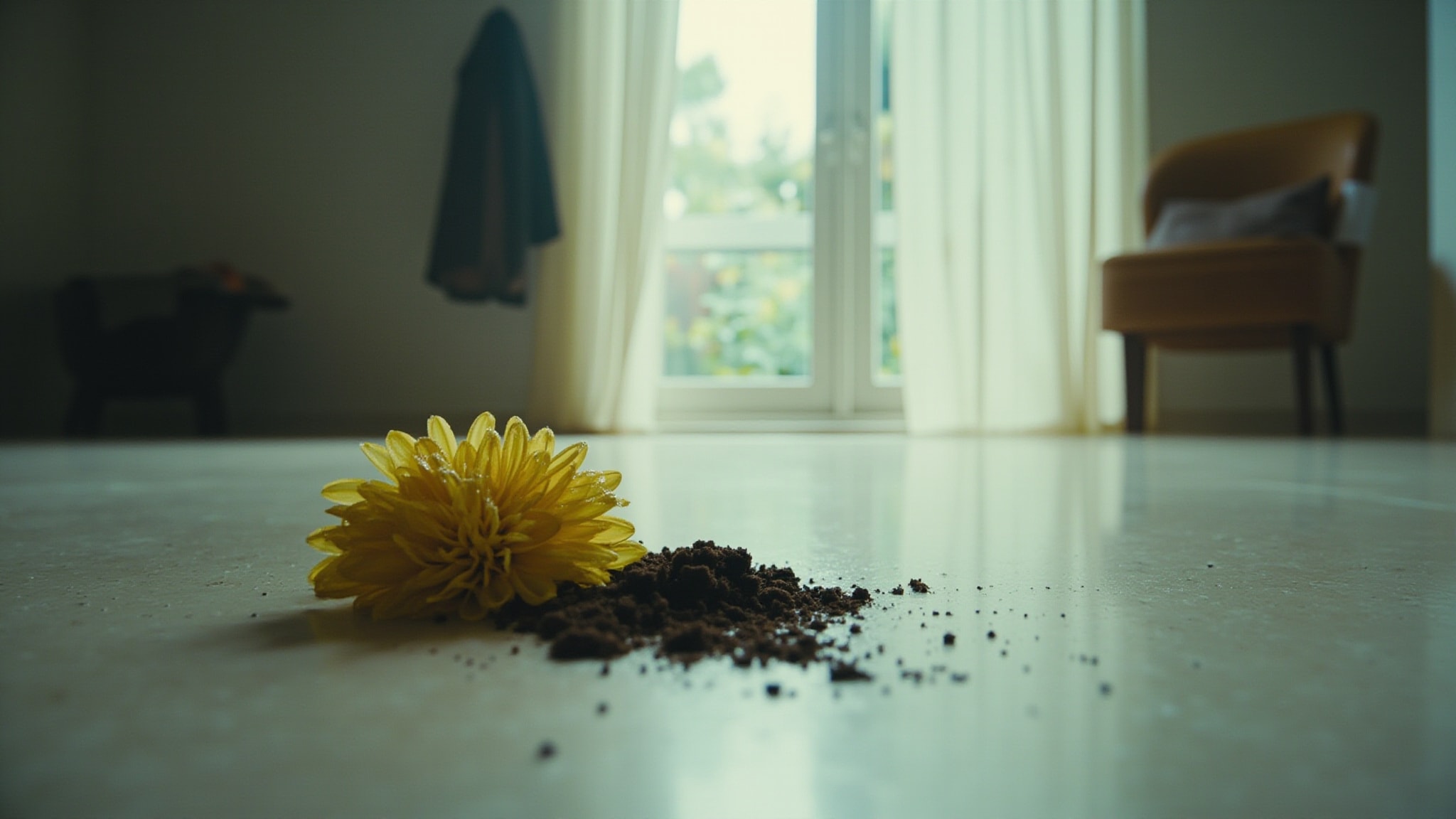
Chrysanthemum 采菊东篱 is built around a floral note treated with restraint, letting the flower read as a working ingredient rather than a sweet ideal. Galbanum, green notes, artemisia, and sage establish a cool herbal opening, sharp and leafy in character. The heart introduces chrysanthemum alongside marigold and pot marigold, adding a floral layer with a bitter, herbaceous quality rather than outright sweetness. Patchouli gives the composition its earthy weight, holding the structure together as the scent settles toward a darker, more grounded register. The result is a composition that keeps the chrysanthemum present but never domesticates it, pairing the flower's petals with green and herbal materials that change how it reads with each passing moment.
The composition works through contrast. Galbanum and green notes bring a sharp, leafy snap. Artemisia and sage add an aromatic, almost medicinal edge, keeping the floral center from becoming sugary. Chrysanthemum and marigold soften the structure with petals rather than perfume, creating a bitter, herbaceous middle. Patchouli then pulls everything downward, adding an earthy dimension that sits beneath the floral and green materials. As the scent develops, the opening brightness gives way gradually to the floral heart, and the patchouli layer becomes more apparent over time.
The evolution
The opening presents a cool, bitter-green impression built from galbanum, green notes, artemisia, and sage. These materials establish a dry, aromatic quality that sets the tone for everything that follows. The heart follows with chrysanthemum and marigold, bringing floral weight to the composition without tipping into lushness. As the scent settles, patchouli introduces a darker, earthy layer beneath the floral and herbal materials. The progression is less about sweetness appearing later and more about depth replacing brightness. Over time, the green and aromatic qualities soften while the floral notes become more pronounced, then the composition moves further into its earthy register. The overall effect is a shift from fresh and herbal toward floral and grounded, with each layer altering the way the others are perceived.
Cultural impact
Chrysanthemum 采菊东篱 connects the fragrance to a Chinese floral tradition through its central note, then interprets that material through a contemporary composition. Chrysanthemum is balanced against galbanum, green notes, artemisia, sage, marigold, pot marigold, and patchouli, so the flower is presented as part of a working structure rather than an isolated statement. The name pairs the English and Chinese titles, giving the scent an immediate identity in both languages.