
The Story
Why it exists.
The beginning
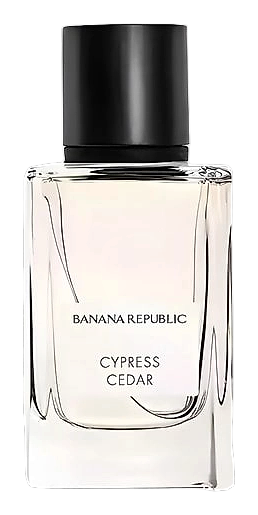
Cypress Cedar arrived in 2018 as part of Banana Republic's Icon collection, a line designed to anchor the brand's fragrance identity around a handful of signature accords. The brief was simple: take the woody-citrus template that works in high-end perfumery and build it cleanly, without overreach. Cypress as the named material wasn't accidental. It carries a specific Californian register, the smell of coastal forest, morning air through redwood groves, the kind of green that doesn't apologize for being green. The Icon collection positioned each fragrance as a standalone chapter rather than a seasonal release, which gave Cypress Cedar room to exist as something with its own gravity rather than a passing trend.
What makes the structure interesting is the rhubarb. It sits in the heart alongside cedar, adding a tart, almost green acidity that prevents the wood from reading flat or heavy. Most woody-citrus fragrances lean into bergamot and call it done. This one uses bitter orange in the opening, then lets mint and pink pepper carry the brightness into the heart, where cedar takes over. The rhubarb's tartness bridges the gap between the cool top and the warmer base without letting the composition feel like two separate fragrances stitched together. It's a structural choice that rewards attention.
The evolution
The mint fades first. That's the tell. Thirty minutes in, the cool sparkle is gone and what remains is the bitter orange, which hangs on a bit longer before it too recedes. Then you're in the cedar. Not soft cedar, the cypress note in the base adds a sharper, more resinous quality that reads almost like pencil shavings. That's the phase that defines this fragrance. The drydown arrives quietly: moss, vetiver, and patchouli settling close to skin, intimate rather than announced. The sillage drops to a whisper. This is a fragrance that lasts a full workday on most skin types, then stays close through the evening.
Cultural impact
Cypress Cedar occupies a specific and underserved corner of the market: the person who wants a woody-citrus fragrance with real structure but isn't willing to pay designer prices. The value-for-money rating in community data reflects a real appetite for this kind of accessible quality. It's not trying to rival the category's flagship names, it's simply offering the same idea cleanly, without excess, at a price that doesn't require justification.