The Story
Why it exists.
The beginning
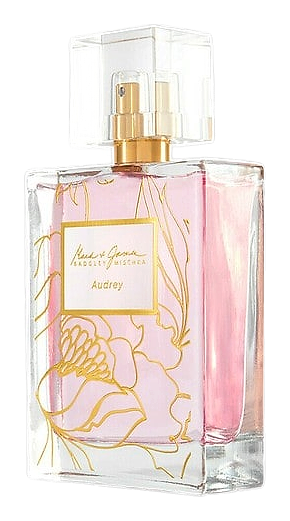
Audrey arrived as part of a trio alongside Ava and Poppy, a feminine collection with three distinct personalities. The perfume extends the fashion house's presence into scent, and Audrey takes a particularly confident place within the line. It's a composition built for the woman who wants to be remembered without trying hard, the fragrance equivalent of slipping into a gown that fits like it was sewn onto you, no fuss, no noise, just presence. The opening is a bright burst of mandarin and neroli, lifted by a whisper of pink pepper that gives the first few minutes a sparkling, almost effervescent quality.
The choice of immortelle in the heart is one of the more interesting decisions in Audrey's construction. Immortelle, sometimes called the everlasting flower, brings a maple-curry warmth that rounds out tuberose's headier edges, preventing the composition from tipping into territory that overwhelms. Osmanthus adds a leathery apricot facet that bridges the fruity top and the powdery base, creating continuity rather than contrast.
The evolution
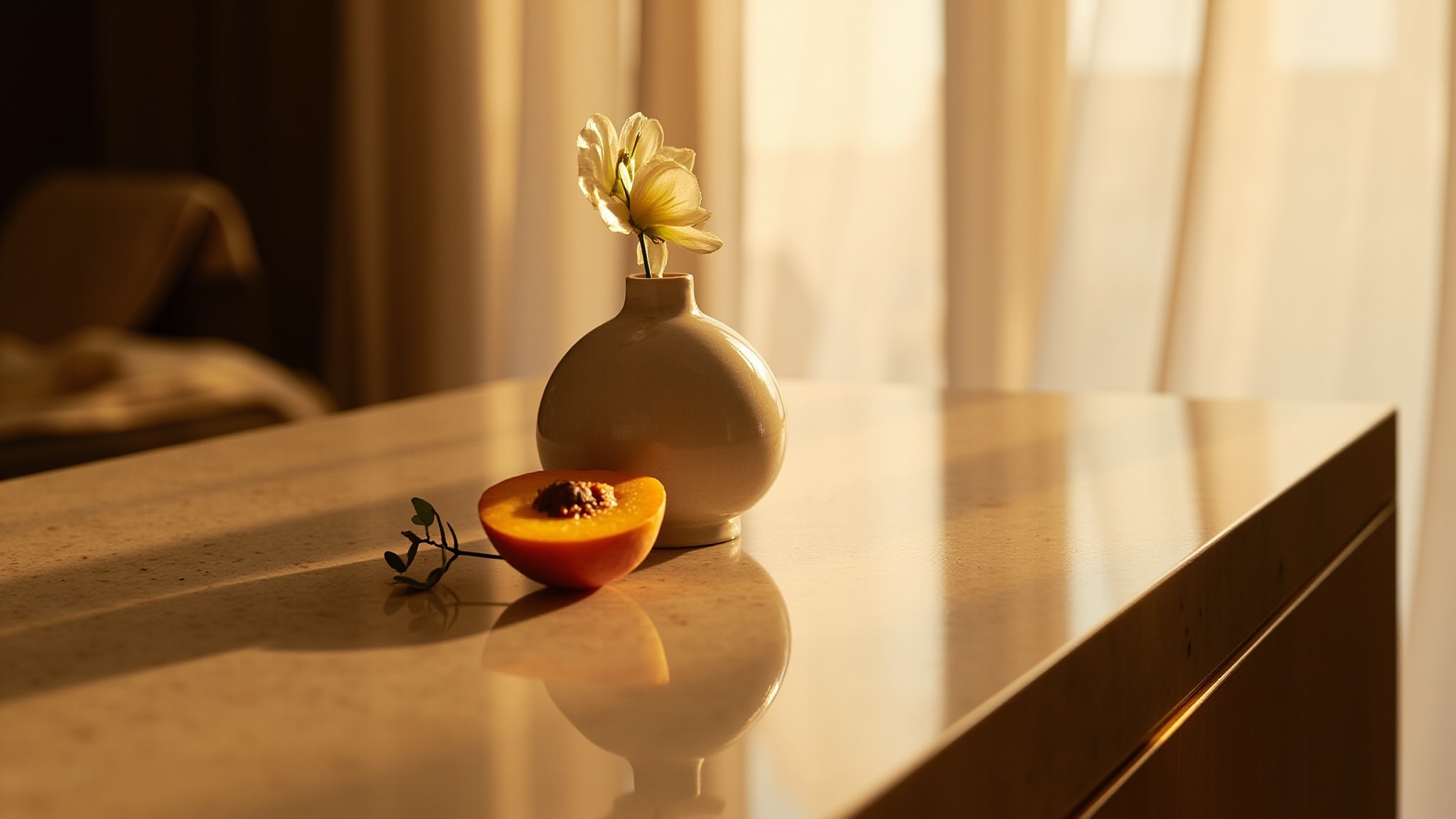
The first thirty minutes are a love letter to spring. Honeysuckle winds through bright bergamot, and that apricot note arrives fleshy and ripe, almost edible. It reads as outdoor warmth, a terrace at golden hour, a table with cold wine. Then the shift happens. Tuberose blooms in the heart, but it's not the nightclub tuberose some people fear. Immortelle softens it with something almost caramelized, a sweetness that feels like memory rather than sugar. Osmanthus threads in with its apricot-leather whisper, and the whole composition gets warmer, more skin-like. By the third hour, the florals have receded and iris takes the wheel. This is where Audrey becomes its final self, cool, powdery, slightly suede-textured. The musk underneath keeps it alive and close. On fabric the next morning, you get a ghost of cedar and that warm immortelle-maple trace, a quiet reminder that something pretty was there.
Cultural impact
Audrey fits into a broader conversation about white florals that respect the genre's complexity without performing it. The composition treats tuberose as a material worth taking seriously, building around it with supporting notes that enhance rather than mask. There's a quiet confidence in the construction, an assumption that the wearer doesn't need to be told what to smell or how to feel about it. The fashion-house context adds another layer: this is a fragrance that arrives with a certain visual and aesthetic vocabulary already attached, one that suggests dressing up, occasion, intentionality.