The Story
Why it exists.
The beginning
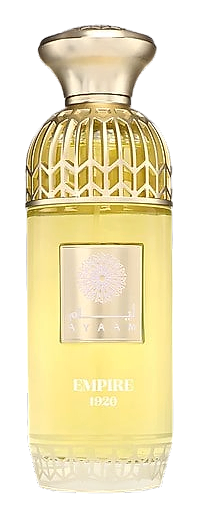
Empire 1920 is defined by its composition: basil, cardamom, green mandarin orange, white musk, cedarwood, and ebony. The scent opens with a vivid blend of green herbs and clean citrus peel, with basil providing a crisp herbal snap and green mandarin orange adding brightness. Cardamom introduces a dry, aromatic spice that gives the opening a measured warmth. As these notes settle, white musk creates a smooth, clean center. Cedarwood and ebony then shape the composition with structure, depth, and a faintly dry edge. The result is deliberately balanced, pairing aromatic freshness with warm woody depth. It doesn't need a celebrity name or a complicated backstory to create its effect. The note structure tells the story plainly. A bright opening catches attention. Spiced aromatics add rhythm.
What makes Empire 1920 worth exploring is the neat handoff between contrasting materials. Basil and green mandarin orange bring leafy, citrusy brightness. Cardamom adds aromatic spice without turning the opening heavy. White musk then smooths those sharper edges into a clean, wearable middle. Cedarwood and ebony provide the final shift, replacing visible citrus with a darker, grounded finish. Nothing here needs embellishment. The unusual balance is also its point: a composition that can read citrusy, aromatic, musky, and woody while still moving as one coherent scent.
The evolution
The opening arrives with brisk purpose. Basil gives it a green, herbal snap, while green mandarin orange adds the clean scent of citrus peel. Cardamom warms that brightness with a dry aromatic flutter. Soon, the composition settles into white musk, and the initial sharpness rounds out. It feels smoother here, almost polished, without becoming overtly sweet. Basil and citrus gradually recede, making room for the softer texture of musk and the warm, structured character of the woods. Cardamom can linger as a light spice in the background, adding complexity without taking over. What follows is a clear handoff to cedarwood and ebony. Cedarwood supplies a dry, woody structure, while ebony adds depth and a faintly inked edge. Together, they create a darker finish that remains clean and composed rather than dense. The evolution moves from fresh and aromatic to smooth, woody, and quietly dry.
Cultural impact
Empire 1920 uses the language of historical years to invite reflection on the atmosphere surrounding a fragrance. Its composition brings together familiar aromatic contrasts: basil and green mandarin orange provide fresh energy, cardamom adds dry spice, and white musk softens the transition into cedarwood and ebony. The citrus, spice, musk, and dark woods form a balanced profile that can be appreciated through the changing stages of its wear. Rather than relying on a narrowly defined style, the fragrance invites attention through scent itself, beginning with brightness before settling into a composed woody character.