


Heritage
A house, in its own words
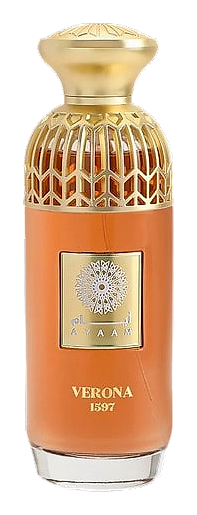
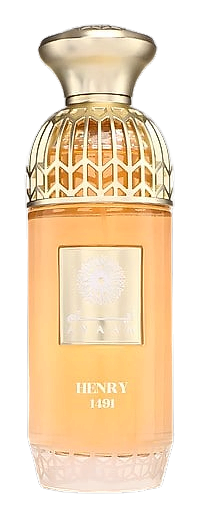
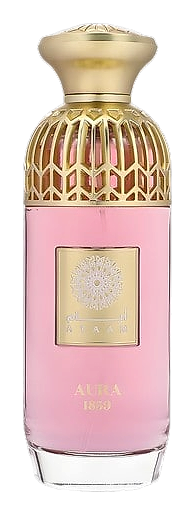
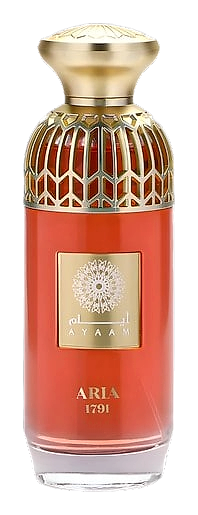
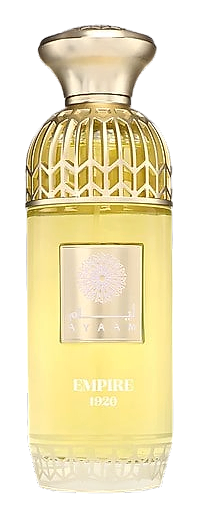
AYAAM’s history begins in Kuwait, where the brand is described as the first Kuwaiti fragrance house, and its early development is reported to date to 1983. One account attributes the founding to Sultan Qaboos bin Said, Hamad bin Hamoud Abu Said and members of the Omani royal family, although this origin story appears primarily in brand-associated material and has not been independently substantiated in the sources reviewed here. The company later established roots in Saudi Arabia and the United Arab Emirates before arriving in Qatar, where the brand has promoted its fragrances through retail activity and a 366-fragrance concept. Its name and many of its releases draw on a catalogue of historical years, allowing the house to connect fragrance with remembered moments rather than presenting its range as a single undifferentiated collection. Recent additions include Taj 1653 and Verona 1593, released in 2023, alongside Henry 1491, Aria 1791 and La Peregina 2011 from 2022, and Empire 1920 from 2021. The 2023 releases Aura 1859 and Grace 1956 continue that historical naming approach. AYAAM’s timeline therefore combines an asserted Omani foundation, a documented Kuwaiti base, regional expansion and a growing portfolio of year-themed fragrances. AYAAM presents scent as a means of preserving a day, a memory or an echo of the past. That idea is visible in its naming system, in which fragrances carry meaningful years such as 1653, 1791, 1859, 1920, 1956 and 2011. Rather than framing perfumery as a purely seasonal pursuit, the house uses historical references to create an emotional link between wearer, place and memory. Its catalogue also appears to be organized around the idea of a fragrance for every day of the year, expressed through the reported concept of 366 scents, one for each day, or for the extra day in a leap year. The company has carried this approach from traditional perfume into home fragrance. Its home-scenting project was developed over more than a year and a half of research and development, with the stated aim of improving the user experience of home perfumes. While much of the house’s public language is poetic, its central creative position remains specific: fragrance should evoke a defined historical moment, remain present throughout the day, and translate equally well from personal scent to the atmosphere of a room.