The Story
Why it exists.
The beginning
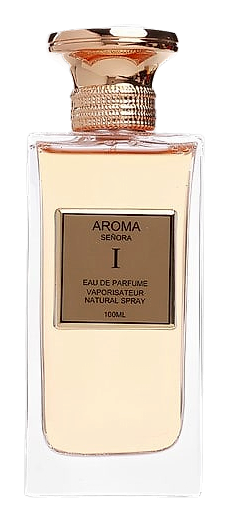
Aroma Senora I arrived in 2021 from the workbench of M.H Gerashi, and the name reads like a first chapter on purpose. Senora, the Spanish honorific, the one that lands harder than Madame and warmer than Miss, sets the tone before a single note opens. The collection title, Aroma, is the quiet half; Senora is the loud half. Together they're a thesis statement. Gerashi built this as a white floral with backbone. Tuberose and narcissus share the heart, which is a pairing that tends to veer either narcotic or sharp depending on what surrounds them. Here the choice was warmth around the edges: osmanthus softening the front, rose threading through the middle, and a cedar-amber drydown that refuses to let the composition collapse into sweetness.
What makes this composition worth your attention is the way Indian tuberose carries the center while narcissus does the actual lifting. Narcissus brings a green, almost metallic thread that keeps the tuberose from tipping into the dessert-like territory it often visits. Without it, the heart would be a creamy blancmange. With it, the heart is alive. There's a conversation happening between those two notes that goes on longer than most heart accords manage, and the reason it sustains is that neither one is doing the same job. Tuberose is providing the body, the volume, the room-filling density.
The evolution
The first thirty minutes are a controlled collision. Osmanthus opens with that apricot-skin warmth, jasmine sharpens the air above it, and May Rose threads between them with a dewy softness that keeps the brightness from becoming clinical. There's fruit here, but it reads as fruit on warm wood, not fruit in a bowl. Then the heart takes over. Indian tuberose arrives with its full creamy weight, the kind that fills a space, but narcissus pulls against it immediately, green, a touch soapy, almost metallic. The two argue politely for the next hour or two. The narcissus prevents the tuberose from sinking; the tuberose prevents the narcissus from feeling austere. It's a good argument. The way that argument resolves is one of the more interesting things about the composition. Neither note wins, exactly.
Cultural impact
Aroma Senora I sits in the bold-floral lane without competing for the same shelf space as the legacy compositions that have owned that territory for decades. It reads as a confident, self-assured entry for someone who already knows what they want from a white floral and wants that weight delivered with a different kind of handwriting. The tuberose-narcissus heart is the giveaway: this is a composition that respects the genre enough to take it seriously. The osmanthus opening is the other tell.