The Story
Why it exists.
The beginning
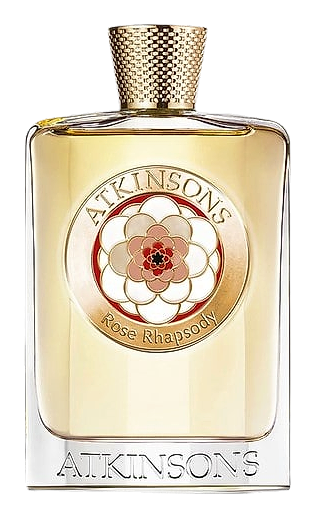
Soizic Beaucourt designed Rose Rhapsody for Atkinsons in 2019. The brief: Turkish rose, but not the polite kind. The perfumer reached for oud, leather, and benzoin to anchor it. To give the rose weight it couldn't find in other materials. The result is a fragrance that wears its femininity and its darkness equally. No contradiction. Just completeness.
Turkish rose otto is one of the costliest materials in perfumery. A kilogram requires roughly a million hand-picked petals. In Rose Rhapsody, it doesn't appear alone. Patchouli's earthy, slightly fermented quality keeps it grounded. The oud acts as a dark counterpoint. Benzoin brings warmth without sweetness overload. These materials don't compete. They support the rose without domesticating it. The leather note is subtle but present in the base, adding texture rather than aggression.
The evolution
First hour: bright. Bergamot, mandarin, pink pepper. The citrus spark gives way to something deeper. Second hour: rose dominates, but patchouli's earthiness prevents it from floating away. By hour three, the oud and leather arrive. They don't crash the composition. They settle underneath it. Six to eight hours in, the benzoin takes over. Warm, resinous, faintly sweet. The powdery animalic quality lingers close to skin.
Cultural impact
Rose Rhapsody sits in an interesting position. It's not a safe floral. It's not a mass-appeal rose. The oud and leather elements make it lean toward the dark-floral category, but the benzoin keeps it warm. Wearers describe it as a rose that knows what it wants. The fragrance has found an audience among people who appreciate oriental florals but want something with more character than the typical jasmine-rose composition.