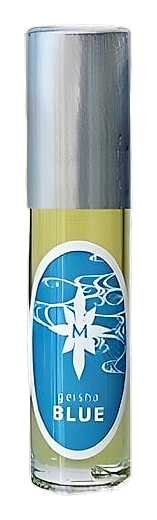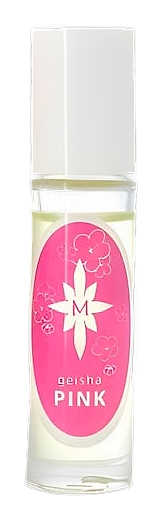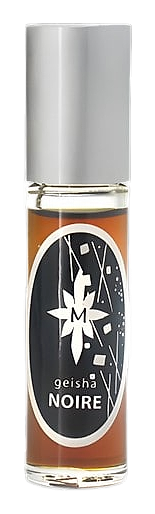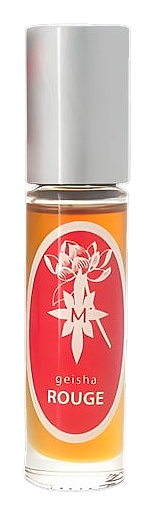
The Story
Why it exists.
The beginning
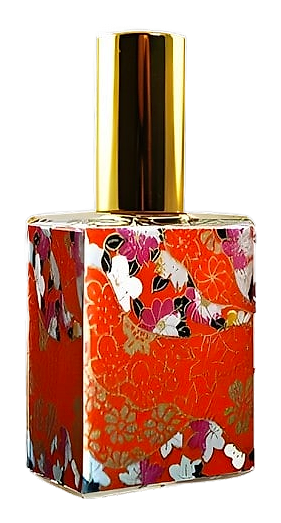
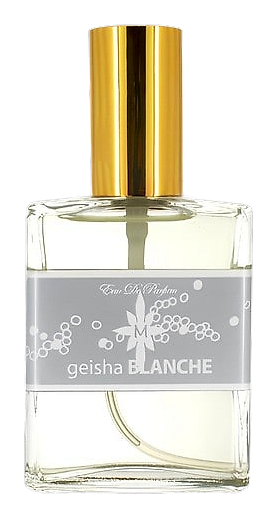
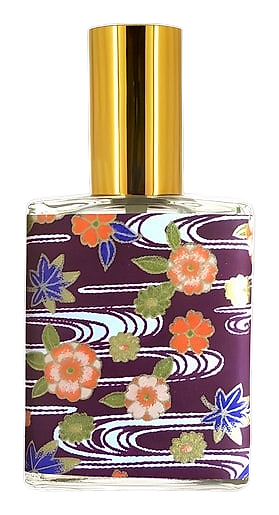
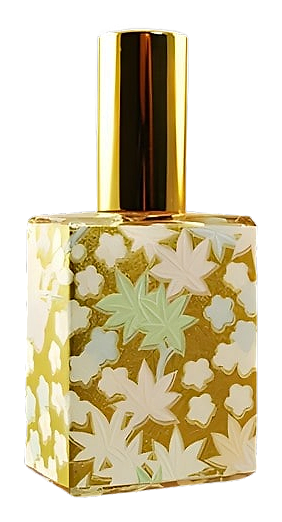
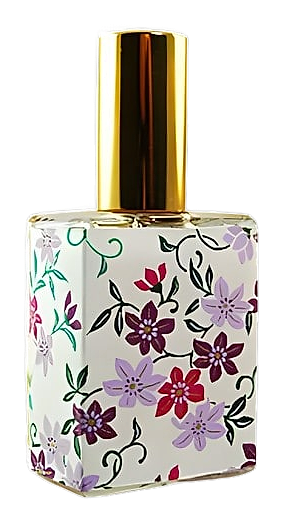
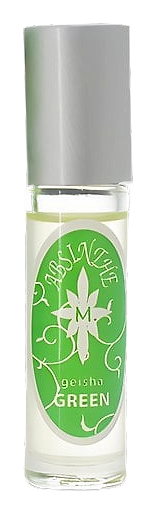
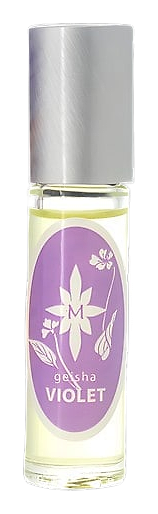
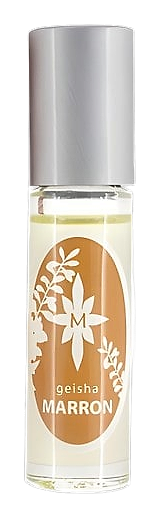
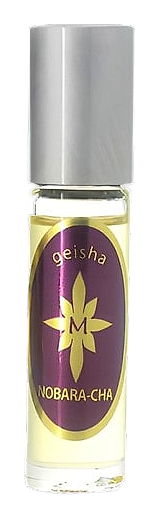
Nobara-Cha arrived in 1998, an early composition from Aroma M's Geisha Collection, landing as a roll-on perfume oil in a small, no-spill flacon that suited its quiet register. The format itself matters here: an oil carries differently, sits closer to the skin, and reveals itself only to proximity. McElroy built the line drawing on Japanese cultural reference points, and Nobara-Cha sits squarely in that territory, a composition that takes a familiar material and reframes it through a Japanese-inflected sensibility. The name signals the intention: nobara, the wild rose, and cha, tea, together suggesting something closer to a moment of stillness than a flourish of bloom.
The discipline of this composition is what it chooses to leave out. Rose is the most overworked material in fragrance, used so widely that it risks becoming wallpaper. McElroy constrains it to a triangle of sandalwood and amber, which strips away every floral cliché. There is no jasmine shouting over the rose, no fruit nudging it forward, no vanilla sweetening it into submission. Just rose, sandalwood, amber, and the spaces between them.
The evolution
On skin, Nobara-Cha doesn't so much change as deepen. The opening reads as rose at its most distilled: not the dewy, just-cut version, but rose with dust on its petals, slightly dried, slightly faded, the kind that had a life before you got to it. Sandalwood enters not as a base note in the traditional sense but as a supporting structure, creamy and dense, holding the rose up the way good architecture holds a statue. Amber arrives slowly, warming the composition from underneath without ever turning sweet or resinous. What surprises is the longevity in oil form; the scent stays close to skin for the full day rather than projecting outward. As the hours pass, the rose mellows into something almost abstract, just a warm, woody floral presence that registers more as feeling than as fragrance.
Cultural impact
Nobara-Cha occupies an unusual position in the brand's catalog because of its narrow palette and its composure. Three notes, rose, sandalwood, and amber, carry an entire composition, which is unusual for a fragrance that doesn't lean on exotic materials or rare absolutes. What makes it compelling is the restraint: nothing announces itself, nothing competes for attention, and the whole effect depends on how those three materials interact with each other.
The House
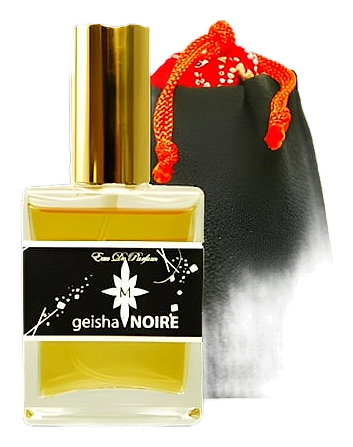
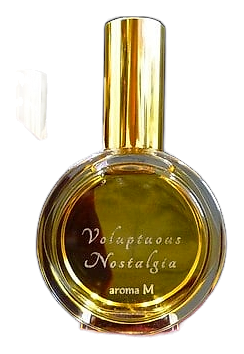
Aroma MAroma M is a New York-based niche fragrance house founded in 1995 by Maria McElroy, an artist and certified aromatherapist whose work bridges Eastern and Western scent traditions. The brand gained recognition through its signature Geisha Collection, which draws on McElroy's studies of Japanese culture and traditional geisha aesthetics. Aroma M produces both perfume oils and eau de parfum formats, with the roll-on oil versions becoming particularly beloved among collectors. The house operates from Brooklyn and has maintained its artisanal character across nearly three decades of operation. Notable releases include Geisha Noire (2007), Geisha Rouge (2011), Camellia (2014), and Geisha Botan (2018), each exploring distinct facets of floral and woody materials. McElroy's dual background in fine art and aromatherapy informs an approach to fragrance that treats scent as a sensory art form rather than purely commercial product.
The Creator
Maria McElroyMcElroy favors a refined minimalism grounded in Eastern tradition. She gravitates toward green tea, woods, resins, and the smoky, meditative qualities of Kodo ingredients.