The Story
Why it exists.
The beginning
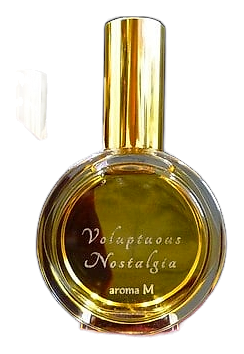
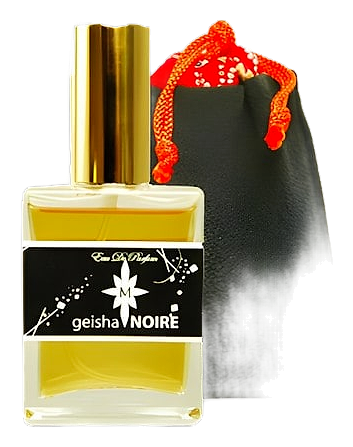
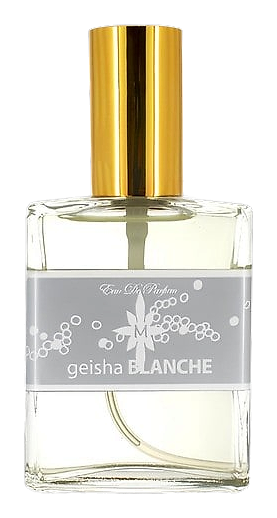
Maria McElroy designed Geisha Hana-Cha in 1998 as part of the Geisha Collection, building on the ritualized approach to fragrance that defines Aroma M. The name says it all: Hana-Cha is flower tea, liquid poetry in a bottle. McElroy conceived each scent in the collection as an act of application, scent as meditative practice, not performance. This one focuses your thoughts, banishes worry, invites presence. The jasmine-forward composition captures that intent: something you return to, not just spray and leave.
The jasmine here is not the jasmine of commercial perfumery. It's the real thing, indolic, dusky, flat in its intensity, with a plasticky rubber quality that natural jasmine oil carries and synthetics typically erase. Ylang-ylang doesn't soften it; it amplifies the earthiness, the custard warmth. Cedar grounds everything in wood. Together, these materials create a white floral that feels neither safe nor polite. If you've been searching for an honest jasmine soliflore, this is closer than most.
The evolution
The opening arrives bright and milky, bergamot's citrus spark, softened by something almost green and creamy. Green tea, perhaps, though it never announces itself. Give it an hour. The jasmine takes over, and it doesn't ask permission. Indolic, inky, nocturnal, the flat quality of real jasmine absolute, not the sunny abstraction of synthetics. Ylang-ylang piles in, adding its earthy custard weight until the whole heart feels warm and slightly animal. This is the phase that divides people. Either the rubber-plastic note hooks you or it doesn't. Cedar arrives as the florals start to exhaust themselves, bringing the composition down to earth. The drydown is intimate, woody, close. Six to eight hours, though the jasmine's darker character fades last, leaving a trace, a memory of something that wasn't trying to please.
Cultural impact
Hana-Cha occupies a specific corner of indie perfumery, the jasmine soliflore for people who've moved past synthetic florals and want the real thing, indole and all. It's not for everyone, and it never pretended to be. What makes it endure is that refusal to compromise, the 1998 formulation chose honesty over mass appeal, and a certain kind of wearer has been grateful ever since.