The Story
Why it exists.
The beginning
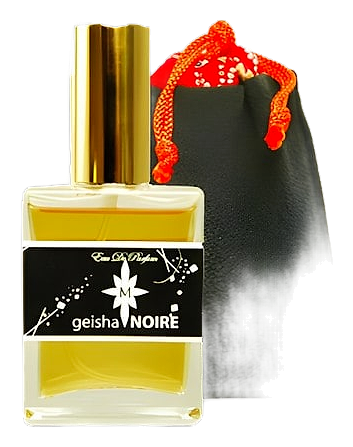
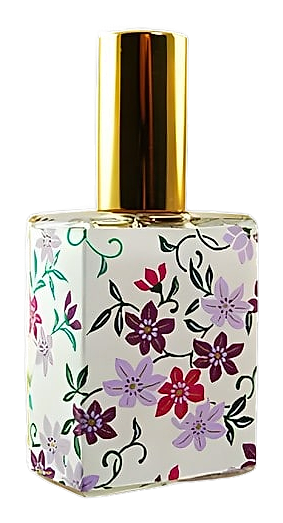
Nobara-Cha arrived in 1995 as part of the Geisha Collection, a line built on the idea that scent is inseparable from presentation. The name references the Japanese practice of ritualized self-presentation, the geisha as a figure who understands that how you smell is part of who you are. McElroy, a certified aromatherapist, designed this fragrance with the subtlety of Japanese incense in mind: present but never intrusive. Nobara-Cha specifically explores what happens when the deeply personal traditions of Arabian attar, dusty woods, concentrated rose, and amber meet the restraint of Eastern cosmetic philosophy. It's a bridge, but one that doesn't announce itself.
The composition draws on the Arabian attar formula of dusty sandalwood and rose, but McElroy's aromatherapy background shifts the balance. Wild rose here isn't the bright absolute of modern Western perfumery, it's darker, earthier, closer to attar. Geranium adds a minty-green counterpoint that prevents the rose from ever getting precious. Sandalwood anchors the whole thing with its creamy-woody warmth, while amber provides the quiet finish. The result is a fragrance that smells ancient and modern simultaneously, like something discovered in a market and brought home to a minimalist space.
The evolution
It opens with immediate dusty-wood character, the kind of sandalwood that reminds you of old wooden furniture, not fresh shavings. The rose doesn't bloom so much as exhale, a dark dried-petal quality rather than fresh cut. Geranium makes its entrance with a minty piquancy that catches you off guard, drawing the attention downward into the spice. The clove-like warmth threads through the leafy green, creating a sensation that's simultaneously cool and hot. The sandalwood takes over as protagonist, creamy and warm, with only ghost-traces of rose and a lingering spice that stays close to the skin. The drydown is intimate and woody, lingering near the skin.
Cultural impact
Nobara-Cha sits at the intersection of Arabian attar traditions and Japanese geisha aesthetics. The composition's dusty-woody character and its geranium-driven spice have aged distinctly, neither trendy nor dated, simply specific. Those who seek it tend to be people who found rose disappointing in mainstream perfumery and went looking for something earthier, more rooted in ancient tradition.