The Story
Why it exists.
The beginning
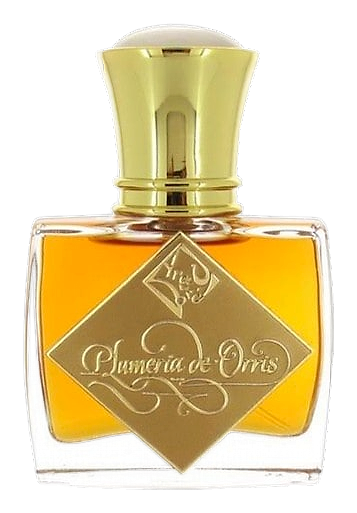
Russian Adam called this one a dedication. Plumeria, frangipani, the most gorgeous Asian flower. Orris root, one of perfumery's most precious materials, powdery, violet-sweet. What emerged is less a fragrance than a dialogue between continents, the temple flower meeting the perfumer's precious root. The tropical creaminess of frangipani unfolds first, lush and sun-warmed, while the cool powdered elegance of orris emerges as a counterpoint, lending structure and depth. The interplay between these two notes creates something unexpected yet harmonious. The name says it plainly. Plumeria de Orris. No metaphor, no mystery. Just the two ingredients that anchor everything else.
The apricot note is the hinge. It bridges frangipani's creamy sweetness and orrisroot's powdery cool, a fruity lift that keeps the florals from reading heavy or static. Without it, the composition might have tipped into potpourri. With it, the top feels bright and curious, a morning market instead of a closed room. Synthetic civet in the heart is where most fragrance descriptions go quiet. It's the material people either Google or ignore depending on their reference point. But here it does what good civet always does, adds warmth, presence, a sense of skin rather than perfume. Not aggressive. Not animalic in the way that scares people off. Just alive. The florals could have stayed beautiful and forgettable.
The evolution
The opening announces orrisroot's powdery violet immediately, cool, slightly soapy, unexpectedly graceful. Frangipani follows within minutes, its tropical cream softening the iris without drowning it. Apricot adds a fleeting fruit note that lifts the whole start, keeps it from reading too heavy for the first hour. By hour two, sandalwood arrives. Creamy, warm, settling beneath the florals like a second skin. The synthetic civet begins to show itself, not as aggression but as warmth, the kind that reads as skin-warmth rather than animalic snarl. Vanilla threads through quietly, sweetening the transition. The drydown is where this one earns its name. Myrrh and cedar emerge slowly, resinous and woody, while vetiver adds a dry earthy counterpoint that keeps everything grounded.
Cultural impact
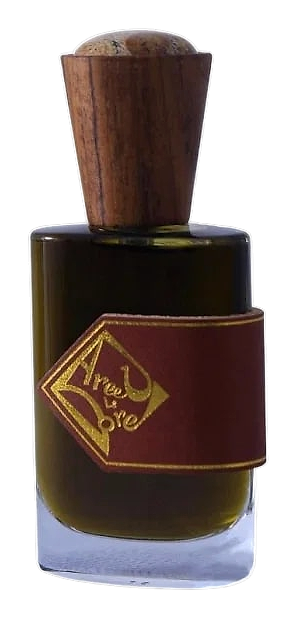
Areej Le Doré positioned itself as a counterpoint to the commercial fragrance industry, building its identity around raw oud and sandalwood rather than synthetic compounds. Plumeria de Orris, from the house's fifth collection, marked a departure toward florals that retained the brand's animalic warmth. The combination of cool powdered iris and tropical frangipani creates an unexpected bridge, merging classical perfumery materials with the lush floral spirit of Southeast Asian gardens. This scent invites wearers to explore the space where restraint meets abundance, where powdery elegance meets tropical exuberance.