The Story
Why it exists.
The beginning
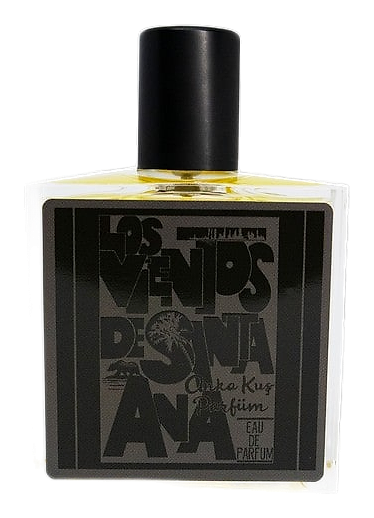
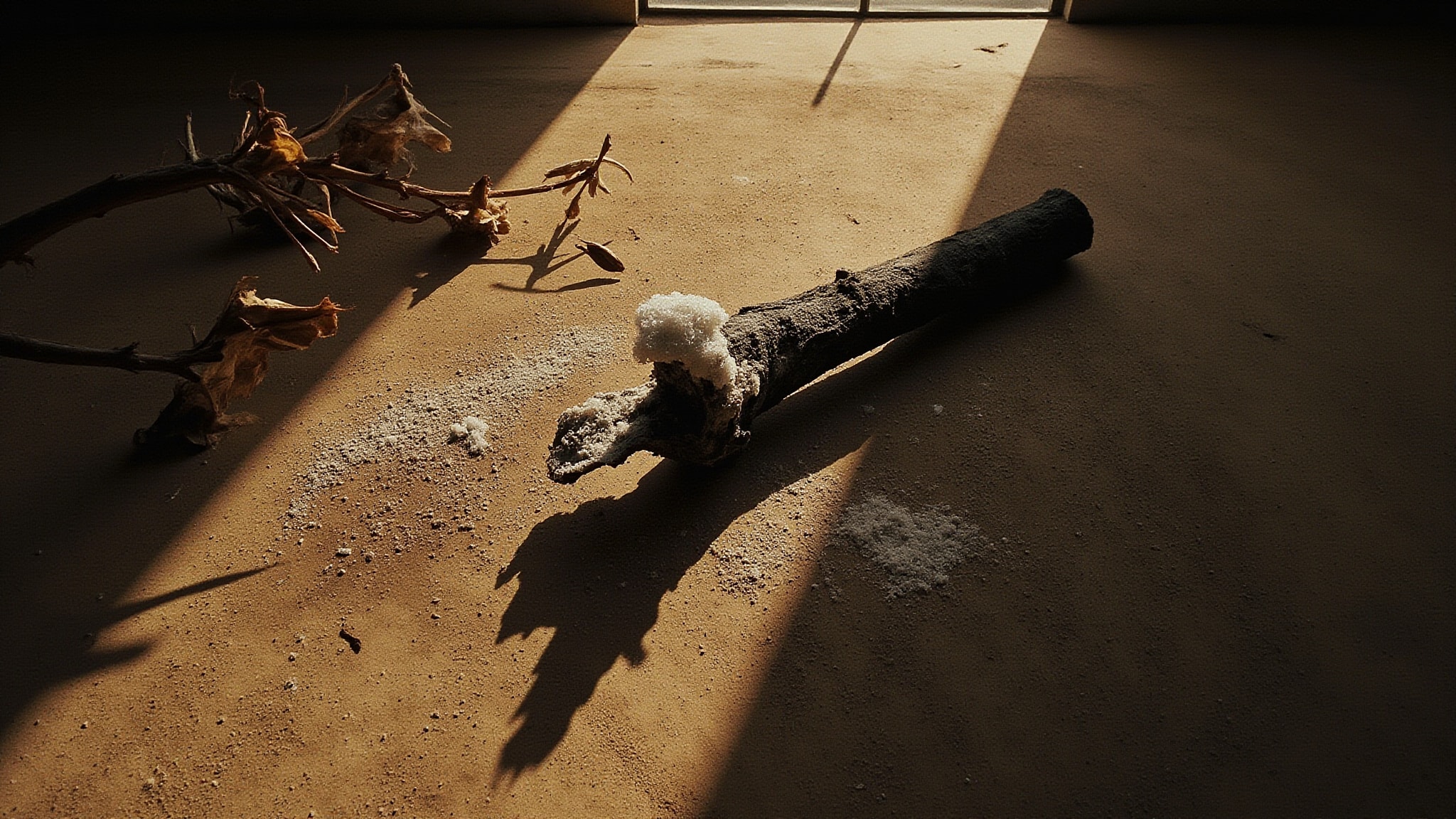
Santa Ana winds are real. They carry the smell of everything burning, chaparral, wood, dust. The perfumer behind Anka Kuş Parfüm didn't use the name as a gimmick. Took the actual phenomenon and asked: what does it smell like when warmth turns threatening? That's Los Vientos de Santa Ana. A fragrance that starts in a place you want to be, then won't let you forget you're not in control. It sits outside the usual categories. Not aquatic, not woody, not smoky, all three at once, in tension. The scent captures that liminal moment before disaster arrives, when the air itself feels charged with warning. It's a study in contradiction, warmth that threatens, beauty that unsettles, comfort that refuses to comfort.
The structure is unusual. Most fragrances with marine notes lean fresh and simple. Los Vientos de Santa Ana layers bitter orange and orange blossom at the top, then drops them into a heart that includes ambergris, an animalic material that adds depth without aggression. The aquatic notes aren't the clean soapy kind. They're saltier, more mineral, the kind that comes off wet stone rather than sea breeze. Then the base takes over: birch tar, cypress, vetiver, guaiac wood. The birch tar is the tell. It doesn't smell like smoke the way oud or incense does. It smells like something's been burning at the edge of the water, coastal, dry, slightly charred.
The evolution
The opening hits fast. Bitter orange and orange blossom, bright, a little bitter, citrussy in the way that cuts rather than sweetness. The herbal freshness fades and something cooler moves in, a mineral quality emerging from the amber that reads as earth rather than dessert. The heart is where Los Vientos de Santa Ana earns its name. Salt and ambergris giving warmth without sweetness, the combination evoking air before a fire, not the fire itself. This phase transitions gradually into the base, which does what base notes do, takes over, holds ground. Cypress and vetiver arrive quietly, their woody dryness providing structure. The birch tar is the last to show, and it's what stays. Smoky, resinous, almost charred, guaiac wood underneath keeping it dry. The drydown is where Los Vientos de Santa Ana becomes itself, a long evolution from bright citrus to mineral warmth to smoky persistence.
Cultural impact
Los Vientos de Santa Ana has found its audience among fragrance people who appreciate compositions that don't behave. The 2019 release occupies a specific space, too woody for pure aquatics, too marine for pure smoky fragrances. It doesn't fit neatly into any trend. That refusal to categorize is, for some wearers, the whole point.