
The Story
Why it exists.
The beginning
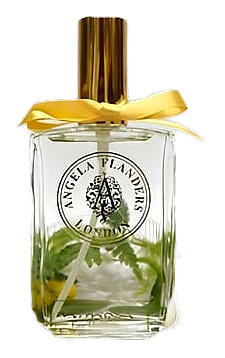
Angela Flanders released Mimosa in 2001, a fragrance that reads as a love letter to the floral stalls she has spent her life working alongside. Flowers were never background scenery for Angela. They were the daily brief, a living library of what bloomed in what season and how each petal behaved under working light. Mimosa distills that brief into a single, feminine composition, built around the yellow puff of the mimosa blossom itself, a flower that looks cheerful and behaves with surprising depth. She named it plainly for the bloom and let the composition carry the weight. There is no clever rebranding of the note, no attempt to disguise it as something else. The mimosa speaks first, and everything else in the bottle learns to listen around it.
What makes Mimosa quietly unusual is the contrast at its center. Mimosa absolute carries a natural warmth that sits a long way from the clean, dewy florals it often gets grouped with. Angela leans into that warmth rather than masking it. Violet brings the cosmetic softness. Rose lifts the bloom into something more familiar, a gesture toward the classic floral vocabulary that makes the mimosa feel less like a curiosity and more like a relative. A touch of clove stirs the heart with a low, dry spice that keeps the sweetness honest.
The evolution
The first few minutes read almost green and slightly waxy, the cool, stem-like freshness of a market bunch that has just been unwrapped. Violet arrives quickly, dusting the air with that familiar cosmetic softness, and rose threads through underneath like a memory of something older. Within the first half hour the composition settles into its true register. The mimosa opens up, releasing a warm, almost honeyed quality that smells less like a single flower and more like sunlight caught in pollen. Clove surfaces gently at the edges, never sharp, more like the warmth of a wool scarf than kitchen spice. Fruits wink in and out, brief and bright, like someone passing through a doorway. After two hours the powder and spice have fused into something quieter, a soft, almost suede-like floral that clings close to skin.
Cultural impact
Mimosa has found its audience among wearers who want a powdery, grown-up floral without the noise of a heavily marketed launch. It appeals to people who already know what they like and who treat fragrance as part of a wardrobe rather than a trend cycle. The composition rewards that kind of wearer. It doesn't announce itself across a room, and it doesn't try to be all things at once. You put it on the way you'd choose a soft cardigan over a sequined jacket, with the quiet understanding that comfort and beauty don't have to compete.