The Story
Why it exists.
The beginning
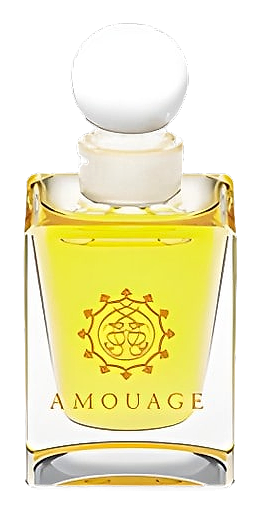
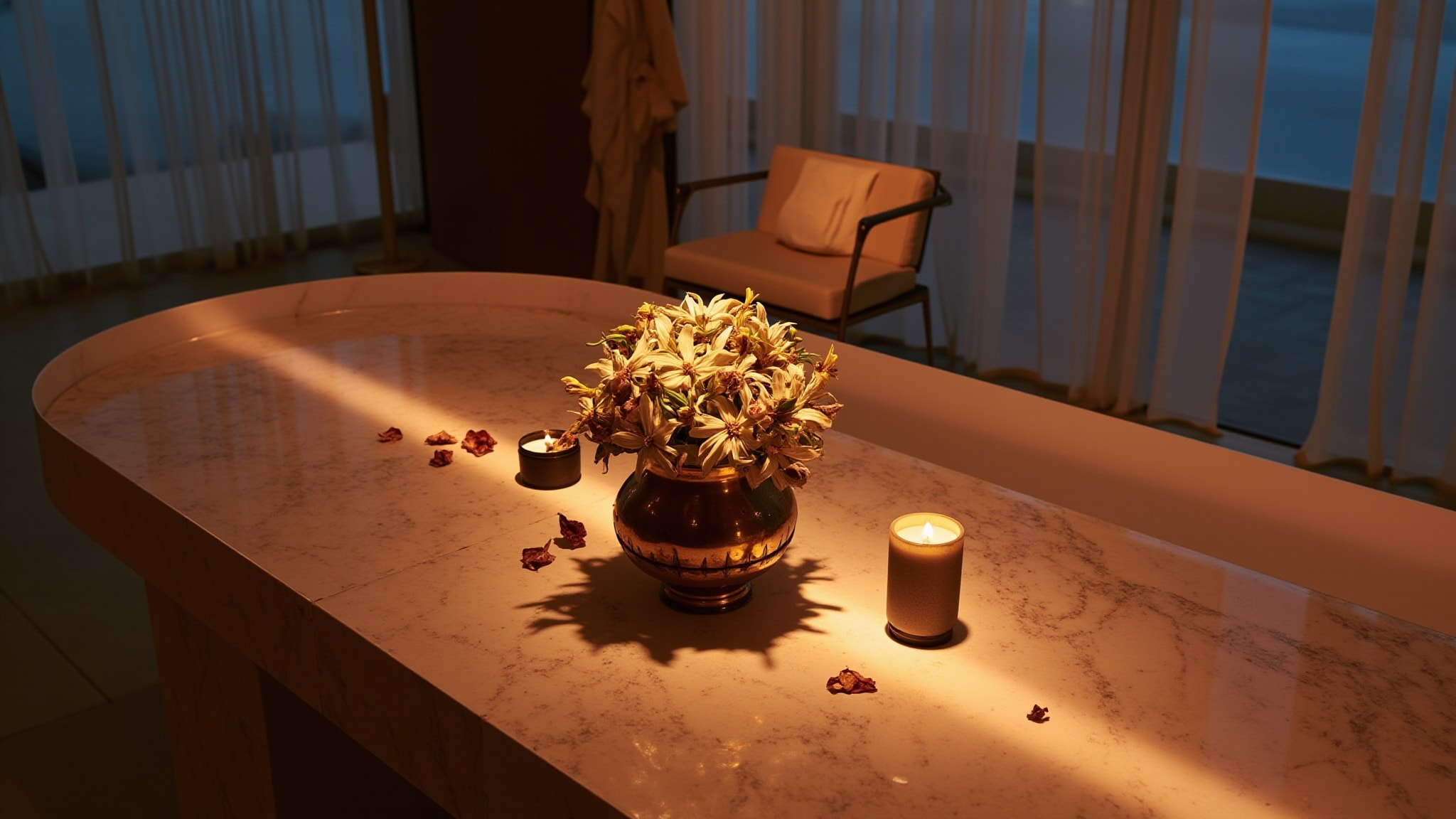
Tayyiba is a word that suggests something genuinely worth pausing for, the kind of name that earns its place rather than coasting on charm. The composition stays loyal to that brief. This is a white floral that refuses to behave like a white floral. Rather than scattering petals across a breeze, it piles them on a table and dares you to sort through the heap. A dense, oily bouquet where jasmine, ylang-ylang, and lilac sit shoulder to shoulder, refusing to thin out into something airy. The flowers arrive lacquered and weighted, pressed under something invisible that keeps them heavy on the skin. There's a beeswaxed thickness to the opening, almost like the petals have been folded into tallow rather than left loose.
What sets the texture of Tayyiba apart is the way each note refuses to behave as expected. The jasmine and ylang at the opening aren't treated as airy top notes; they're weighted, almost lacquered, as if the flowers have been pressed under something heavy. The lilac and rose in the heart carry that weight forward, never dissolving into the soapy brightness that florals often chase. Then comes the surprise: an orange blossom in the base that reads more like masa or warm grain than perfume flower, a savory edge that catches you off guard.
The evolution
The opening minutes hit thick and oily, jasmine and ylang arriving in a wall that makes you wonder if you've over-applied. The lilac follows, softening the edges but adding a green sharpness that keeps the florals honest, almost vegetable in its clarity. As the first hour unfolds, the orange blossom starts pulling the composition sideways into something savory and unexpected, that masa-like quality that shifts the entire scent from floral to something closer to warm grain. The rose surfaces briefly, softening the transition before the sandalwood and musk settle in. On skin, the fragrance holds close, staying intimate through the early hours before opening up again in gentle waves.
Cultural impact
Tayyiba is often mentioned alongside L'Artisan Parfumeur's Seville à L'Aube for sharing that savory, almost grain-like orange blossom character, a kinship between two compositions that treat white flowers with unusual weight. The scent rewards people who want their florals to announce themselves rather than drift past, making it a quietly confident choice for someone who'd rather be remembered than liked at first sniff. It belongs to a small category of florals that refuse transparency, that ask the wearer to commit to density and stay there.