The Story
Why it exists.
The beginning
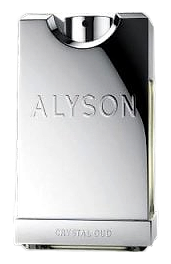
Benoist Lapouza composed Crystal Oud with a specific intent: treat oud not as a standalone statement but as part of a larger olfactory conversation. The brief was straightforward, take the warmth of woody materials and introduce something unexpected, something that grounded the composition rather than letting it float into abstraction. That something was truffle, an ingredient that carries earth and a certain luxury without the obviousness of more common spice notes or the sweetness of floral components. The result is a fragrance where truffle does not shout but instead shapes the entire structure from within, allowing the oud to function as a connective thread rather than a centerpiece.
The truffle and pepper pairing creates an unexpected dialogue here. Pepper provides sharp punctuation while the truffle settles into the heart with an animalic depth that most modern compositions sidestep entirely. Poppy appears in the heart as a quiet textural bridge, its slightly powdery quality softening the truffle's edges before the base takes over. The oud does not arrive immediately. It earns its place through incense and cedar, building slowly until the entire composition reads as one continuous note rather than a series of contrasts.
The evolution
The opening announces lemon and rhubarb, tart and slightly sour, with the rhubarb providing a green-bitter edge that keeps things from reading as sweet. Before long, the pepper arrives, sharpening everything. Then the truffle emerges, and the composition shifts from bright to deeply savory. The poppy adds a dusty, powdery counterweight to the mushroom quality, creating a heart that feels grounded and substantial. By the time the base materials begin their drydown, vetiver and cypress provide a woody-green foundation, with the oud building through the layers and eventually settling into a warmth of benzoin and musk that lingers on the skin.
Cultural impact
Crystal Oud by Alyson Oldoini presents an unconventional pairing of truffle with oud, positioning earthy, umami-forward notes as a primary heart rather than a subtle accent. This approach challenges conventional fragrance construction by making these distinctive ingredients the focal point rather than background players. The boldness of placing such challenging materials at the center of a composition offers a template for other niche houses to explore unconventional combinations and push the boundaries of what consumers expect from luxury fragrance.