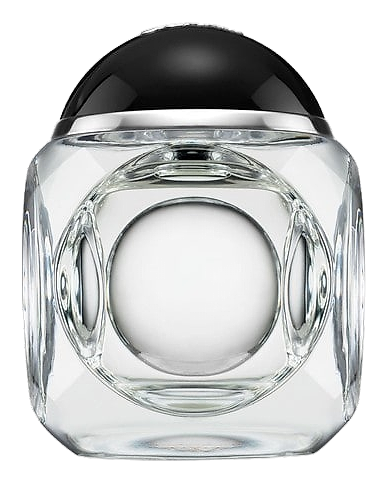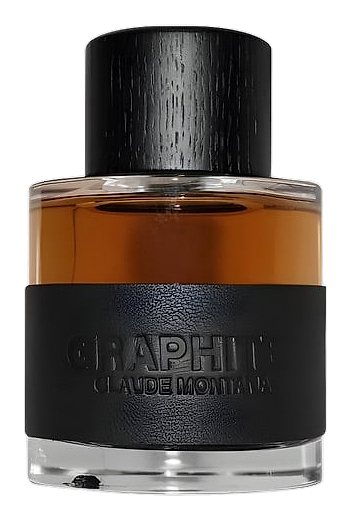
The Story
Why it exists.
The beginning
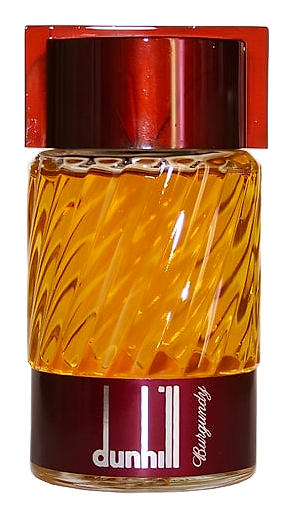
1980 was a particular kind of year. A decade of excess was winding down, and something quieter had started asking questions about what masculine elegance actually meant. Dunhill, already sixty years into its fragrance history by then, understood that question better than most. The house had built its identity on restraint: leather goods crafted with an engineer's precision, marketed to men who knew exactly who they were. Burgundy arrived as a statement about that man. Not the one performing confidence. The one who had it without needing to argue for it. The name itself said something: burgundy, the color of a good vintage, of late evenings and unhurried conversation. A fragrance for a particular kind of man at a particular kind of hour, the one where the room finally settles down and the real things get said.
What makes a 1980s masculine fragrance worth remembering isn't complexity for its own sake. It's the willingness to commit to a single mood and see it through. Dunhill Burgundy's structure, bright opening, warm heart, woody drydown, follows the classic masculine architecture of its era, but the execution carries the house's restraint. No loud entrances, no dramatic pivots. Instead, each phase hands off to the next like a conversation that doesn't need to fill every silence. The drydown is where it earns its keep: sandalwood and vetiver settling close to the skin for hours, the kind of presence that someone standing near you notices without quite being able to name it.
The evolution
The opening arrives crisp and citrus-forward, a brief brightness that announces arrival without fanfare. Within minutes the top notes recede and the heart emerges: warm, resinous, the kind of amber-and-labdanum weight that wraps around without overwhelming. This middle phase feels like the room settling, a pause before the real conversation begins. The drydown is where Burgundy earns its reputation. Sandalwood and vetiver ground everything out, with a soft musk that keeps the composition intimate and close. Moderate sillage means it stays near you rather than filling the space. On skin, expect four to six hours of quiet presence, close enough to notice, far enough to intrigue. The morning after, a faint trace of warm wood remains on fabric. Not loud. Not trying. Just there.
Cultural impact
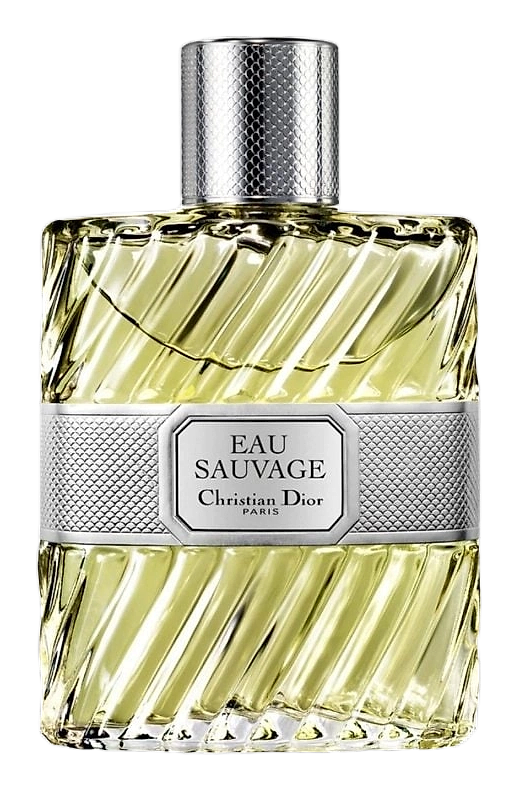
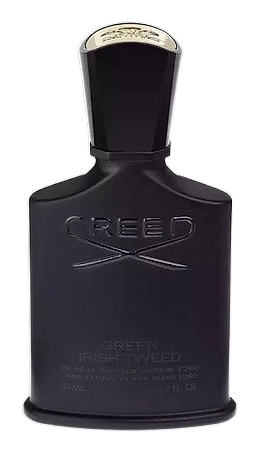
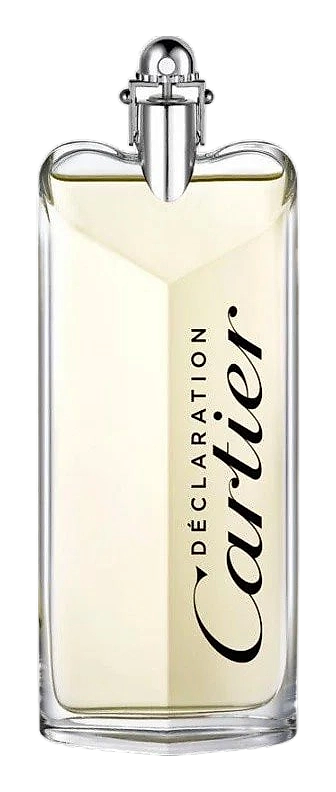
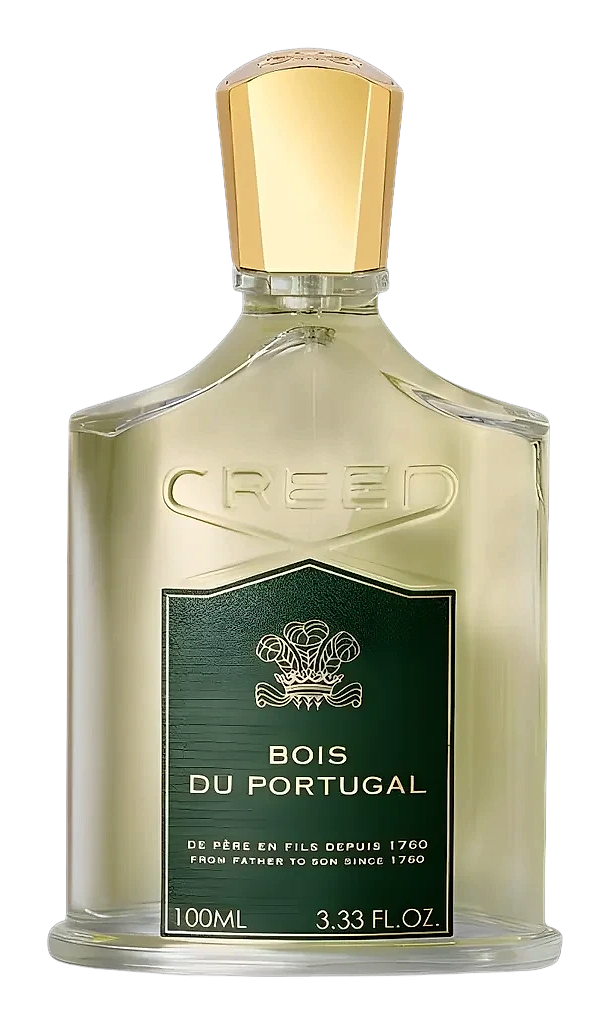
Burgundy occupies a specific place in the memory of men who wore it in the 1980s and 1990s. It's the fragrance people mention when they describe something they loved but can't find anymore. Compared to peers like Dior Eau Sauvage, Davidoff Zino, and Creed Green Irish Tweed, it holds its own on character, quieter, perhaps, but no less distinctive. For men who remember it, it's become something of a grail: proof that restraint and confidence can coexist.