The Story
Why it exists.
The beginning
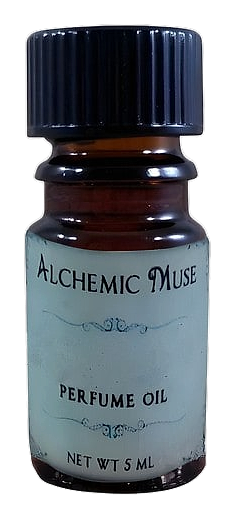
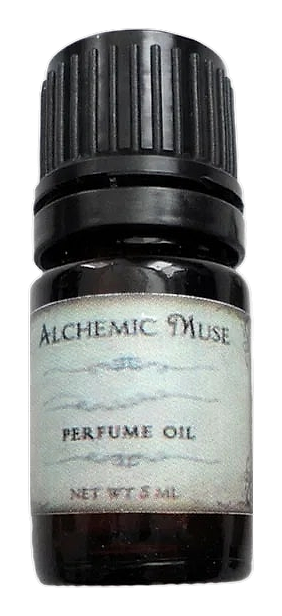
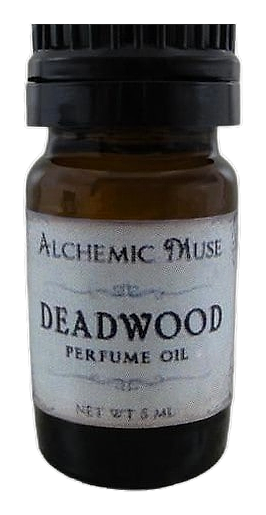
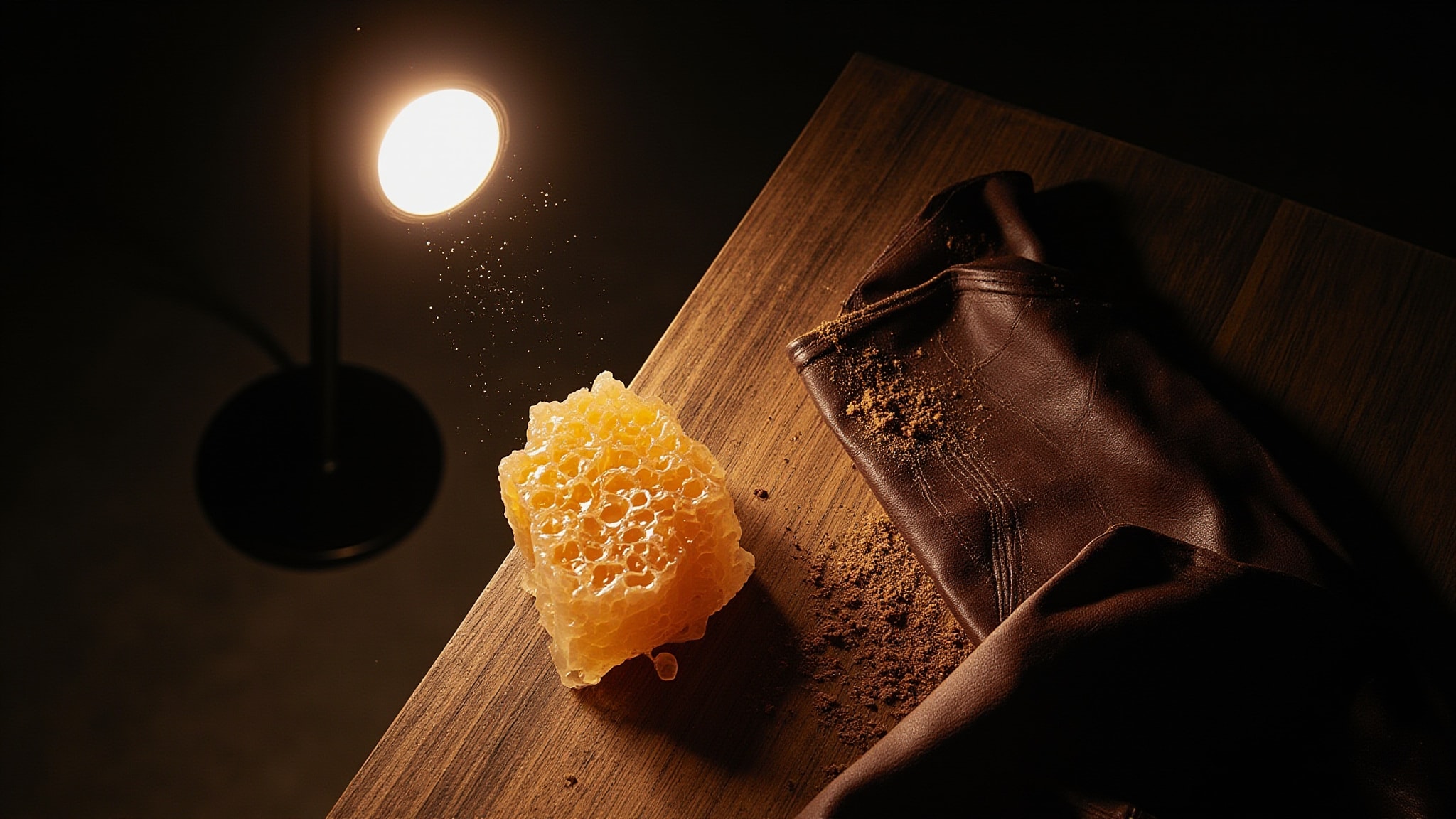
Deadwood comes from Alchemic Muse, a small-batch American fragrance house known primarily for its perfume oils. The brand built its following one carefully composed bottle at a time, with each release reading more like a personal recipe than a mass-market product. Deadwood fits squarely into that catalog, presenting a composition centered on weathered wood and worn leather, dressed in clover honey and a dusting of spice. It isn't trying to be a clean, modern release. It's built like a memory, specifically one that smells like an old saddle left in a barn, warmed by sun through a cracked window. The clover honey opens with a thick, almost floral sweetness, less sugary syrup and more the raw, slightly fermented sweetness pulled straight from the comb.
The interesting move here is the barley. It's an unusual inclusion in a heart position, and it does specific work in the composition. Barley brings a dry, grainy warmth that keeps the honey from collapsing into full dessert territory. Without it, this would be a straightforward sweet-spice-leather fragrance. With it, there's a field-dry quality sitting between the honeyed top and the resinous base, like the smell of grain husks left in storage, sun-warmed and papery.
The evolution
Deadwood opens with clover honey and wild bergamot, and there's a brief moment where it almost reads like a sweet amber entry, bright and slightly floral. The spice arrives quickly, dusting the honey without sharpening it into anything aggressive. Within the first fifteen minutes, the honey and bergamot start pulling back and the barley shows up, dry and golden, giving the heart a grain field warmth that bridges the sweet opening to the heavier base. The amber arrives in the heart as a soft resin, not the sticky amber of a mainstream oriental. It's the point where the composition stops being about food and starts being about atmosphere. The drydown is where Deadwood commits. Teakwood and worn brown leather take over, and the black vanilla husk threads through without becoming a vanilla fragrance. The musk underneath gives it skin warmth.
Cultural impact
Deadwood sits firmly in the atmospheric gourmand corner of the perfume world, a scent that reads as mood-driven and place-specific rather than broadly crowd-pleasing. It's the kind of fragrance worn close to the body, developed for personal space rather than room-filling presence. The composition leans into warmth over freshness, choosing materials like leather, teakwood, and black vanilla husk that skew rustic and tactile rather than clean or aquatic.