The Story
Why it exists.
The beginning
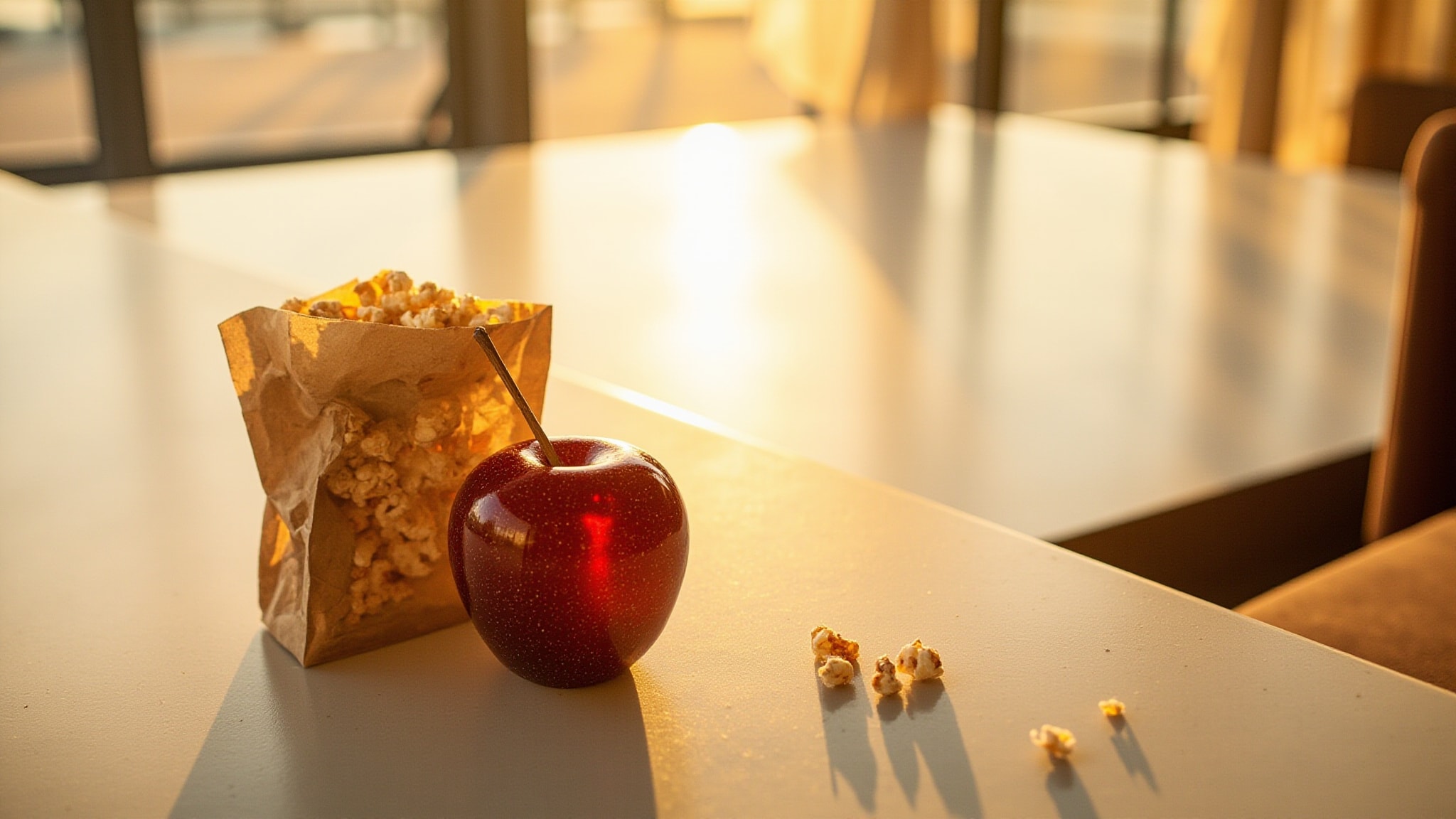
Boardwalk is exactly what it says: the smell of a seaside midway in full swing. The stands are there, the fryers are hot, and the air is doing that thing where sugar and salt become the same flavor. It reads as a direct indulgence, caramel glazed popcorn, warm taffy apples, and salty-sweet cream treats compressed into a single edible landscape. No subtext. No abstraction. Just a place made wearable, the kind of scent that paints the whole afternoon in one brushstroke and asks you to step inside it. The composition pulls from a deep catalog of gourmand work and applies a recurring house instinct: making food smell like a specific afternoon rather than a vague idea of something sweet.
What makes Boardwalk interesting isn't the candied apple, it's what the salt does to it. The saline pulls taut, like the exact moment caramel hits your tongue and your mouth waters before the sweetness even registers. That interplay between frosting and salt turns what could read as childish into something more grown: the contrast between craving and satisfaction, between the treat and the hunger that made you buy it. There's no floral, no spice, no wood to complicate the picture. The restraint is the point. Boardwalk knows exactly what it wants to be and refuses to dilute the signal.
The evolution
From the collar up, the opening lands before you've walked two steps, a rush of red apple glaze and sugar frosting so immediate it reads almost like a flavor more than a scent. Frosting is the loudest voice in the first stretch of wear. Glacé sweetness, sticky, unapologetic, the kind of sugar that announces itself rather than asking to be noticed. As the composition warms, the caramel settles in and the apple softens from bright to warm. This is when the popcorn note starts whispering from underneath, buttery, slightly toasted, giving the drydown an almost savory undertone that keeps the sugar honest. The salt is there the whole time, but it sharpens here, cutting through the sweetness like a breeze off the water, pulling the composition back toward something edible rather than syrupy.
Cultural impact
Boardwalk gets cited often when people want to talk about what a perfume oil can do that a conventional spray typically doesn't. It leans further into the edible, closer to skin, and committed to a single time and place rather than a vague idea of sweetness. The scent doesn't broadcast; it lingers. It smells like a real memory, held close, not announced. That's the appeal for the people who reach for it: a fragrance that doesn't apologize for being sweet, that treats sugar as a legitimate artistic material, and that builds an entire atmosphere out of caramel, salt, and butter.