The Story
Why it exists.
The beginning
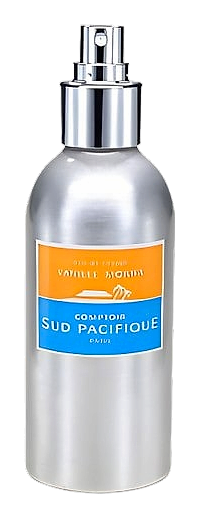
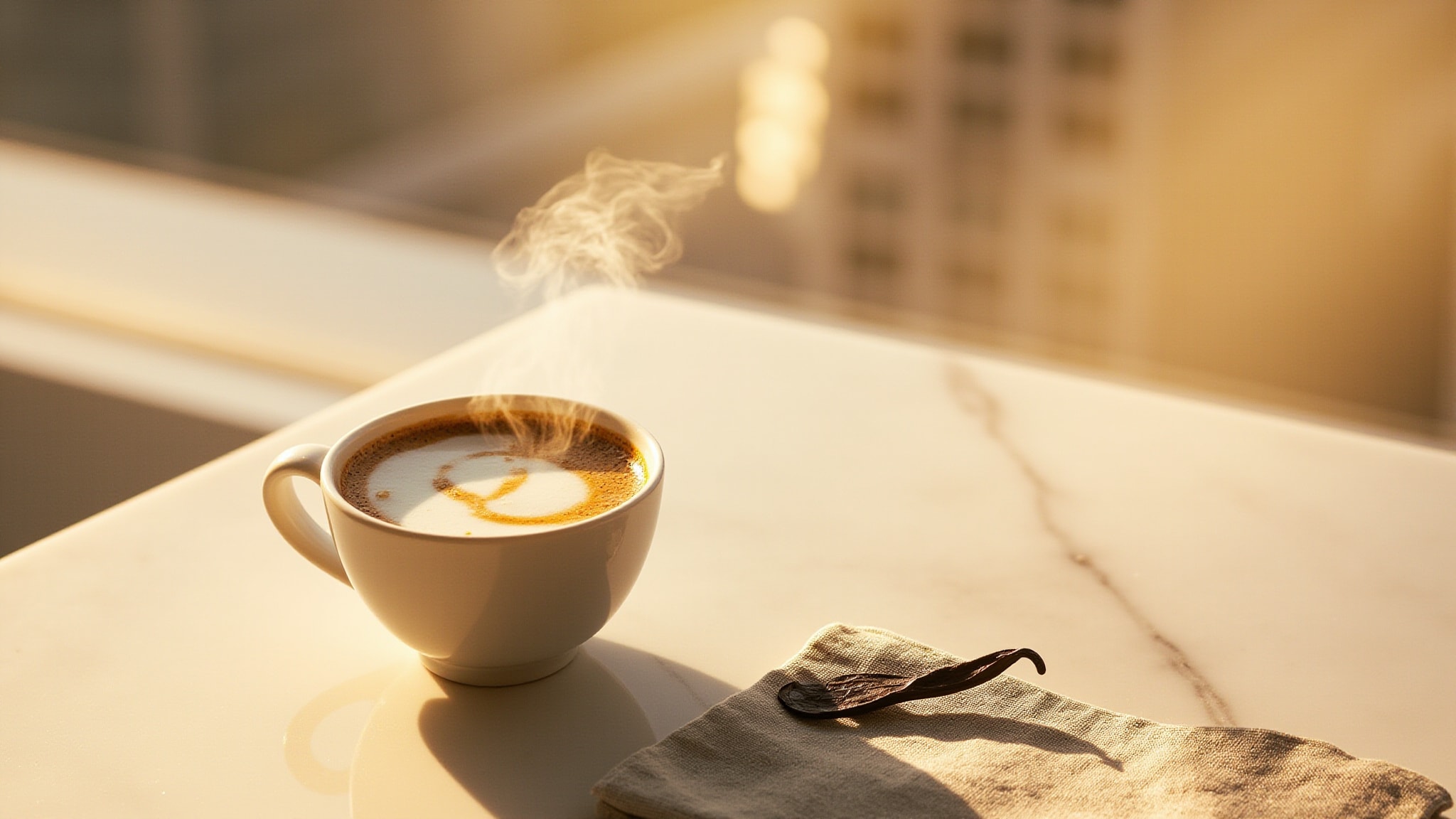
Vanille Mokha, launched in 1976, was among the house's earliest explorations of translating travel memories into scent. The name says everything, vanilla meets mokha, a promise of something deeply familiar and indulgent. It was an explicit commitment: this fragrance would smell like the real thing. Not an abstraction of coffee, not a vanilla cream. An actual mocha, rendered in liquid form. The promise was direct and unambiguous, the kind of honest naming that stood out in an era when perfumery more often hid behind poetic ambiguity and elaborate concept notes. The coffee and vanilla combination spoke plainly about what you would experience, and that clarity was quietly radical for its time, inviting wearers into something immediate and unapologetically delicious.
What makes Vanille Mokha unusual is its restraint. Two notes. Coffee and vanilla. No supporting cast, no complexity architecture to decode. The Brazilian, Mexican, and Hawaiian coffee accords listed in some sources blend into a single roasted sweetness that doesn't play games. Tahitian vanilla anchors the drydown with that island-grown richness, delivering a depth that feels both warm and sophisticated. The simplicity is the point. Every note does double duty. The coffee IS the opening, heart, and part of the base. The vanilla IS the warmth, the comfort, and the memory.
The evolution
The opening is all coffee, roasted, slightly sweet, immediate. Within minutes, the vanilla arrives and they start a conversation. Not a handoff. A conversation. The coffee doesn't disappear; it becomes the warmth that holds the vanilla, the way steamed milk holds espresso in a proper café drink. By the heart phase, you're wearing something that smells like the moment between sips, that pause where the cream has merged with the coffee and everything is just right. The drydown is skin-close and powdery-soft. This is where some people think it ends; others detect a faint coffee-stained warmth that lingers another hour or two on fabric. The sillage is never overwhelming, instead settling close to the skin like a whispered secret.
Cultural impact
Vanille Mokha sits in an interesting corner of fragrance history. It arrived in 1976, during a period when food-inspired fragrances were far from mainstream and most French houses pursued more traditional olfactory directions. As a house committed to edible, tropical compositions, Comptoir Sud Pacifique earned a quiet cult following, and this scent was often cited as the entry point. Wearers describe it as the fragrance that made them understand what 'gourmand' actually meant. It's been discontinued, which has only deepened its reputation among those who remember it.