The Story
Why it exists.
The beginning
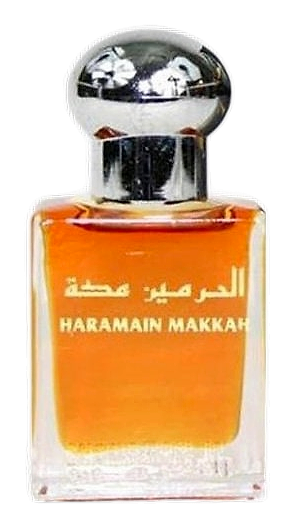
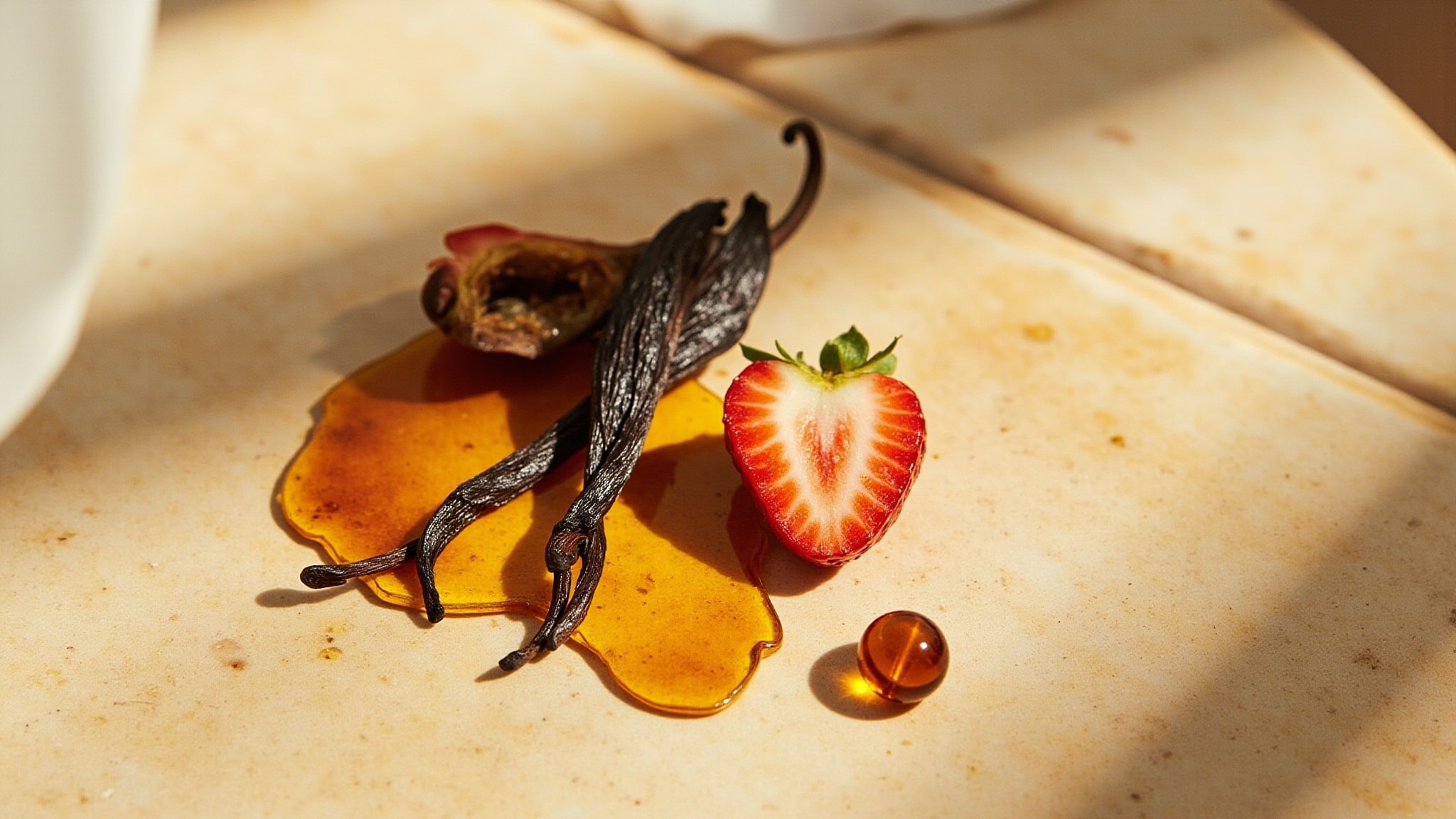
Makkah takes its name from the holy city, a place of pilgrimage, peace, and remembrance. The fragrance translates that spirit into scent: warm amber and vanilla resins create a sense of presence, while strawberry and orange blossom add sweetness and intimacy. It's meant as a companion for quiet moments, for prayer, for the kind of peace that fills the heart and soul.
The strawberry note is the signature here, ripe and present without reading as synthetic. Jasmine and orange blossom temper it with white floral grace, while amber and resins anchor everything in warmth. Vanilla and musk in the base create a lingering skin-feel that's intimate rather than loud. The combination translates the memory of a sacred place into something you can wear.
The evolution
The opening hits bright, citrus and green notes give way to strawberry almost immediately. That first impression reads almost candied, but the green notes keep it from tipping into bubblegum territory. Within minutes, jasmine and orange blossom arrive, softening the fruit into something more graceful. The heart phase shifts the character toward white floral, with the strawberry still present but increasingly softened by the florals. By the time amber and vanilla settle in, the sweetness has matured from juvenile to warm. The drydown is where this fragrance earns its name. Amber and resins create depth, powder notes soften the edges, and vanilla plus musk provide a skin-close warmth that lingers. Moderate sillage means it stays intimate, discovered rather than announced.
Cultural impact
Among sweet-fruity orientals, Makkah stands out for its strawberry note, unusual in this category. The 'Purely Aromatic' positioning and Makkah name speak to its use in spiritual contexts: prayer, meditation, remembrance. It bridges Arabian and Western fragrance preferences, making it popular with wearers who want warmth without heaviness.