
The Story
Why it exists.
The beginning
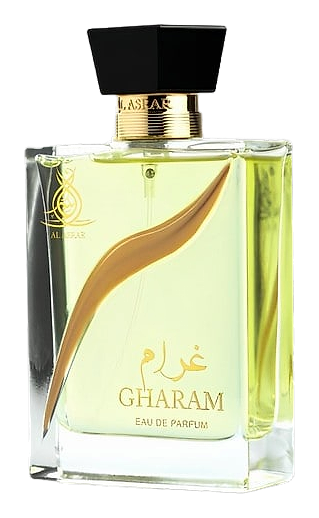
Gharam sits inside Al Asrar's Hamsat Collection, a line that gathers the house's most expressive floral compositions. The nose behind it is Remon Ageeb, a perfumer with a steady hand for building warmth without losing the lift of a bright opening. The brief was simple and demanding at once: a fragrance that flirts with sweetness in the first breath, then earns its depth. Fruit and a crisp top accord lead the overture, and the rest is a slow argument for staying. Gharam is the kind of scent designed for the wearer who wants softness without apology. The name itself points there: in dialect, it carries the warmth of infatuation, the pulled-toward feeling that lives just past politeness. Remon Ageeb treats that feeling as a structure rather than a slogan. Each phase has to feel inevitable.
The interesting move here is how few heavy elements do the heavy work. The top keeps its brightness through the fruit accord, pear, and a soft sparkle from pink pepper that doesn't shout but quietly shapes the transition into what follows. Then the heart makes a confident choice: jasmine, tuberose, and ylang-ylang together, which is a full white-floral chord rather than a solo. Each flower pulls its weight. Jasmine brings the indolic lift, that almost-animal edge that keeps white florals from going polite.
The evolution
The opening is sharp fruit, almost candy-bright, with pear running forward and the fruity accord carrying it into something almost edible. Sweet, but with a crisp edge that keeps it from going syrupy. Then it pivots. The florals move into the foreground, and Gharam stops being a fruit composition entirely. Jasmine leads, tuberose gives it weight, ylang-ylang adds the creamy, almost-banana undertone that makes white florals feel edible rather than just pretty. This is the loudest phase, the one that fills a room when you pass through it. The jasmine's indolic quality gives the heart a slight sharpness, while tuberose keeps everything dense and full-bodied, refusing to thin out into something gauzy. Ylang-ylang sits underneath both, sweet and tropical, the kind of note that makes the whole chord feel sun-warmed. As the composition breathes, the base begins its quiet takeover.
Cultural impact
Gharam sits within Al Asrar's Hamsat Collection, a line that gathers the house's more expressive floral work. The collection gives the brand room to explore white florals and sweetness without the framing that heavier compositions might carry. Gharam reads as broadly wearable within that lineup, with a composition that leans into fruit, white florals, and warm base notes rather than relying on heavier materials. The fragrance carries an openness that makes it approachable. The floral heart is generous rather than restrained, the fruit accord is bright without being childish, and the base settles into something warm and skin-close.
The House
Al AsrarAl Asrar, also known as Maison Asrar, is a niche perfume house rooted in the United Arab Emirates. Since its launch in 2013 the brand has pursued a quiet ambition: to translate the oral storytelling tradition of the Gulf into scented narratives. Each bottle aims to capture a moment, from the salty breezes of White Sands (2025) to the celestial allure of Neptune (2026). The house balances Arabic olfactory heritage with contemporary composition, offering both perfume and home‑fragrance formats for discerning collectors.
The Creator
Remon AgeebAgeeb favors a minimalist palette that lets star ingredients shine. He often builds around a single anchor—oud, amber, or a rare floral—and supports it with subtle accents of citrus, spice, or green foliage.