The Story
Why it exists.
The beginning
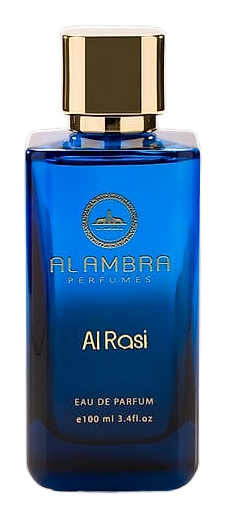
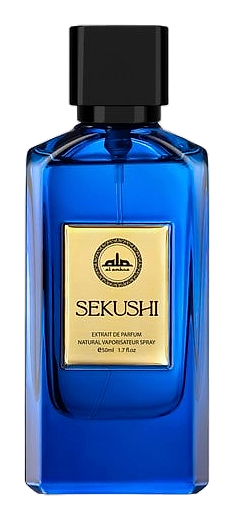
Sekushi arrived in 2020 as part of Al Ambra's evolving catalogue, arriving after the amber-rich Shake Ambra and the oud-forward Al Rasi. Where those earlier fragrances announced themselves boldly, Sekushi takes a different approach, warmth rendered intimate, florals brought close. The name carries its own quiet character. In Japanese, the word holds a sense of indulgence, softness, the pleasure of closeness. That energy translates directly into the composition: a fragrance designed not to fill a room but to reward proximity. The brief seems clear enough: take the house's understanding of warm, resinous tradition and filter it through something cooler, more delicate. Exotic florals and spices open the conversation, then yield to the cleaner register of lily of the valley and carnation before amber, vanilla, and musk anchor everything into something skin-like and lasting.
What makes Sekushi structurally interesting is the contrast between its top and heart notes. The opening, exotic florals alongside spices, lands warm and slightly sharp, the kind of brightness that catches attention. But within the first hour, the composition pivots sharply toward cool, soapy, almost dewy florals. Lily of the valley and carnation together is an unusual pairing. Carnation carries a spicy, clove-like warmth; lily of the valley is one of the cleanest, most delicate florals in perfumery. They're not obvious partners. Yet in Sekushi, they balance rather than compete, carnation keeping the lily from floating away entirely, the lily keeping the carnation grounded.
The evolution
The opening arrives bright and a little spicy, exotic florals meeting warm spice without apology. It announces itself clearly in the first minutes, the kind of start that earns attention before settling. Soon the composition begins its pivot. The exotic florals recede; lily of the valley takes the stage with its cool, dewy, almost soapy cleanliness. Carnation appears as a subtle warmth underneath, keeping the florals from feeling entirely detached from the opening's heat. As the wear continues, the contrast softens into something powdery and warm. The florals, now familiar, softened, begin to blend with the amber and vanilla emerging from below. The vanilla doesn't overpower; it sweetens the edges of the lily just enough to make it feel worn, comfortable. Musk anchors everything, keeping the drydown close to the skin rather than throwing it outward. In the final stage, amber, vanilla, and musk settle together into something that reads as skin-warm and slightly animalic, not sharp, not aggressive, just present.
Cultural impact
Sekushi enters a market where warm, powdery florals occupy a particular niche, fragrances that are approachable and versatile without being forgettable. Al Ambra has built its reputation on amber, oud, and incense-forward compositions; Sekushi demonstrates a different dimension of the house's range. The powdery floral with warm spice combination has broad appeal: clean enough for professional settings, warm enough for evening wear. It performs best in cooler months when its amber-vanilla base has room to breathe. The fragrance attracts wearers who want presence without projection, someone confident enough not to need a room-filling sillage. Since its 2020 launch, it has quietly built a following among those who prefer intimate to assertive.