
The Story
Why it exists.
The beginning
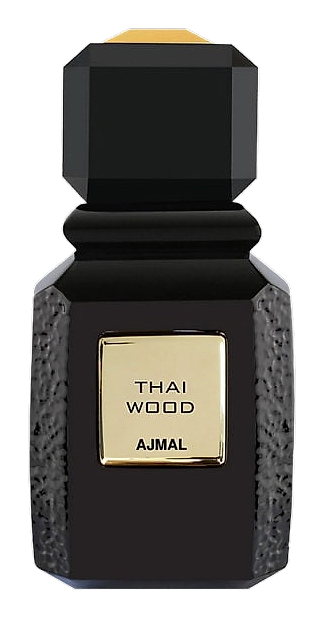
Thai Wood arrived in 2025 as part of Ajmal's W Series. The cinnamon sits up front like a door held wide, commanding attention from the first spray with its warm, slightly biting sweetness. Then the kitchen takes over, tonka, cocoa, vanilla absolute, sugar folded together until the sweetness stops being sweet and starts being something darker, richer, almost roasted, the kind of accord that smells like it took hours to get right. What separates Thai Wood from a straightforward gourmand is how those edible notes behave. The cocoa doesn't go chocolatey so much as earthy and dense. The tonka adds a tobacco-like roundness rather than a marzipan sweetness. The sugar is there for weight, not sparkle, and the vanilla absolute reads dark and resinous rather than bright or creamy.
What makes this composition interesting is the choice to lead with a single spice and then bury it under sweetness. Cinnamon is loud. Most formulas that use it either let it shout or dilute it. Ajmal leans the other way, lets the tonka and cocoa absorb the heat, so the cinnamon reads as warmth rather than sharpness. The Akigalawood in the base is a modern woody molecule with a slight peppery, earthy character, and it does quiet work here, giving the sugar a darker edge without tipping into smoky territory. Labdanum adds the resinous glue that keeps the drydown from dissolving into straight gourmand territory.
The evolution
The first fifteen minutes are all cinnamon, single-note, almost aggressive, the kind of opening that makes people nearby look up. There's nothing subtle about it. The spice is bright, warm, and unapologetic, landing on skin with a dry heat that announces the fragrance before you've even left the room. Then something shifts. The tonka and cocoa arrive and the cinnamon doesn't disappear, it gets absorbed. What was sharp becomes warm, the spice mellowing into something rounder and more inviting as the gourmand notes layer in beneath it. By the forty-minute mark, the sugar shows up and rounds everything off, adding a syrupy weight that ties the composition together without pushing it into cloying territory.
Cultural impact
Thai Wood arrives at a moment when the line between gourmand and oriental perfumery is blurring. The composition uses Akigalawood, a more contemporary woody molecule developed in modern perfumery labs, which gives the fragrance a modern edge beneath its classical, spice-led surface. This combination of traditional warmth and contemporary materials speaks to a growing appetite for fragrances that feel both familiar and forward-looking. The sweetness here is substantial, built from cocoa, tonka, sugar, and a dense vanilla absolute, but the peppery, slightly mineral quality of the Akigalawood keeps things grounded.