The Story
Why it exists.
The beginning
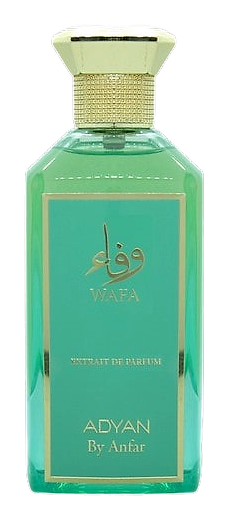
Wafa, meaning faithfulness or devotion in Arabic, arrived in 2021 from Adyan by Anfar, a label marketed by Oudh Al Anfar Manufacturing L.L.C. The composition is the work of Ahmedullah Anfar, named as the nose behind the release. Wafa is built on a structure that rewards attention: the opening reads bright and clean, almost luminous in its clarity, before the composition settles into a softer, warmer register where white florals and musk take hold. There's a tactile, almost weightless quality to how the notes unfold on skin, as if the perfume is breathing outward rather than projecting.
The note architecture here is deceptively simple, and that's where its interest lives. Two top notes, two heart notes, two base notes, yet the fragrance projects a range that feels considerably wider than the pyramid suggests. With only six named materials, each one has to carry genuine weight, and there's a sense that nothing in the composition is filler.
The evolution
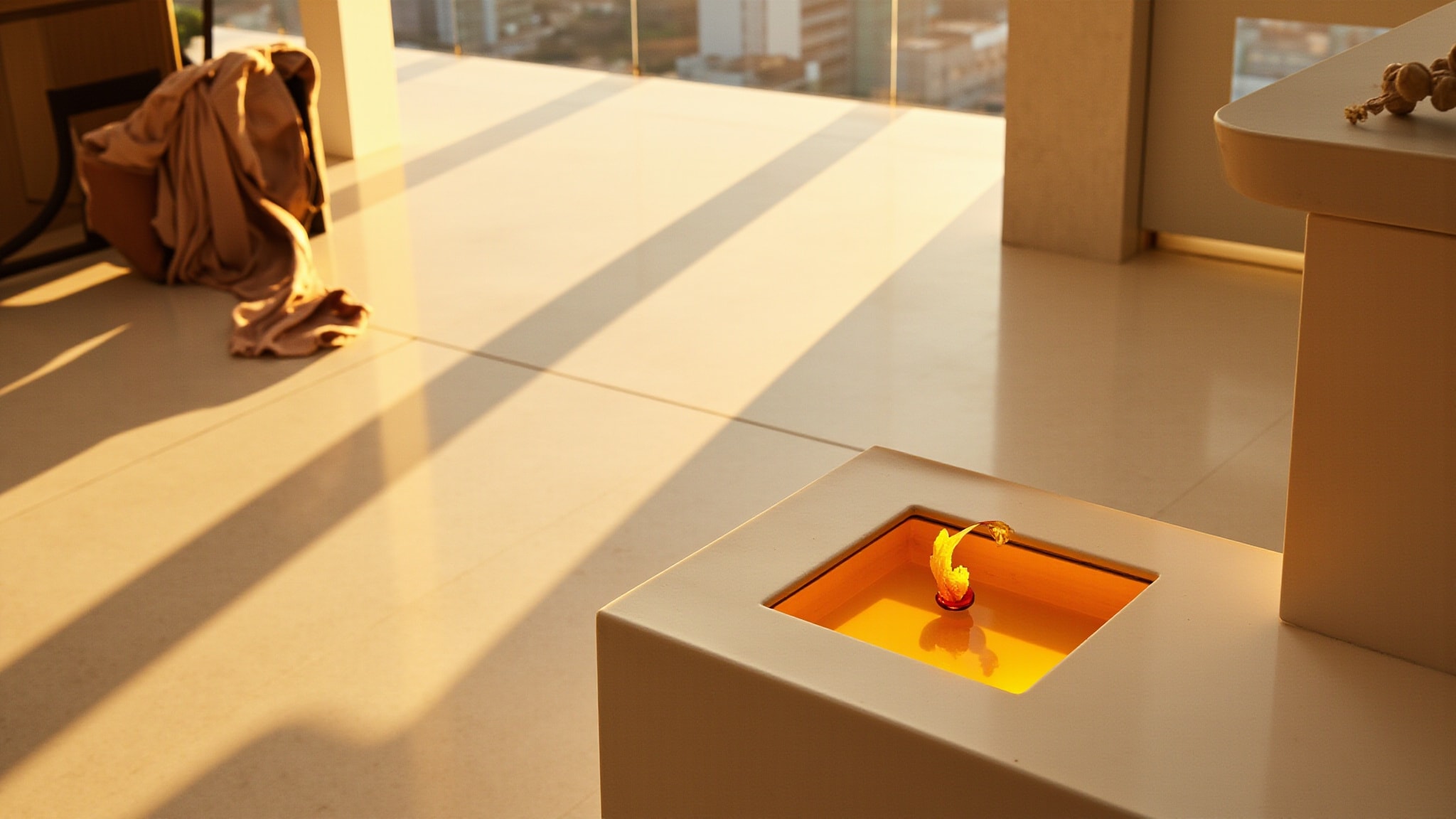
The first twenty minutes are bright and almost disarming. Citruses hit first, sharp and clean, but the amber beneath them keeps everything from feeling cold. It smells like sunlight on a tile floor, warm but not sweet. The transition into the heart takes about thirty minutes and it's where the musk shows up, not as a base note acting early, but as a texture that softens everything around it. The floral notes in the middle are abstract rather than named, which means they read as skin-scent, clean laundry left on a chair, something adjacent to the body without being the body. The drydown is where Wafa commits. White flowers and woody notes settle into something that lasts well into the evening, warm and slightly powdery, with a persistent animalic edge that never crosses into musk overload. On fabric the next morning there's still a trace, softer, more like the memory of the fragrance than the fragrance itself. The arc is gentle rather than dramatic, but it doesn't quit.
Cultural impact
Wafa occupies a distinctive position within the Adyan lineup. Its floral-musky architecture and unisex designation set it apart from more traditional Arabian fragrance conventions, making it a composition that speaks to a broad range of wearers. The fragrance reads as quietly confident, the kind of scent that doesn't announce itself across a room but rewards those who get close. Among Adyan's catalog, it functions as the understated option, the one for someone drawn to white florals and clean musks over heavier resins or oud.
The House
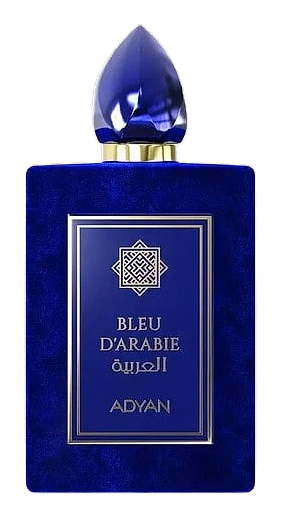
Adyan by AnfarAdyan by Anfar is a Dubai-based fragrance house operating under the umbrella of Oudh Al Anfar, one of the oldest perfume manufacturers in the Gulf region. The brand positions itself at the intersection of French perfumery traditions and Arabian olfactory sensibilities, creating scents that appeal to collectors seeking both Western elegance and Eastern soul. Adyan launched its first fragrance around 2019 and has since released multiple acclaimed scents including Bara, Tamara, and the recently discussed Bleu D'Arabie. The house operates with in-house perfumers including Ahmedullah Anfar, and maintains the collection with regular new releases spanning both oud-forward compositions and contemporary western-style fragrances, all manufactured in Dubai. The brand sits alongside Anfar London as part of the family's niche strategy within their broader perfume business.
The Creator
Ahmedullah AnfarHis style reveals itself through gourmand warmth and citrus brightness. Fresh Summer Fragrance (2022) showcased his ability to modernize classic citrus structures with edible depth, while Cotton Candy (2025) demonstrated his comfort with playful sweetness balanced by musky sop…