
The Story
Why it exists.
The beginning
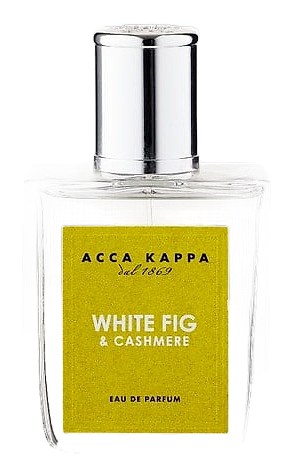
White Fig & Cashmere arrives in 2024 as Acca Kappa's quiet addition to the house's Mediterranean vocabulary. The brief was simple: translate the feeling of an Italian summer afternoon into something you can wear. Not the tourist version, the real one. The shade of a fig tree at midday, the warmth of stone that's been baking since noon, the moment when the breeze comes off the water and everything softens.
What makes this composition work is its restraint. Fig and coconut can easily tip into body-lotion territory, sweet, synthetic, forgettable. Acca Kappa pulls back. The fig milk reads clean and slightly lactonic, almost mineral. The coconut doesn't oversweeten. Grapefruit in the opening keeps things honest, keeps the green from going creamy too soon. It's a composition that trusts the wearer to find the nuance.
The evolution
The opening hits bright and brief, grapefruit zest over a green fig leaf that doesn't linger. Within ten minutes the coconut arrives, not as sweetness but as texture, something soft and enveloping that takes over the top notes. The cedarwood starts threading through around the thirty-minute mark, giving the heart a quiet woody backbone. By hour two, you're in the drydown: cashmere wood, sandalwood, and white musk settling close to skin. It doesn't announce itself. It doesn't need to. On fabric, the sandalwood holds the longest, a warm, creamy residue that stays until the next wash. On skin, four to six hours depending on your chemistry, then gone entirely.
Cultural impact
White Fig & Cashmere fits within the broader cultural movement toward wellness-oriented fragrance, where scents serve as tools for calm and presence rather than dominance. The 2024 launch aligns with the global shift toward minimalism and intentional consumption, particularly among younger consumers. Acca Kappa's long heritage, dating to 1869, grounds this contemporary release in a philosophy of restrained elegance, while the Mediterranean inspiration connects to the brand's Italian roots. The fragrance reflects a broader industry trend away from heavy, statement-making perfumes toward intimate, skin-close compositions that enhance personal spaces without overwhelming them.