
The Story
Why it exists.
The beginning
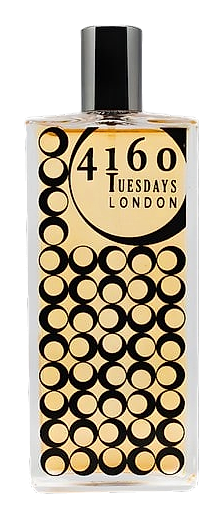
Oakmossery arrived in 2021 with a single purpose: to make good on a promise that perfumery stopped keeping. Sarah McCartney had watched the great chypres drift from shelves, squeezed out by regulation, reformulation, and the industry's preference for safe. Not unsafe, just safe. Oakmossery was the correction. Not a tribute, not a nostalgia piece, but a full-bodied chypre built the way they used to be built, with oakmoss at the center rather than a footnote. The name says it all. Oak. Moss. The two materials that define the genre, given top billing for the first time in decades. McCartney made no secret of what this was. She built it for the people who asked where it went.
The structure holds because nothing fights for attention. Peach, lavender, bergamot, jasmine, rose, blackcurrant, patchouli, sandalwood, labdanum. None of them compete with the oakmoss. They frame it, support it, add depth where depth is needed. The fruit keeps it from becoming austere. The florals soften what could be harsh. The woods and resins give it somewhere to live when the green eventually settles. This is a chypre that understands its own architecture, and that coherence is what makes it worth wearing instead of just studying.
The evolution
The opening arrives crisp. Bergamot sparks first, citrus-bright and slightly tart, before lavender slides in with its clean, almost medicinal herbal quality. Peach and blackcurrant hover underneath, adding sweetness that never announces itself. The first thirty minutes are the strangest part. Bright and green and slightly astringent. Then the oakmoss arrives, gradually becoming the heart. The heart becomes moss. That damp, living, slightly animalic scent of earth after rain. Jasmine and rose keep it from becoming oppressive, but only just. This is where Oakmossery earns its name. The drydown brings labdanum forward. Resinous, warm, with patchouli's woodsy depth underneath. Sandalwood smooths everything out. The final hours are powdery, woody, close to the skin. Oakmossery does not project aggressively. It lingers. It stays. A scent that knows exactly what it is.
Cultural impact
Oakmossery speaks to a specific kind of wearer. Someone who knows chypre as a structural principle, not just a note family. Someone who remembers what bergamot, oakmoss, patchouli, and labdanum do together, and noticed when the formula started disappearing. The fragrance occupies a particular space: revival without pastiche, commitment without aggression. It is not trying to compete with what the industry produces. It is answering a question that the industry stopped asking.