
The Story
Why it exists.
The beginning
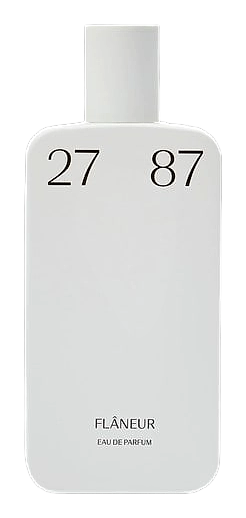
Flâneur takes its name from the French tradition of the urban stroller, someone who moves through the city without destination, observing, absorbing, present. Mark Buxton translated that spirit into scent: absinthe as the green, slightly bitter quality of attention, contrasted by warm florals and woody base notes that keep the composition grounded in the here and now rather than memory or fantasy.
The combination of absinthe and linden blossom is unusual. Absinthe brings green, bitter, slightly anise-like qualities that most perfumers use sparingly or bury in the drydown. Here it leads. Linden blossom, the yellow flower of the linden tree, adds a warm, slightly sweet, powdery floral note that balances the absinthe's sharpness. Together they create a tension between bitter and warm that defines the fragrance's character. Cashmere wood, a modern synthetic note that mimics the soft, slightly dry warmth of the textile, provides the base without relying on traditional animalics.
The evolution
The opening hits with absinthe's green bitterness alongside bright bergamot. Within minutes the linden blossom emerges, softening the sharp edges into something warmer and more contemplative. The heart phase introduces almond blossom and orris root, adding a powdery elegance that shifts the composition from green to warm floral. As it settles, cashmere wood and cedar take over, with vetiver providing earthy depth and ambergris lending a subtle salty mineral quality. The drydown is intimate, close to the skin, lasting several hours after the initial brightness fades.
Cultural impact
Flâneur occupies a specific corner of contemporary perfumery, the urban, slightly melancholic fragrance that refuses nostalgia. It appeals to wearers who want something that smells like a city in motion rather than a garden or ocean. The absinthe-forward composition sets it apart from more conventional green fragrances, while the warm drydown keeps it approachable.