

    Brand Profile

    27 87 is an independent fragrance house based in Barcelona, Spain, founded in 2016 by Romy Kowalewski. The brand takes its name from her bir…More

    Spain·Est. 2016·Site

    6

    Fragrances

    3.6

    Rating

    Just Landed

    New Arrivals

    The latest additions to the 27 87 collection.

    12

    The Heritage

    The Story of 27 87

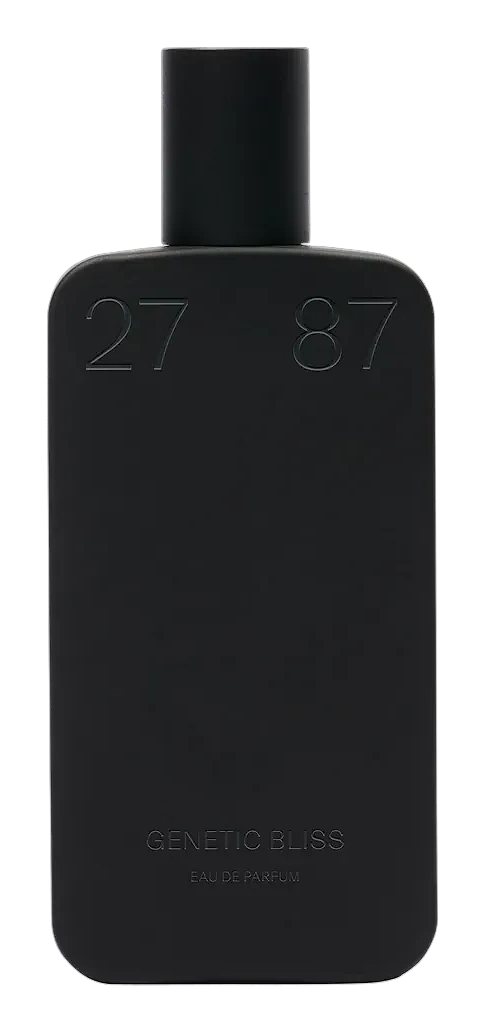
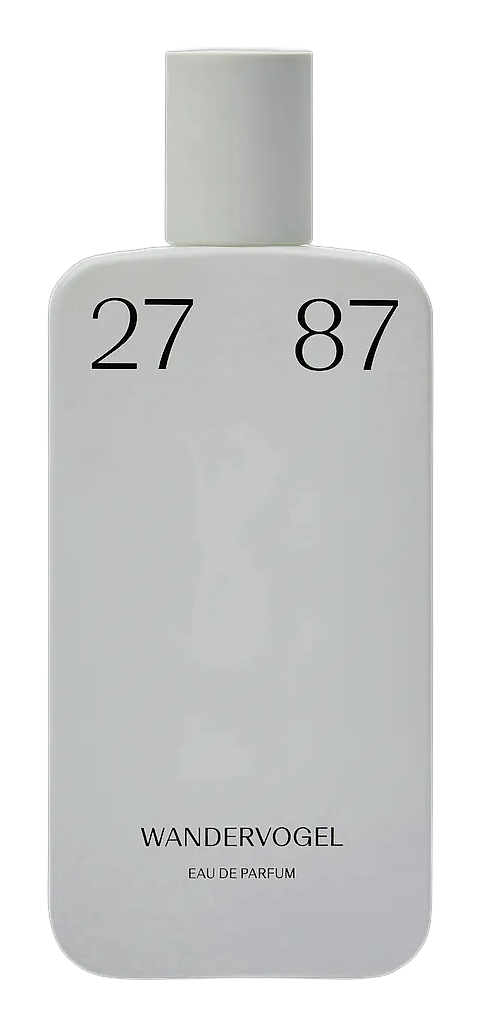
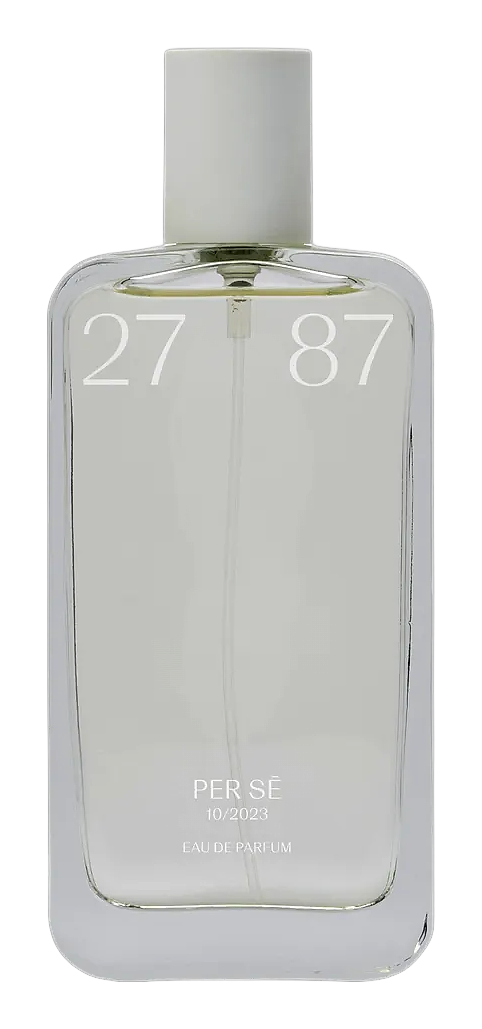
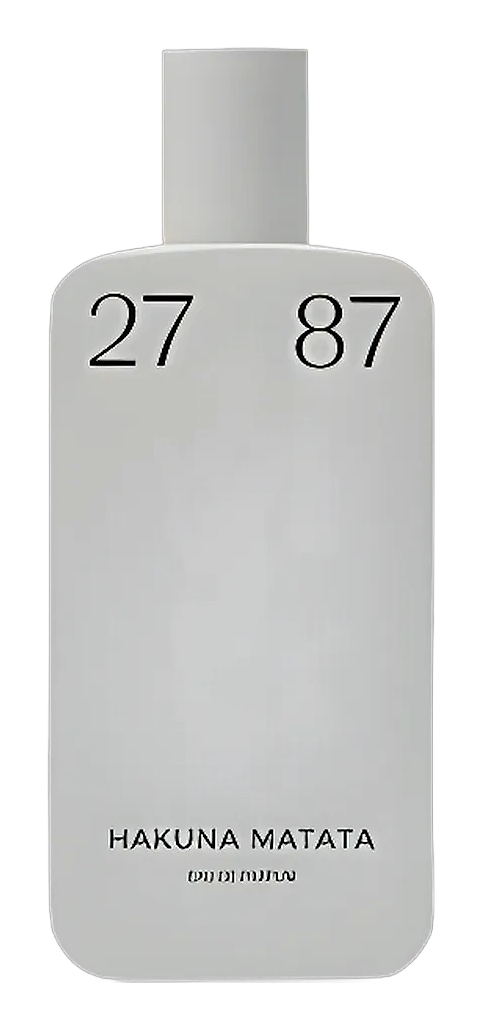
    27 87 is an independent fragrance house based in Barcelona, Spain, founded in 2016 by Romy Kowalewski. The brand takes its name from her birthdate, a personal anchor that grounds its broader creative mission in the present moment. Known for its contemporary, gender-inclusive compositions, the label creates scents designed not as nostalgic anchors or memory triggers, but as companions to lived experience. The collection spans olfactory territories from aromatic to resinous, with notable works including Wandervogel (2016), Genetic Bliss (2018), Sónar (2019), Flâneur (2021), and Per Se (2023). Each fragrance arrives in a signature bottle that reflects the brand's commitment to minimalist, geometric design. Operating without a house perfumer, 27 87 works with external industry collaborators to develop its progressive formulations, maintaining flexibility and creative curiosity across its expanding catalog.

    Heritage

    The story of 27 87 begins with a young founder at a crossroads. Romy Kowalewski, reportedly just 26 years old, decided to leave her home country and relocate to Paris in pursuit of capital and industry connections. She sought out investors who might support her vision for an independent perfume label, a venture that required both audacity and pragmatism given the established structures of the fragrance industry. Paris represented a logical destination for someone aiming to build in luxury goods, but her eventual base shifted to Barcelona, where the brand took root and began to grow. The decision to name the house after her birthdate was intentional, transforming something deeply personal into a public creative identity. The number 27 87 carries no obvious symbolic weight beyond its autobiographical origin, which aligns with the brand's broader rejection of industry conventions about what perfume names should communicate. The choice signals a departure from evocations of places, ingredients, or poetic abstractions that dominate the niche fragrance landscape. Rather than constructing mythology around exotic materials or heritage houses, 27 87 anchored itself in the individual. This founding principle has shaped everything from naming conventions to the brand's relationship with storytelling. The early years saw rapid expansion of the catalog, with multiple releases in 2016 alone establishing the house's range and creative confidence. The label's positioning as an all-gender brand arrived during a period when such inclusivity was becoming more common in niche perfumery, though 27 87's commitment to the concept felt less like market strategy and more like extension of its founder's worldview.

    Craftsmanship

    27 87 operates without a house perfumer, which represents an unusual structural choice in an industry where brands typically build identities around in-house nose talent. Instead, the label functions as a creative directing entity, developing concepts and briefs, then collaborating with external fragrance houses and independent perfumers to realize formulations. This model offers greater flexibility, allowing the brand to work with different collaborators whose strengths align with specific creative visions rather than committing to a single perfumer's style. The approach requires strong creative direction and a clear internal aesthetic language to maintain coherence across collaborations. For its production processes, the brand sources materials through established fragrance ingredient suppliers, though specific supplier relationships are not publicly documented. The formulations themselves undergo internal development cycles that prioritize originality of concept alongside technical execution. Notable releases like Genetic Bliss and Lametta demonstrate willingness to explore challenging or unconventional accords that deviate from mass-market preferences. The production scale appears to favor niche exclusivity over broad distribution, with the brand positioning itself within independent perfumery rather than mainstream luxury. Quality processes center on the relationship between concept and material. Before a fragrance reaches production, the creative team reportedly evaluates how closely formulations achieve intended olfactory effects, with multiple revision cycles common. The absence of a permanent perfumer means each project begins with collaborator selection, a process that shapes the final character of each release based on who understands and can execute the brief most effectively.

    Design Language

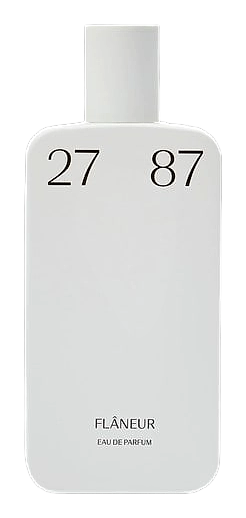
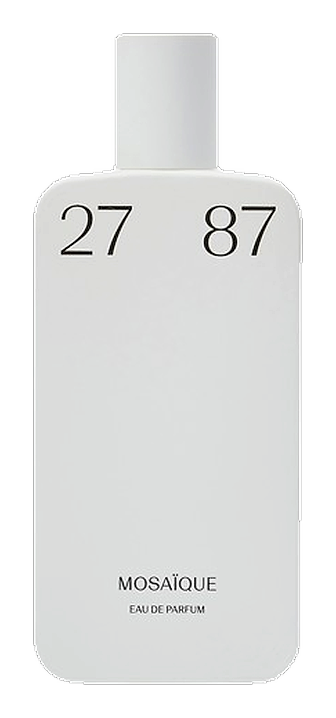
    The visual identity of 27 87 is defined by geometric minimalism and restraint. Packaging and bottle design employ clean lines, negative space, and monochromatic or limited color palettes that communicate contemporary sophistication without ornamentation. The aesthetic language aligns with the brand's broader philosophy of presence and reduction, stripping away excess to focus on essential form. Typography choices reinforce this orientation, with typefaces selected for legibility and modern sensibility rather than decorative flourish. The bottle itself has become a recognizable object within independent perfumery, with its distinctive shape appearing across the catalog as an identifying element. The geometric approach extends to how fragrances are presented and photographed, with visual campaigns emphasizing form, light, and composition over lifestyle imagery or emotional manipulation. The overall effect is a brand that looks like it belongs within the contemporary design world rather than the heritage luxury category. This visual coherence supports the philosophical positioning, making the aesthetic inseparable from the creative intent. For retail environments and digital presence, the brand maintains consistent application of its design principles, creating a recognizable world that extends beyond individual product photography.

    Philosophy

    The guiding principle at 27 87 might be stated simply: perfume belongs to the present, not the past. The brand explicitly rejects the industry's dominant narrative that fragrances should function as memory triggers, transporting wearers back to childhood kitchens, grandmother's gardens, or formative travel experiences. This memory-centric approach to perfume marketing has dominated for decades, but 27 87 questions its necessity. A fragrance, in this view, is not a time machine but a living element that accompanies current experience. The brand frames its scents as canvases and complements to authentic living, rather than masks or nostalgic devices. The language around co-creation positions the wearer as an active participant rather than a passive recipient. The perfume does not impose an identity or transport the wearer elsewhere; it exists in dialogue with whoever is wearing it, adapting its meaning through that relationship. This reflects a broader philosophical orientation toward presence and inquiry. The brand describes itself as progressive and inquisitive, suggesting an ongoing process of questioning rather than a fixed set of aesthetic principles. In practice, this manifests across the catalog, which resists easy categorization. Wearers encounter unexpected combinations and unconventional structures that resist straightforward interpretation. The brand has cultivated a following among those who appreciate perfume as intellectual engagement as much as sensory pleasure. Romy Kowalewski's personal philosophy shapes the label's direction without reducing it to autobiography. The birthdate naming convention connects her individual story to the creative work, but the brand's philosophy extends beyond personal expression toward something more broadly accessible.

    Key Milestones

    2016

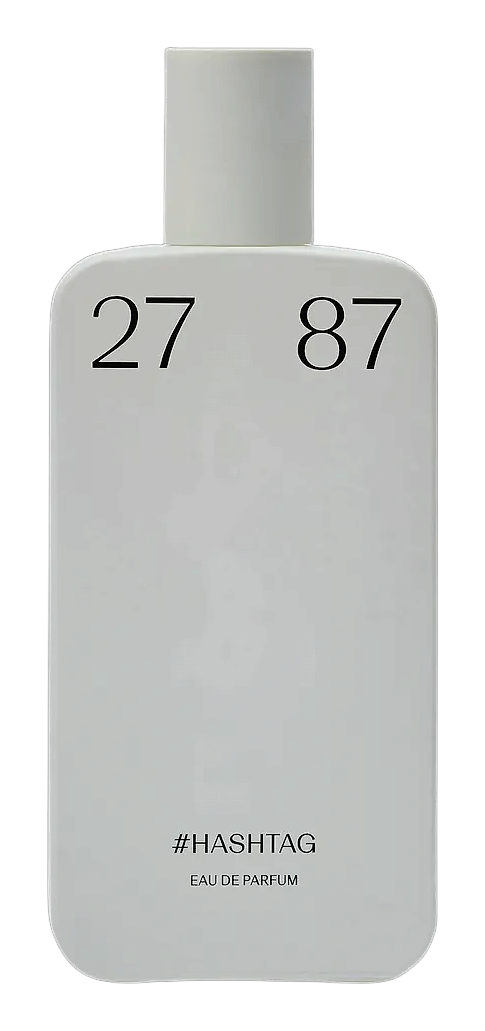
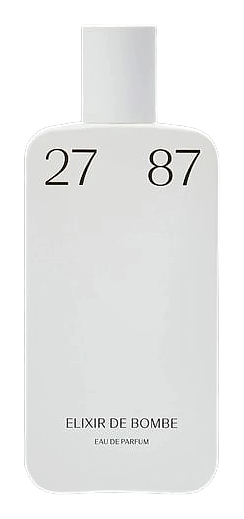
    Brand founded by Romy Kowalewski in Barcelona; Wandervogel, Elixir de Bombe, and #Hashtag released

    2017

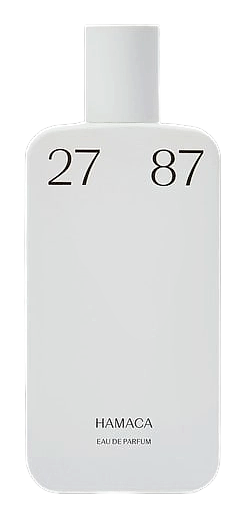
    Hamaca added to the catalog, expanding the brand's olfactory range

    2018

    Genetic Bliss released, becoming one of the label's most discussed compositions

    2019

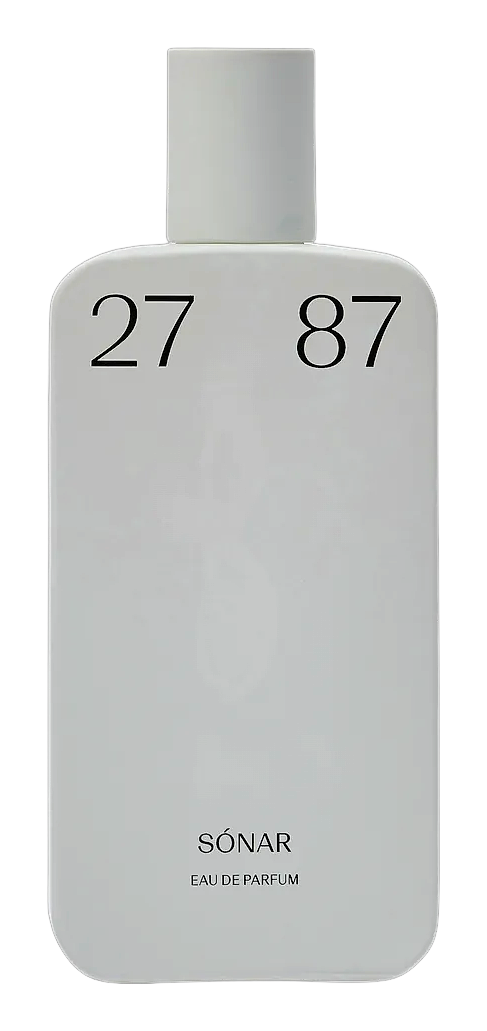
    Sónar introduced, referencing the Barcelona electronic music festival

    2021

    Flâneur launched, exploring themes of urban wandering and observation

    2023

    Per Se and Mosaïque released in close succession, demonstrating continued creative output

    At a Glance

    Brand profile snapshot

    Origin

    Spain

    Founded

    2016

    Heritage

    10

    Years active

    Collection

    6

    Fragrances released

    Avg Rating

    3.6

    Community sentiment

    Release Rhythm

    2025
    2
    2023
    3
    2021
    1
    2019
    1
    2018
    1
    2017
    1
    2016
    3
    2787.es

    Did You Know?

    Interesting Facts

    Distinctive details and defining moments that shape the house personality.

    01

    The brand name directly references founder Romy Kowalewski's birthdate, transforming a personal detail into the public identity of the house

    02

    27 87 was founded when Kowalewski was reportedly just 26 years old, making her a young entrant in the independent perfumery world compared to many peers who launch later in career

    03

    The brand operates without a house perfumer, instead functioning as creative director and working with external collaborators for formulation

    04

    Sónar (2019) shares its name with the influential Barcelona electronic music and digital arts festival, suggesting cultural ties to the city's creative scene

    05

    The founding year of 2016 means 27 87 emerged during a period of rapid growth in independent and niche perfumery globally