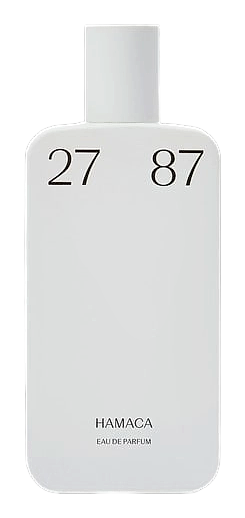

The Story
Why it exists.
The beginning
For Hamaca, Shyamala Maisondieu arrived at a composition built on a single tension: cool marine against warm vanilla. The name says it all, a hammock strung between two posts, the body suspended in the space between them. Not aquatic, not gourmand. Neither cool nor warm alone. The interplay begins with the marine element, that sharp, almost metallic edge that evokes the mineral tang of sea air meeting sun-warmed skin. It doesn't overwhelm but rather establishes a boundary, a cool line drawn against the encroaching warmth. Coconut arrives next, soft and creamy, not the sharp coconut of pure extract but the rounded, sun-kissed quality of something already worked into skin, part of the landscape rather than applied to it.
What makes Hamaca work is that nothing fights for attention. The aquatic note doesn't perform, it opens quiet, almost disappearing against warm skin before the coconut and sandalwood arrive to build a mid-section that feels like afternoon sun on bare shoulders. The vanilla doesn't crash the composition; it exhales slowly, working in tandem with tonka to extend the drydown into something intimate and close. Tonka bean at the base is often used for sweetness, but here it does something different, it grounds the coconut, keeps the cream from reading like a dessert. Sandalwood does the same work: warm, woody, it stops the composition from floating off into the atmosphere.
The evolution
The opening announces itself with marine, cool, slightly metallic, the smell of waves retreating from warm stone. Coconut arrives shortly after, soft and creamy, smoothing over the salt like sunblock on skin. The sandalwood follows, earthier than expected, keeping the coconut honest. Vanilla creeps in quietly, not loud but insistent, and the tonka anchors everything into a warm, powdery drydown that reads as skin-warm rather than perfume-warm. What remains is close and intimate, vanilla and tonka, barely there, the ghost of an afternoon swim. On clothing, it lingers longer. On paper, the marine persists longer than expected, the salt refuses to leave entirely, which is exactly the point. The marine note in the top serves as a cool counterweight, preventing the warmth from ever becoming overwhelming.
Cultural impact
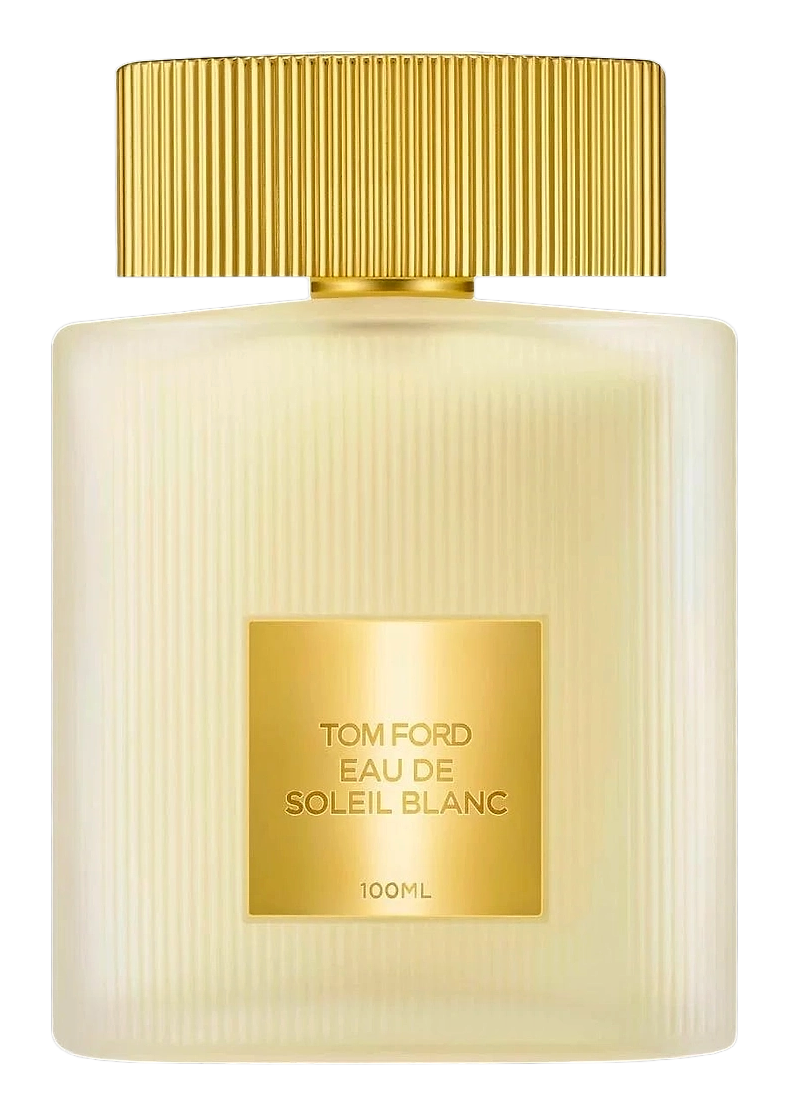
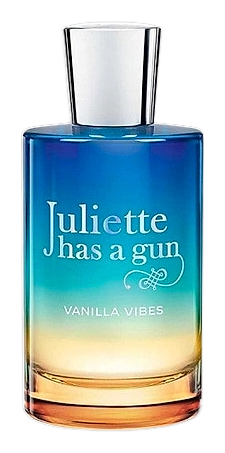
Hamaca occupies an interesting position in the contemporary niche landscape, neither fully aquatic nor fully gourmand, it finds the tension between those two poles rather than committing to either. It's been compared to Soleil Blanc and Vanilla Vibes, fragrances that also blend sweetness with freshness, but Hamaca's marine note keeps it earthier than either of those. The cool marine keeps the sweetness from becoming cloying while the warm notes keep the marine from feeling too sharp or clinical. Worn by people who want presence, not projection.
The House
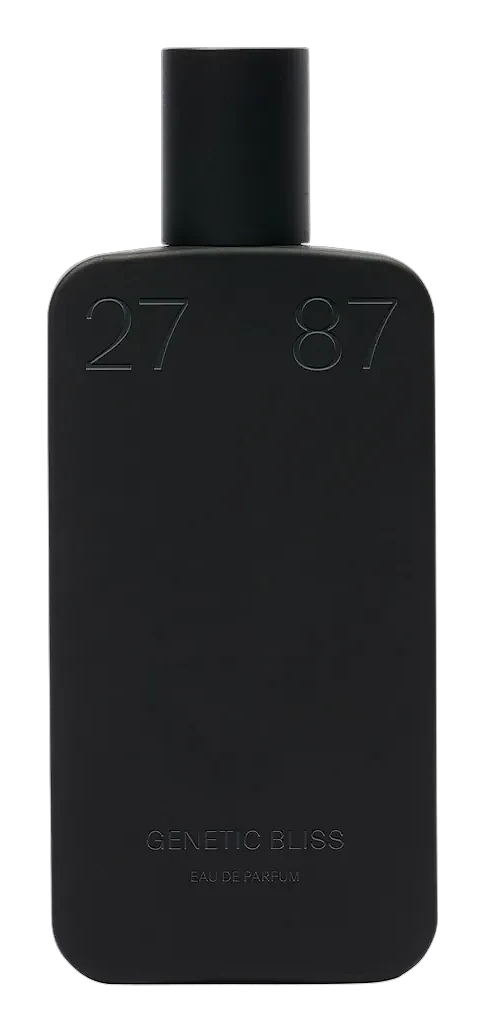
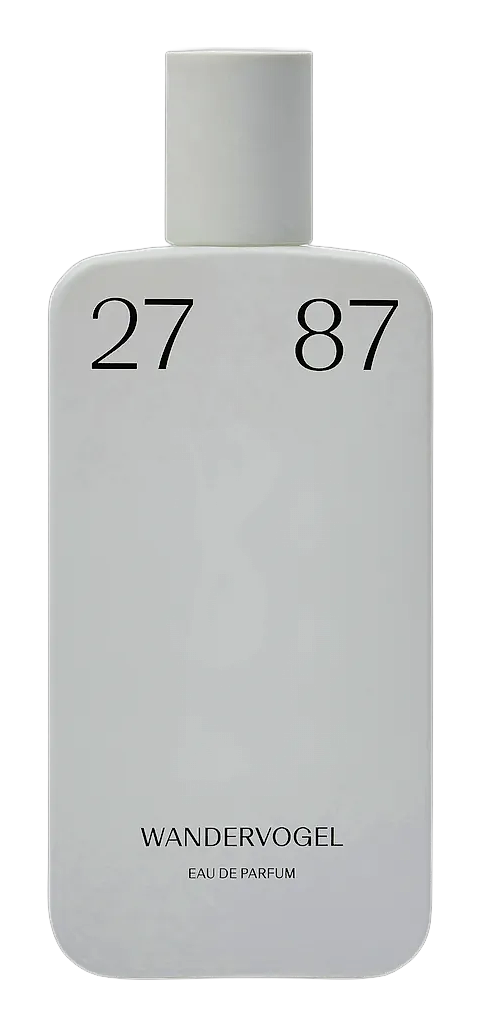
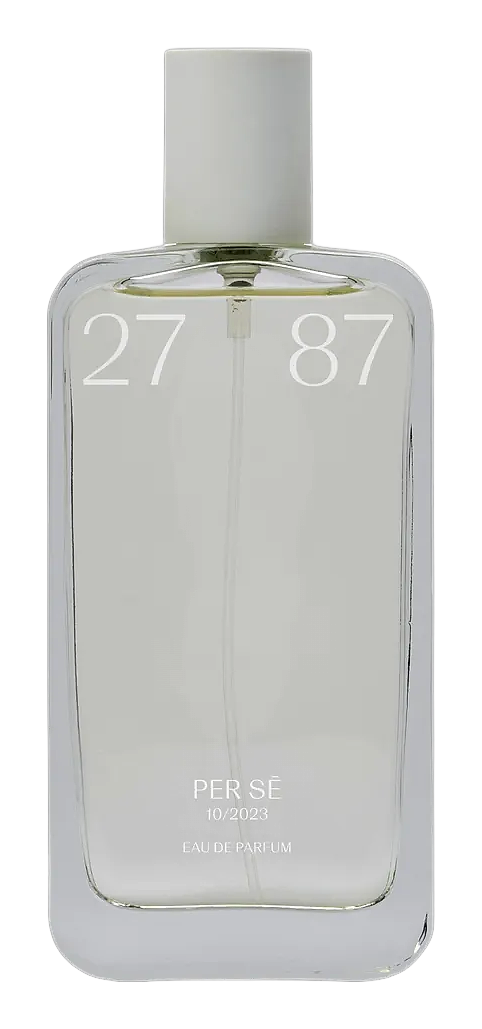
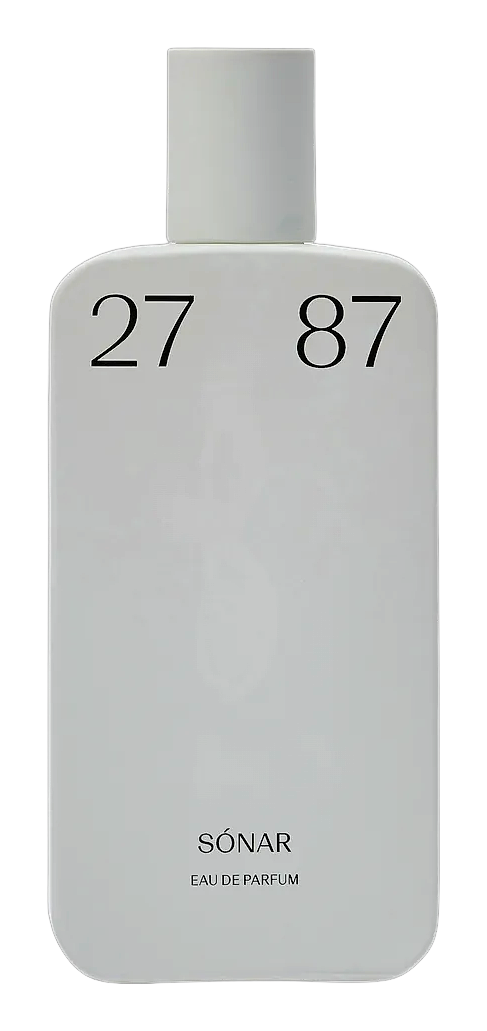
27 8727 87 is an independent fragrance house based in Barcelona, Spain, founded in 2016 by Romy Kowalewski. The brand takes its name from her birthdate, a personal anchor that grounds its broader creative mission in the present moment. Known for its contemporary, gender-inclusive compositions, the label creates scents designed not as nostalgic anchors or memory triggers, but as companions to lived experience. The collection spans olfactory territories from aromatic to resinous, with notable works including Wandervogel (2016), Genetic Bliss (2018), Sónar (2019), Flâneur (2021), and Per Se (2023). Each fragrance arrives in a signature bottle that reflects the brand's commitment to minimalist, geometric design. Operating without a house perfumer, 27 87 works with external industry collaborators to develop its progressive formulations, maintaining flexibility and creative curiosity across its expanding catalog.
The Creator
Shyamala MaisondieuHer olfactive signature is dramatic and romantic, with a poetic inventiveness that sets her apart. She has a particular affinity for iris, a notoriously difficult and expensive material that appears frequently in her creations.