The Story
Why it exists.
The beginning
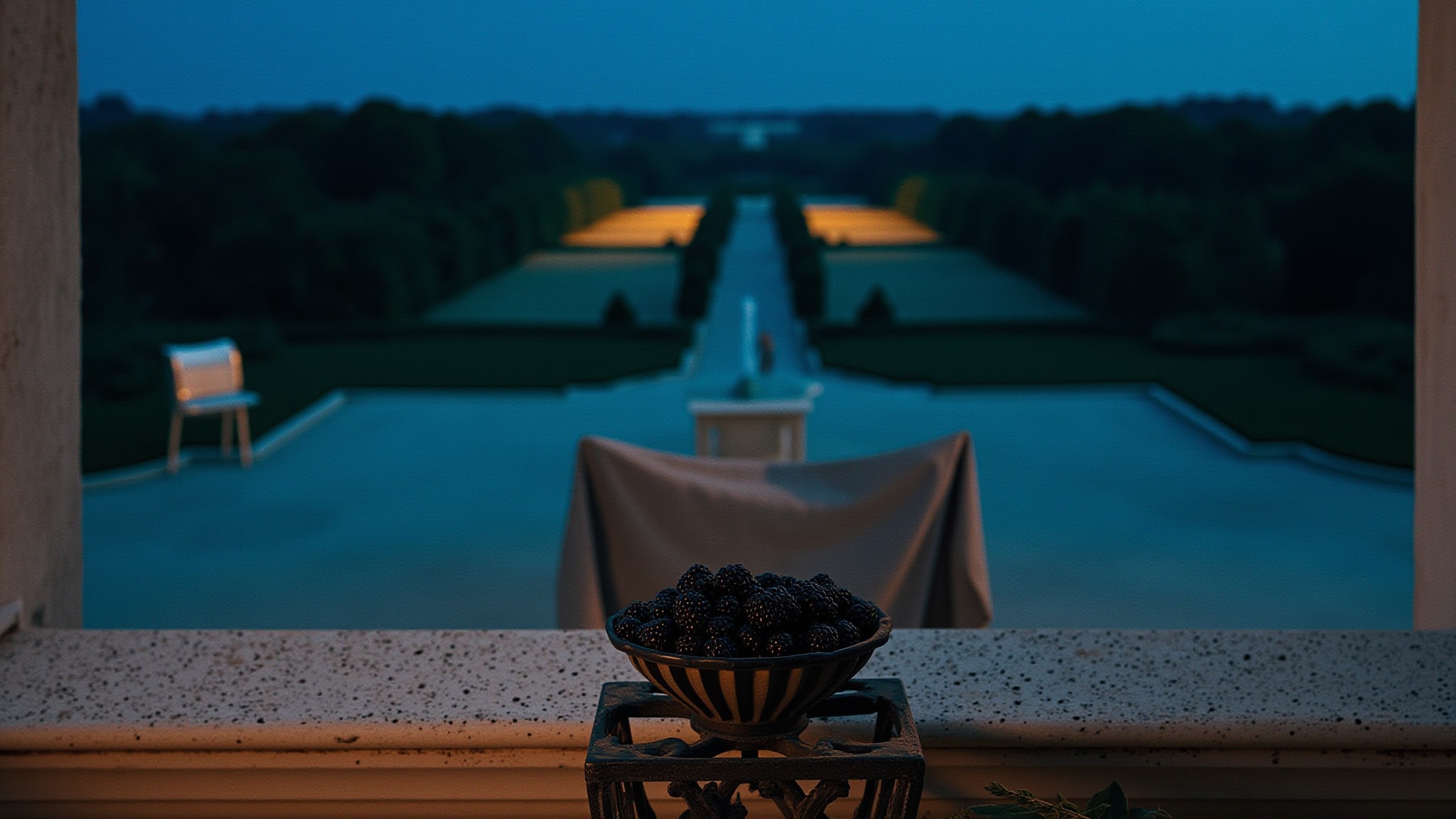
Palais Royal takes its name from one of the most storied gardens in Paris, a courtyard of arcades and linden alleys a stone's throw from the Louvre, where 17th-century buildings still rise above fountains and flowerbeds. The garden has always held a contradiction: formal in layout, quietly alive in spirit. Les 12 Parfumeurs Français found that tension irresistible. Rather than a fragrance about royalty or history, they wanted something that captured what it feels like to walk through the garden in late afternoon, the way the light changes, the way the noise of the city fades just enough to matter. The name anchors the composition in a specific place. The fragrance itself lives in a specific mood.
What makes Palais Royal work is the way its heart breaks from expectation. Fig is an unusual lead in a heart, more often used as a background note, a whisper of milk and green. Here it stands forward, unapologetic, lending a quality that keeps the rose from becoming precious. Cedar does not offer warmth so much as height, a verticality that lifts the composition instead of grounding it. Plum brings the sweetness, but it is a dark sweetness, more like skin-warmed fruit than fresh fruit on a market stall.
The evolution
The opening is a controlled brightness, blackcurrant and bergamot arrive without fanfare, clean and tart, the kind of citrus that does not demand you pay attention. Within the first hour, the hand-off begins. The bergamot softens; the blackcurrant recedes into the background. Fig rises to meet it, and suddenly the composition reads green instead of fruity. The cedar becomes perceptible as a structural element, it changes how the whole thing smells. The rose arrives last, drifting in like afternoon light through the trees. It does not shout. It does not need to. By the time vetiver and musk settle into the base, the fragrance has become something quieter than it started, intimate, slightly powdery, the kind of scent another person discovers only when they are close. On fabric, it lingers into the next morning as a soft skin-memory.
Cultural impact
Palais Royal exists at a fascinating intersection of French perfumery heritage and modern niche fragrance culture. The launch by Les 12 Parfumeurs Français reflects a broader movement in perfumery where collective creative models offer an alternative to established industry structures. By naming the fragrance after a historic French royal garden rather than a specific scent profile, the collective creates a different kind of relationship between wearer and perfume. This naming strategy invites the wearer into a narrative that extends beyond the fragrance itself, connecting individual experience to a larger cultural story.