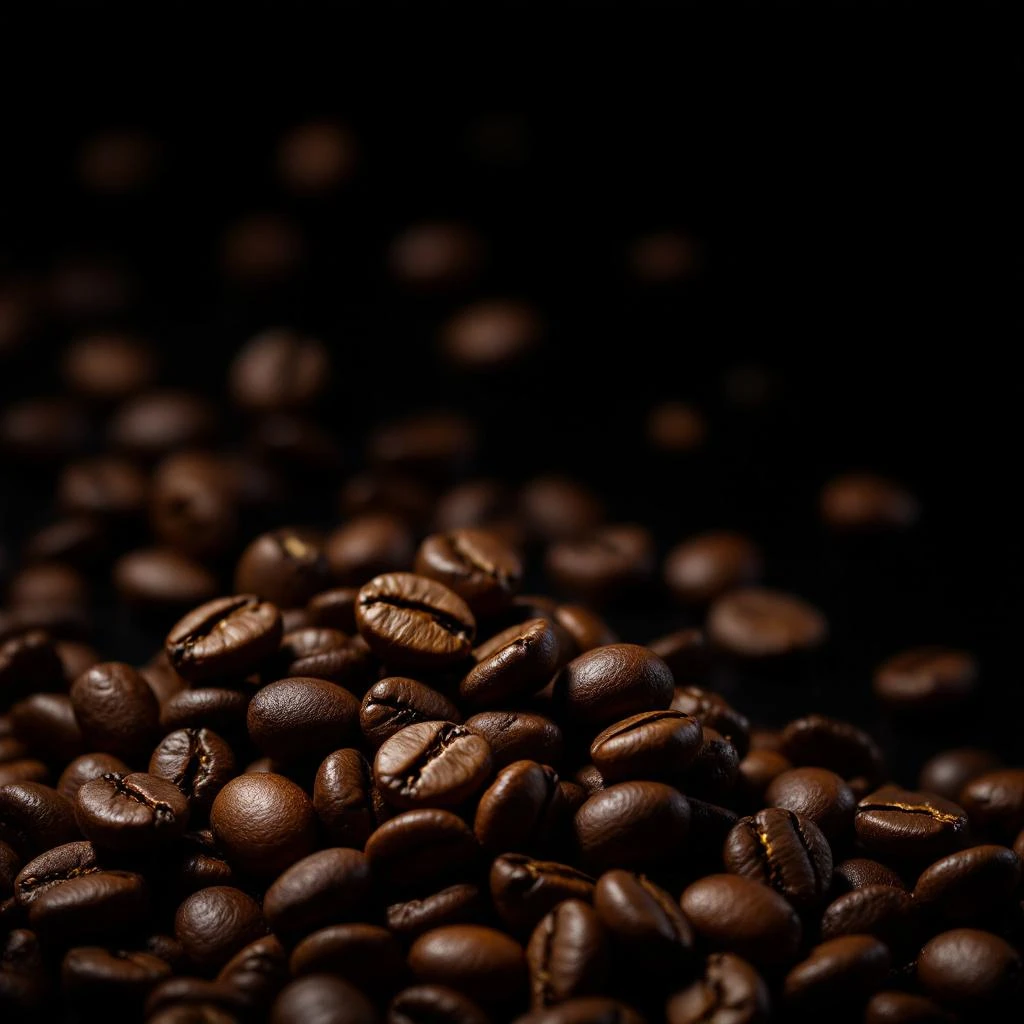
Yemenite Honey
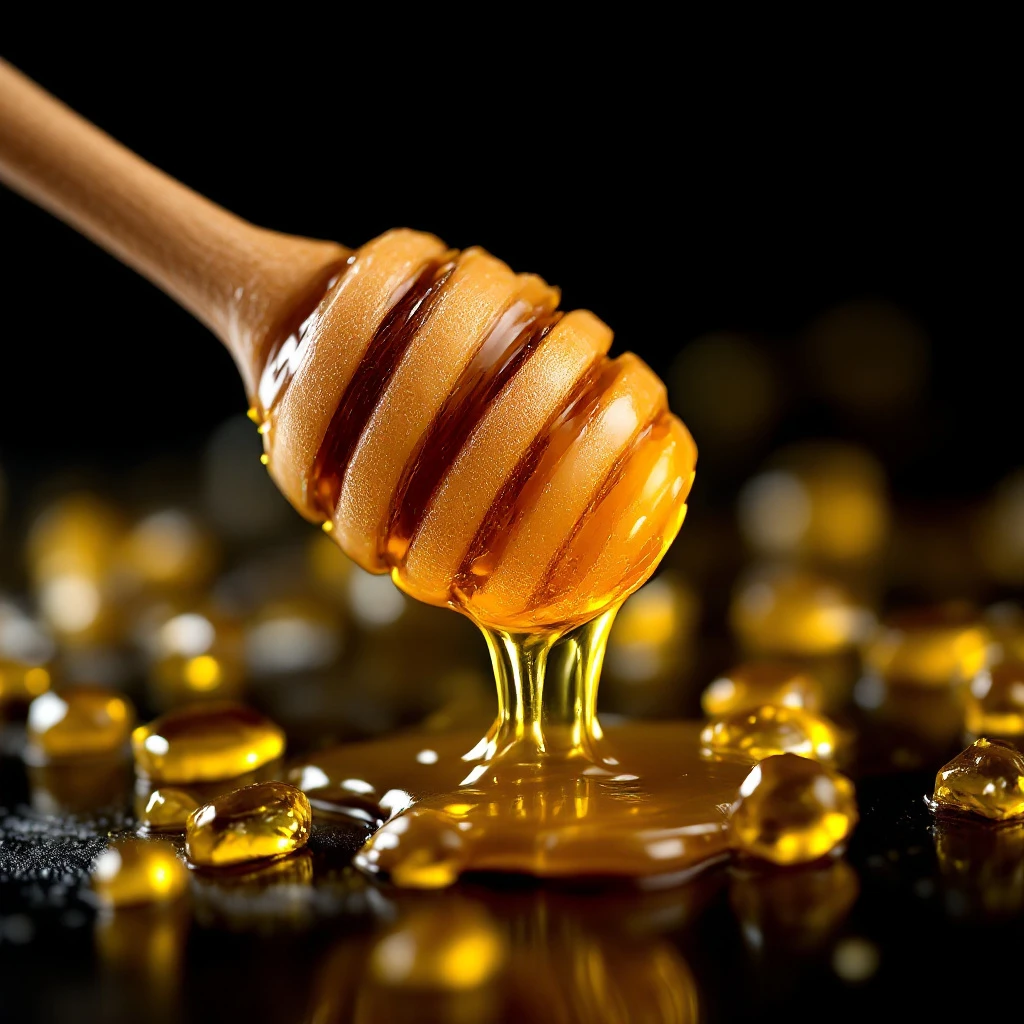
Yemenite honey captures the aromatic soul of Arabian landscapes where ancient sidr trees and mountain wildflowers still flourish, producing a sweetness prized since biblical times. Rare and complex, it remains among the world's most coveted natural materials.
Character
How it smells
Ancient Arabian sweetness from the land of Sheba.
Yemen's honey production collapsed from 2.6 million tons in 2013 to roughly 1,500 tons by 2023 due to conflict.
Pairs beautifully with




Origin
Yemen
Yemenite beekeeping traces to the tenth century BCE, with historical references placing Yemen's honey in Solomon's time and among the trade goods that built Arabian prosperity. Ancient texts confirm Yemeni honey traveled the incense route alongside frankincense and myrrh, reaching Egyptian pharaohs and Mesopotamian courts.
The Sidr tree of Yemen's highlands provided the most prized varietal, renowned across the ancient world. Yemen occupied a crucial junction on trade networks connecting East Africa, Arabia, and the Mediterranean, and its honey commanded premium prices.
The Islamic Golden Age brought refinements in distillation and extraction that would eventually influence how perfumers work with natural materials. Despite modern challenges including conflict that devastated production, Yemenite honey maintains its ancient reputation as a material of exceptional character and rarity.
Wears it best
Fragrances featuring Yemenite Honey
Brands
Brands known for Yemenite Honey
Good to know
Questions, answered
The essentials on Yemenite Honey in perfumery: how it smells, where it comes from, and how it behaves on skin.
What does Yemenite honey smell like in fragrance?
Yemenite honey in perfumery delivers deep amber warmth with caramel undertones and a subtle resinous quality. Sidr varietals add floral complexity uncommon in other honey sources.
How does perfumery use Yemenite honey?
Perfumers extract honey's aromatic compounds via solvent extraction to create absolute. Natural material appears mainly in niche fragrances; most commercial perfumes use synthetic honey molecules for consistency.
Is natural Yemenite honey still available for perfumery?
Yemen's honey production fell from 2.6 million tons in 2013 to roughly 1,500 tons in 2023 due to conflict, making authentic Yemenite honey absolute exceptionally rare.
Why is Yemenite honey considered special?
Yemen's indigenous flora, particularly the sidr tree and highland wildflowers, produces honey with aromatic complexity unmatched by other regions. The floral terroir creates distinctive character.
Can synthetic honey replicate Yemenite honey?
Synthetic honey molecules like phenylacetaldehyde and honeytane capture specific facets, but no synthesis replicates the full aromatic spectrum of genuine Yemenite honey.
What role did Yemen play in ancient perfumery?
Yemen sat along the incense route, trading honey alongside frankincense and myrrh to Egypt and Mesopotamia. Honey was so valuable it functioned as currency in ancient Yemen.
When did Yemenite beekeeping begin?
Yemenite honey production dates to the tenth century BCE, making it one of the oldest documented honey traditions. Ancient texts reference Yemeni honey during Solomon's era.
What affects Yemenite honey availability today?
Ongoing conflict devastated Yemen's beekeeping infrastructure. The dramatic production decline from 2013 to 2023 reflects broader instability affecting traditional craft traditions.