Yellow Violet
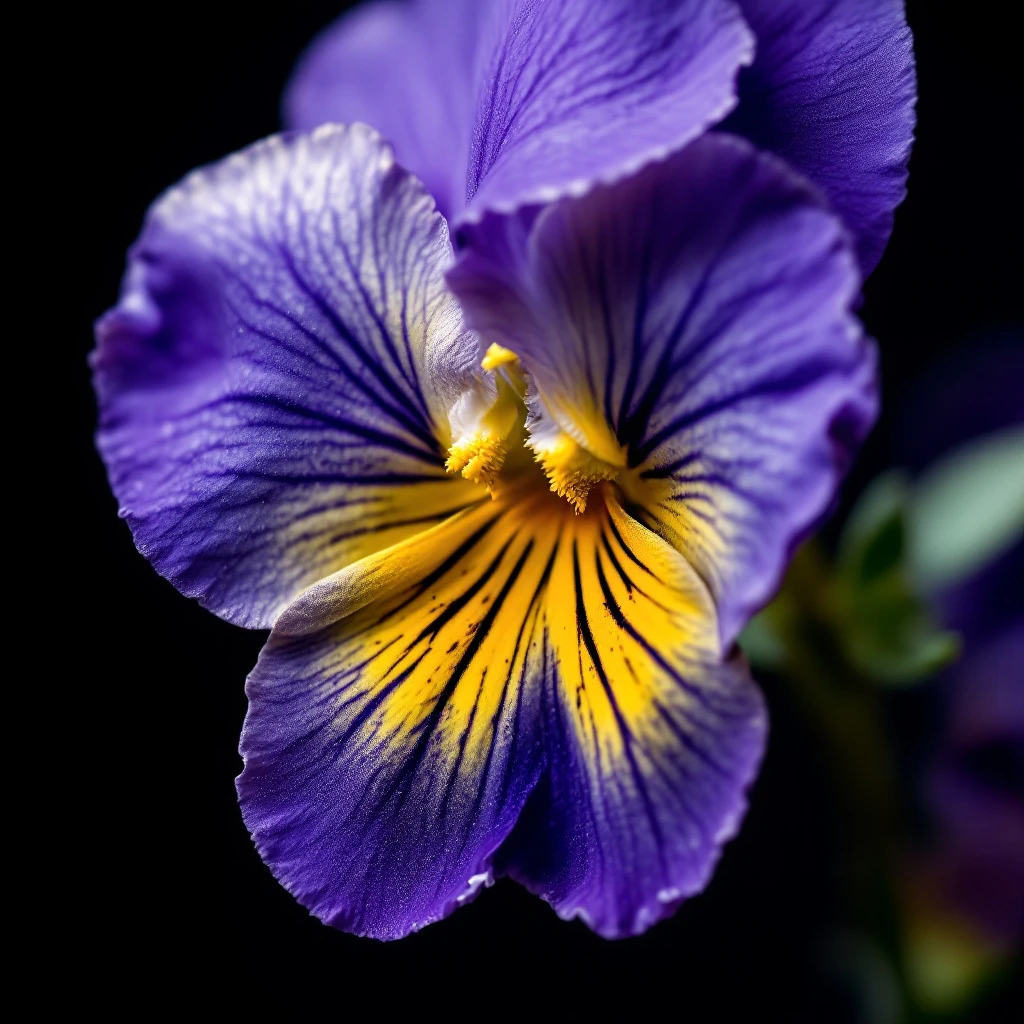
Yellow violet absolute captures the lesser-known facet of the violet plant, offering a warm, green-floral signature that bridges the familiar powdery sweetness of violet with sunnier, more expansive qualities.
Character
How it smells
A sunlit facet of the violet.
Before 1893, producing violet essence required over 33,000 kg of flowers to yield usable amounts, making violet among the rarest fragrance materials of the era.





Origin
France
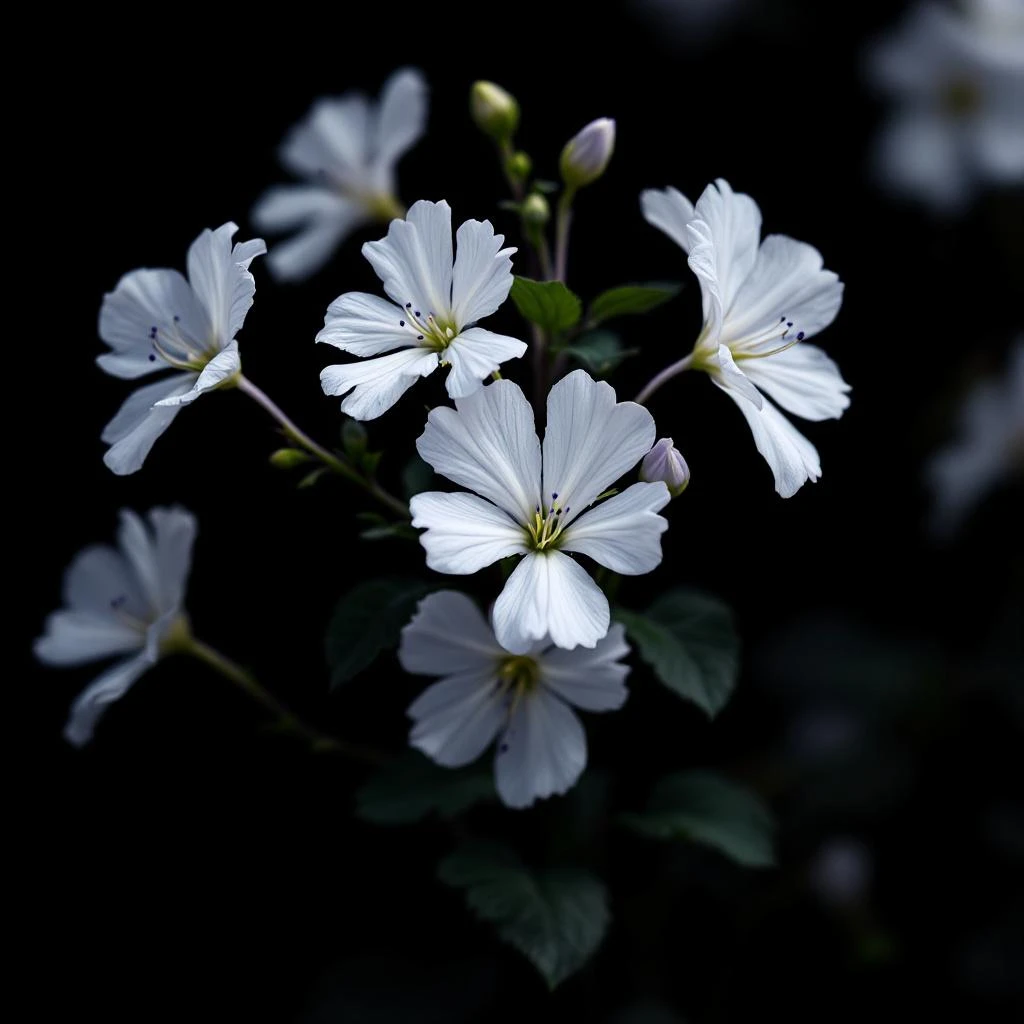
The violet's rise as a perfumery ingredient traces to Grasse, where violet fields bloomed at scale beginning in 1867. Early perfumers employed enfleurage, pressing flower petals into cold fats to capture their fleeting scent.
The process was extraordinarily labor-intensive, and violet absolute commanded prices reserved for the finest establishments. The pivotal change arrived in 1893 with the patent of ionone, a synthetic aroma chemical that replicated violet's signature character at accessible cost.
While ionone democratized violet fragrance broadly, the natural yellow violet absolute retained its place as a refined, underused material with a warmth and botanical authenticity that synthetic counterparts have never fully replaced. Its history remains quietly intertwined with the broader violet narrative, a nuanced chapter largely overshadowed by the synthetic breakthrough.
Wears it best
Fragrances featuring Yellow Violet
Brands
Brands known for Yellow Violet
Good to know
Questions, answered
The essentials on Yellow Violet in perfumery: how it smells, where it comes from, and how it behaves on skin.
What makes yellow violet absolute different from violet blossom absolute?
Yellow violet absolute comes from the plant's leaves and stems, not its flowers. The result is a warmer, greener profile with woody undertones, whereas blossom absolute delivers the classic powdery, floral character most people associate with violet.
Is yellow violet a natural or synthetic ingredient?
It is a natural material obtained through solvent extraction of the violet plant. However, its use is often supplemented in compositions by ionone, the synthetic aroma chemical discovered in 1893 that mimics violet's characteristic scent.
What does yellow violet absolute smell like?
The absolute presents green, slightly woody facets with a honeyed warmth beneath. It lacks the pronounced powdery sweetness of violet blossom absolute and instead offers a more grounded, botanical character that pairs well with floral and chypre structures.
Why is violet considered historically significant in perfumery?
Before synthetic alternatives emerged, violet essence required over 33,000 kilograms of flowers to produce usable quantities. The discovery of ionone in 1893 fundamentally changed violet's accessibility, transforming it from an ultra-luxury material into an industry staple.
Where does yellow violet absolute originate?
Production centers on southern France, particularly the Grasse region, which established violet cultivation on an industrial scale in 1867. The region's climate and expertise made it the historical capital of violet fragrance production.
Is yellow violet absolute widely used in modern perfumery?
It remains a specialty ingredient rather than a mainstream choice. Its cost and limited availability mean perfumers reserve it for formulations where its warm, green depth adds a distinctive botanical quality that synthetic violet materials cannot replicate.
Does yellow violet appear in perfumery as a top, heart, or base note?
It functions primarily as a heart-note material, lending depth and complexity to floral compositions. Its subtle projection makes it most effective in the middle stage of fragrance development, where it supports brighter top notes and anchors base accords.
How does yellow violet compare to orris as a luxury perfume ingredient?
Both rank among perfumery's more exclusive natural materials, but orris root demands three years of curing and commands significantly higher prices. Yellow violet absolute offers a more accessible point of entry to rare botanical perfumery while retaining comparable artisanal cachet.


