Yeast
Microbes are rewriting perfumery's rules. Scientists engineer yeast to produce fragrance compounds mirroring nature's rarest botanical notes.
Character
How it smells
The tiny organism transforming fragrance
Engineered yeast can recreate scents from extinct flowers no longer found in nature.



Origin
Laboratory origin
While yeast has partnered with humanity in food and drink for millennia, its application in perfumery represents a distinctly 21st-century development. The convergence of synthetic biology, genetic engineering, and fragrance chemistry created this new frontier during the 2010s.
Researchers at leading institutions began exploring how microorganisms could replace conventional agriculture as fragrance ingredient sources. The appeal was immediately apparent: yeast cultures reproduce rapidly, thrive on simple sugars, and can be precisely engineered to produce complex aromatic molecules that would otherwise require extensive farmland to cultivate.
This marked a significant departure from centuries of perfumery practice that relied on plant extraction and petrochemical synthesis. Today, biotechnologically produced yeast compounds represent the cutting edge of sustainable fragrance innovation, granting perfumers access to rare and even extinct materials without environmental compromise.
Wears it best
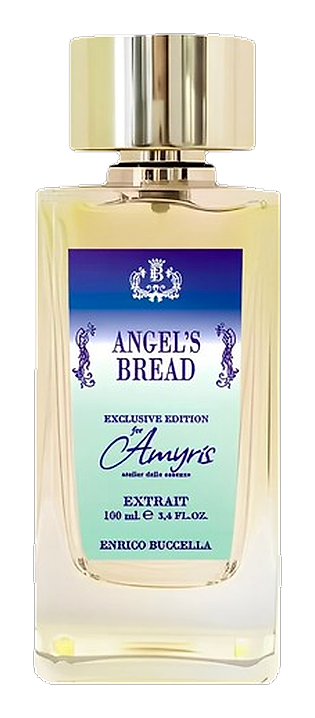
Fragrances featuring Yeast
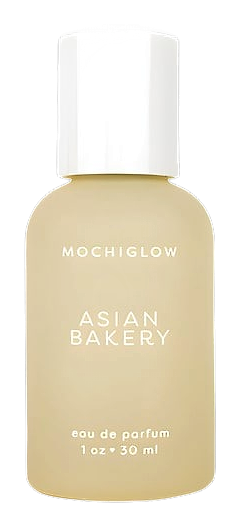
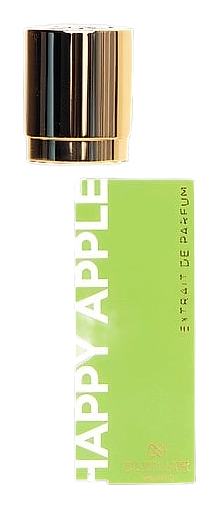
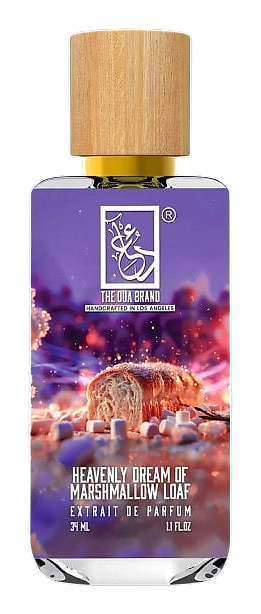
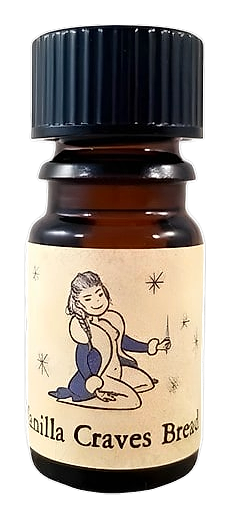
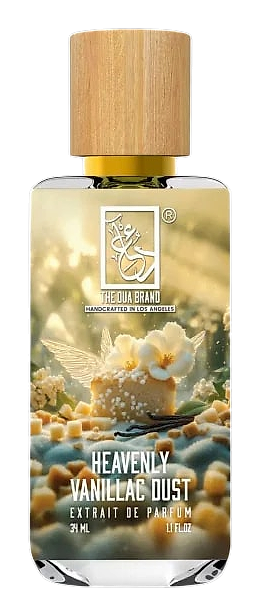
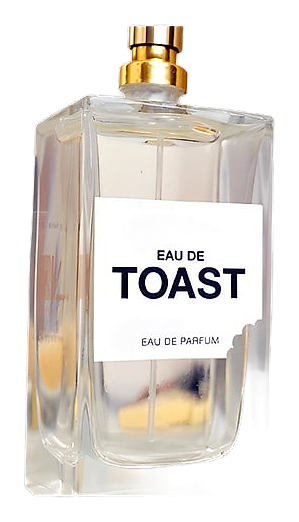
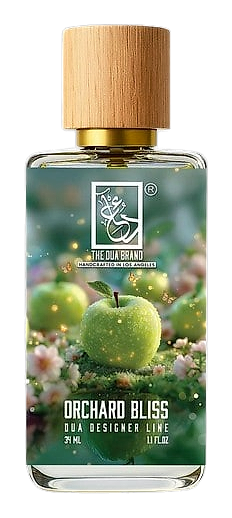

Brands
Brands known for Yeast
Good to know
Questions, answered
The essentials on Yeast in perfumery: how it smells, where it comes from, and how it behaves on skin.
What role does yeast play in modern perfumery?
Yeast functions as a biological production platform. Scientists engineer yeast strains to synthesize aromatic compounds that mirror natural plant molecules, offering an alternative to traditional extraction methods.
How does yeast produce fragrance compounds?
Through genetic engineering. Researchers insert plant genes into yeast DNA. The modified yeast then metabolizes sugar into volatile aromatic molecules during fermentation.
Can yeast recreate extinct plant scents?
Yes. By extracting and inserting DNA from preserved plant specimens, scientists can program yeast to produce fragrance compounds from plants no longer found in nature.
Is yeast-derived fragrance considered synthetic?
The process is biotechnological rather than synthetic chemistry. The molecules produced are molecularly identical to their natural counterparts but created through biological rather than chemical synthesis.
Why choose yeast over growing plants for fragrance?
Efficiency and sustainability. Yeast cultures produce consistent yields without seasonal variation, disease risk, or the extensive land and water requirements of traditional agriculture.
What types of aromatic compounds can yeast produce?
Various compound classes including floral notes like rose and jasmine, fruity esters, and complex blends. Any compound with identified genetic pathways can theoretically be produced.
Is yeast-derived perfume safe to use?
The final fragrance contains no live yeast. Processing purifies aromatic compounds from the culture medium, leaving only isolated scent molecules suitable for cosmetic use.
When did yeast enter the fragrance industry?
Early 21st century. The technology emerged from synthetic biology research in the 2010s, with commercial applications in perfumery following shortly thereafter.