The Story
Why it exists.
The beginning
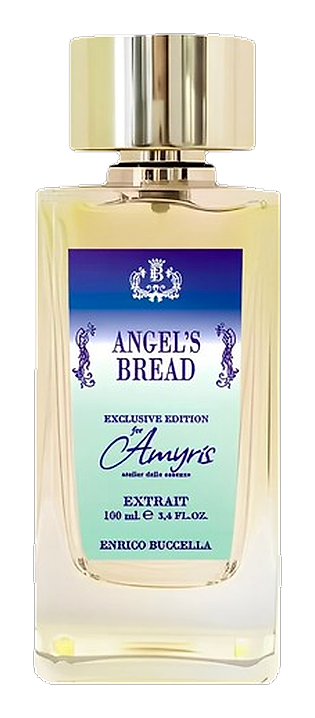
Angel's Bread is built around a specific proposition: what if the bread itself was the point? Not a sweet bakery accord, not a sugar-bomb that fades into a headache, but the honest, starchy warmth of something that just came out of the oven. The answer lives in the yeast. In this fragrance, yeast becomes the structural foundation rather than a background element. It keeps the vanilla from floating into pure sweetness, gives it weight and a quiet fermented edge that reads more like dough than dessert. The composition is built from the bottom up: vanilla, sugar, and a fermented note that informs how the whole structure sits on skin. The name says it all: angel's bread. Not angel's cake. Not angel's cookie. Bread. Earnest, warm, and made to be eaten.
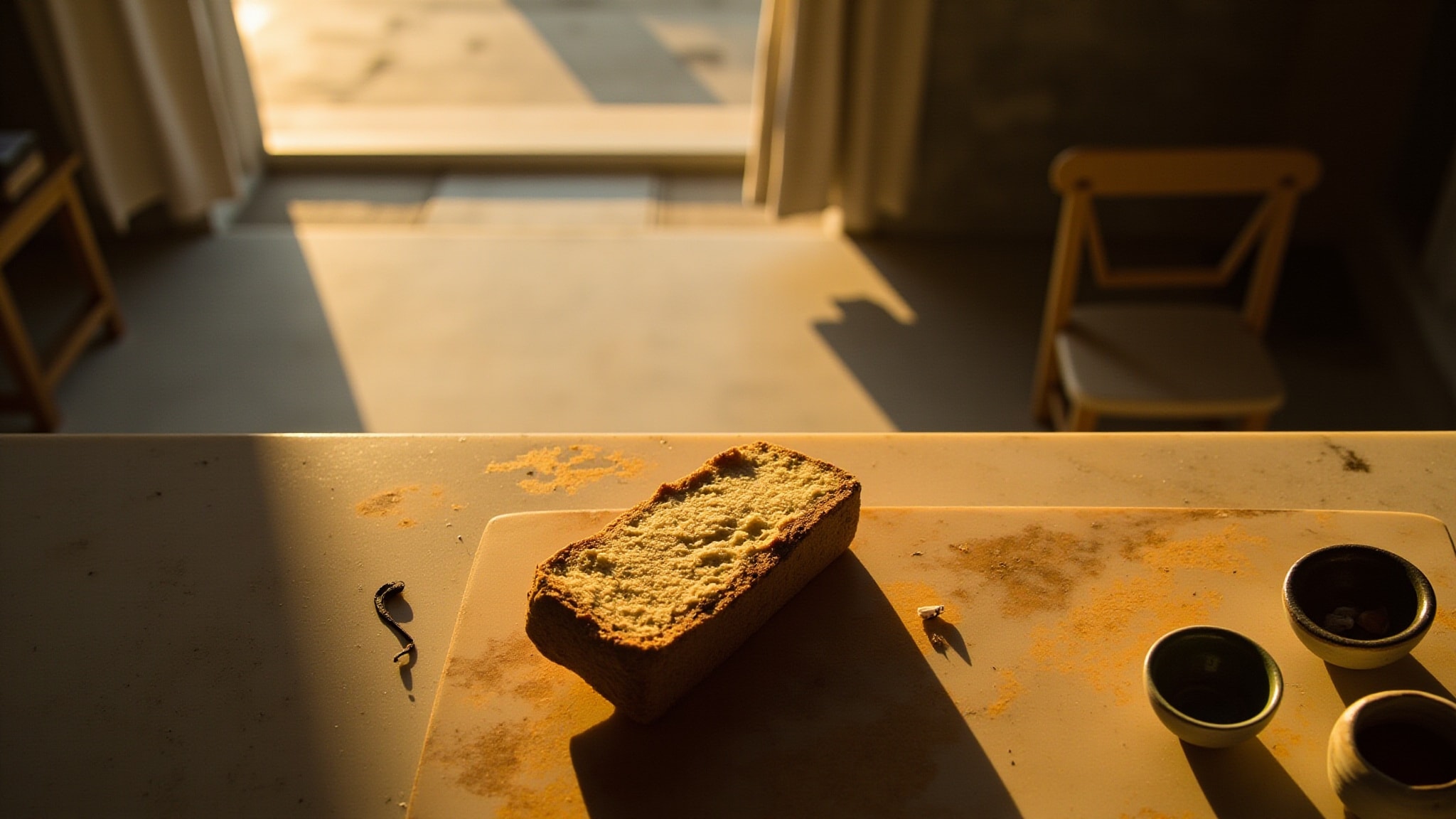
What makes Angel's Bread interesting is the decision to use yeast as a structural element. In this composition, yeast introduces a fermented, slightly starchy quality that keeps the vanilla grounded in something real. It prevents the sweetness from becoming abstract, giving the vanilla an anchor rather than letting it drift into pure confection. The sugar stays on the surface, dusty and powdery, the way sugar looks when it's been sifted over warm dough rather than dissolved into a syrup.
The evolution
It opens on a clean fermented note, the yeast reads as warmth first, then a subtle breadiness that's almost imperceptible until you know to look for it. Then the vanilla arrives. Not loud, not screaming, a soft, sweet wave that doesn't compete with the yeast so much as settle beside it. What you're smelling by the thirty-minute mark is closer to warm bread than to any dessert. The sugar adds a powdery sweetness, but it's the kind that sits close to the skin rather than projecting outward. By hour two, the composition has settled into its main character: vanilla bread dusted in powdered sugar, warm and intimate. The drydown is where this fragrance earns its name. The vanilla and sugar mingle on the skin, leaving a faint trace that smells like the inside of a bread bag, starchy, sweet, close. It doesn't fill a room.
Cultural impact
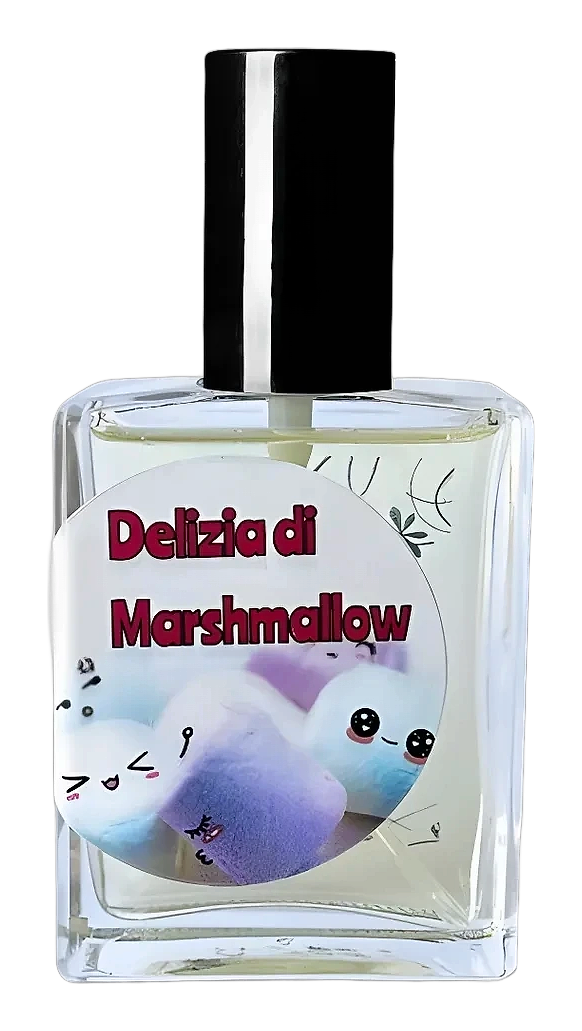
Angel's Bread occupies a particular corner of the niche gourmand world. It's sweet, but it refuses to be aggressive about it. The yeast note adds a fermented, starchy character that sets it apart from more straightforward sugary vanillas. Some draw comparisons to Delizia di Marshmallow for its sugary vanilla character, but the yeast-forward approach here creates something more bread-like. The fragrance invites those who might have dismissed vanilla fragrances to consider what this note can do beyond pure sweetness.