Wood Splint
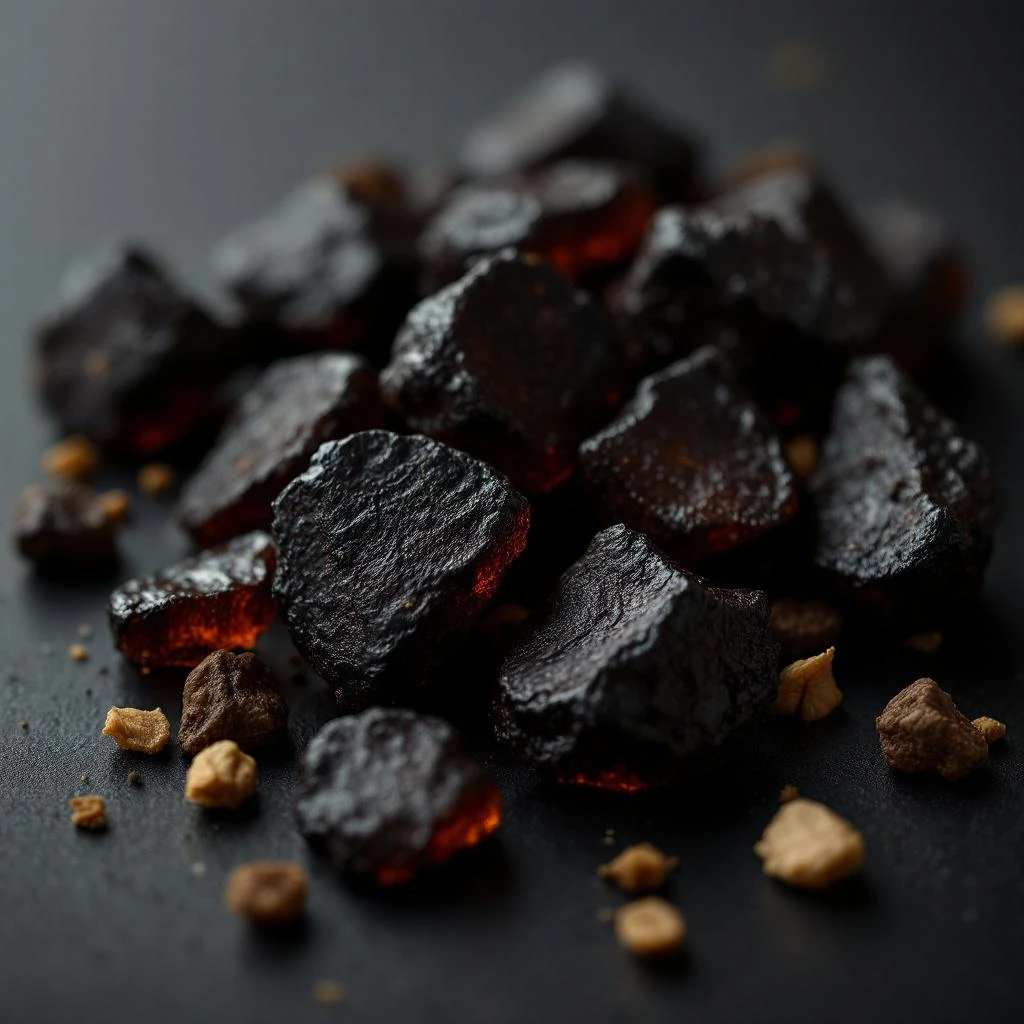
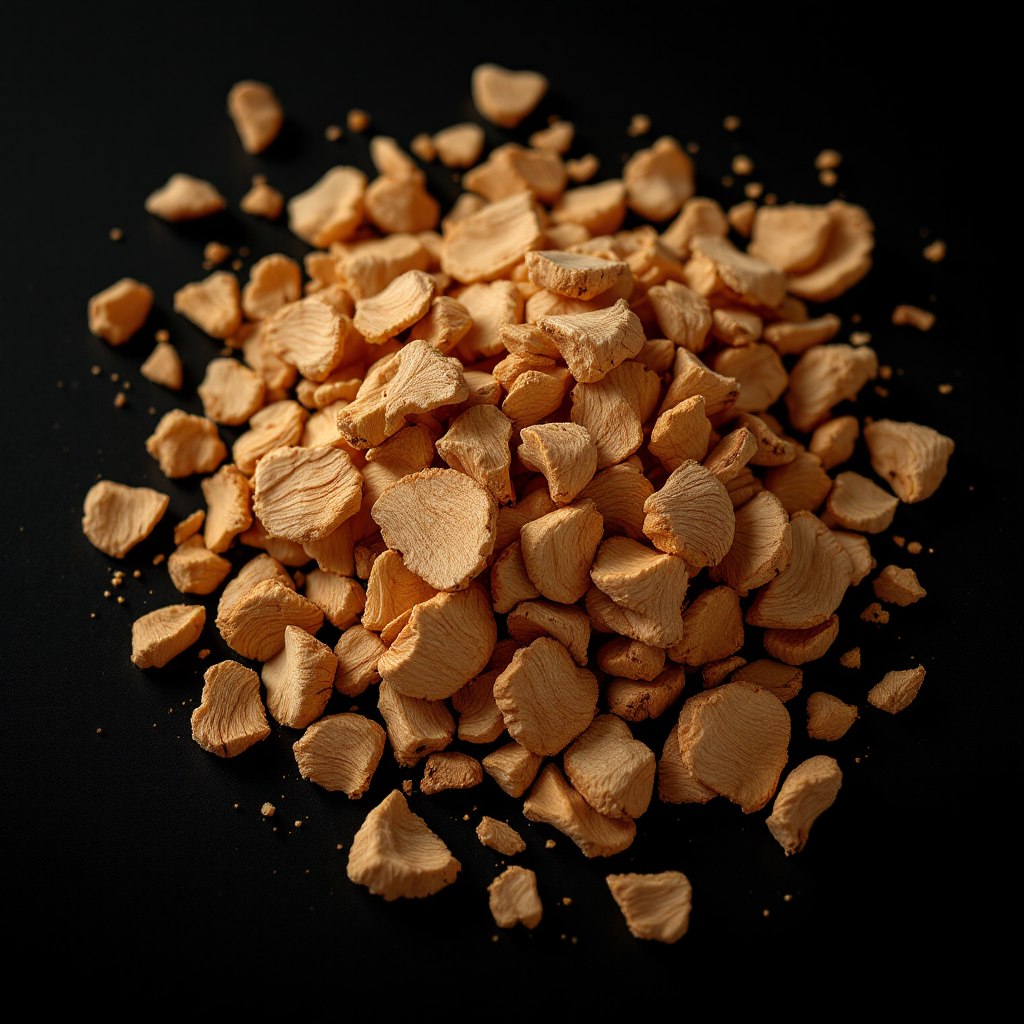
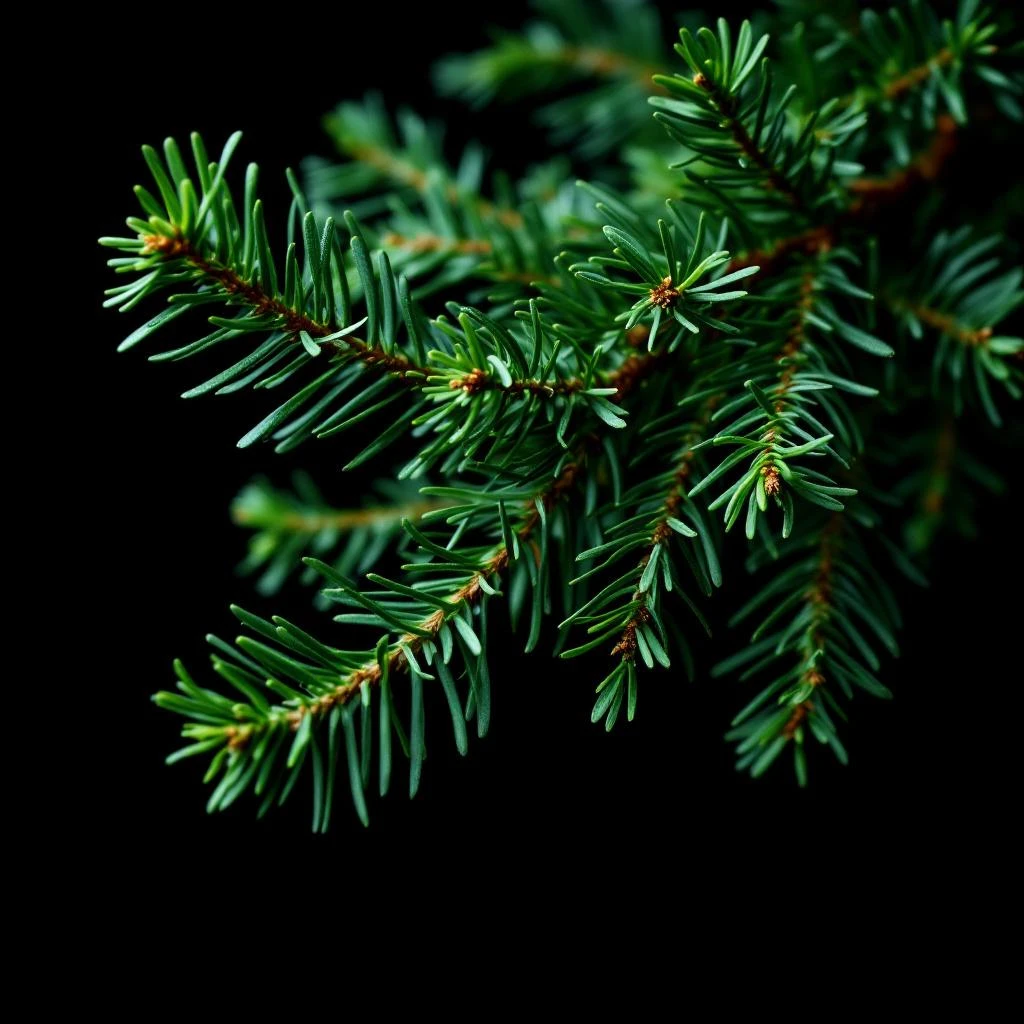
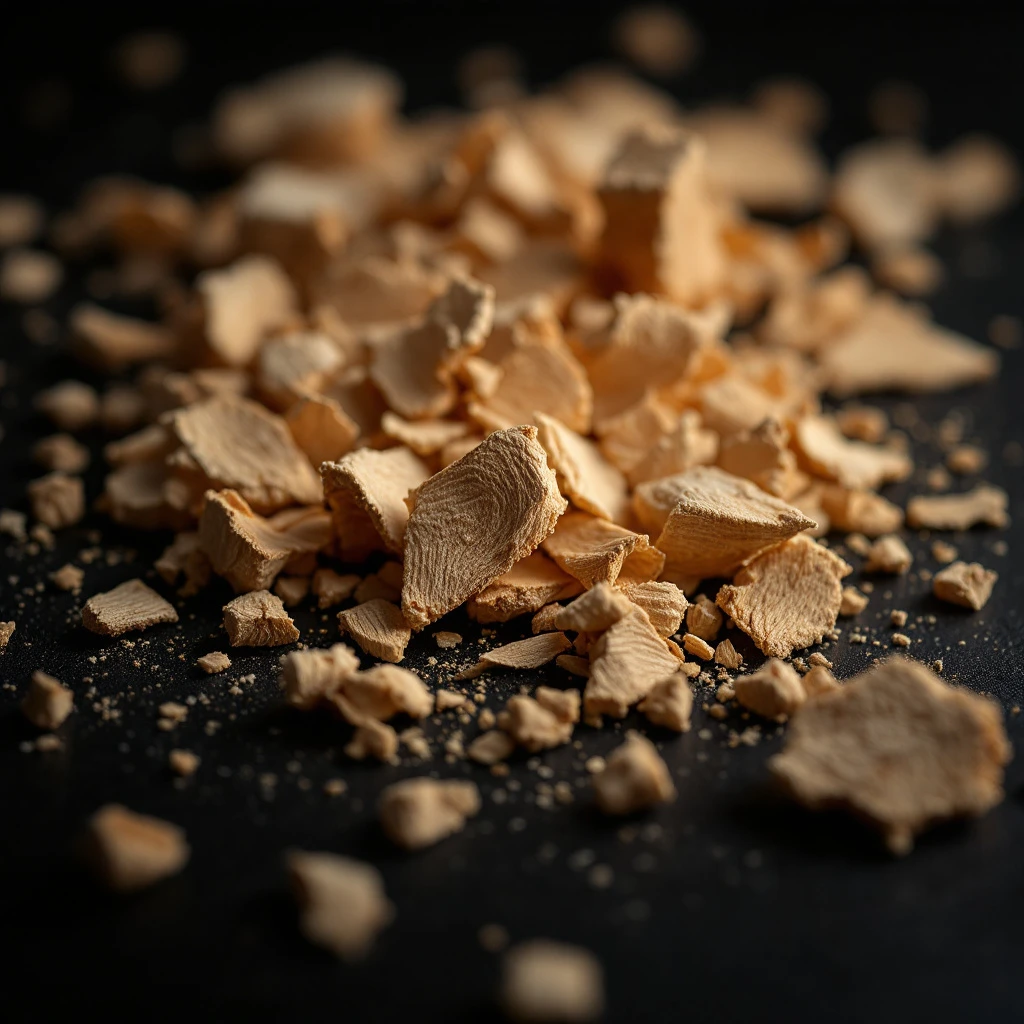
The raw, smoky heartbeat of perfumery. Wood splint captures the primal moment when flame meets timber, delivering an austere aromatic profile that anchors fragrances with ancient depth.
Character
How it smells
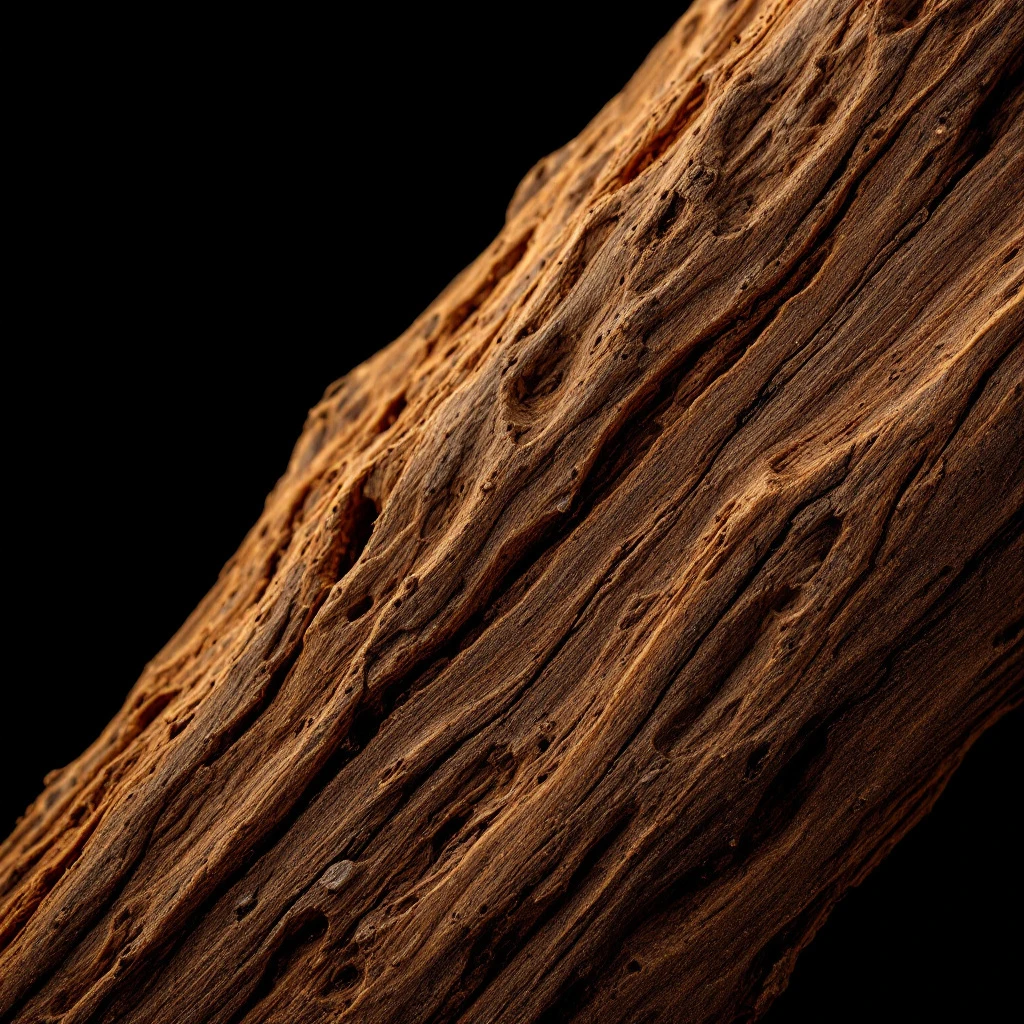
Smoke distilled into liquid memory.
Traditional Chinese medicine has used charred wood preparations for thousands of years, predating Western perfumery's embrace of smoke by millennia.


Origin
Mediterranean and Middle Eastern regions (historical origins)
The use of wood smoke in aromatic contexts stretches back to the earliest human cultures. Archaeological evidence from ancient Mesopotamia shows that burning wood and resins constituted the first form of perfumery, practiced roughly 4000 years ago. These ancient practitioners discovered that certain woods produced more pleasing smoke than others, beginning a centuries-long selection process that continues today. Egyptian culture adopted and refined these techniques, incorporating wood smoke into religious ceremonies and personal fragrance practices.
The ancient Egyptians burned cedar and cypress woods, recognizing their ability to mask unwanted odors while producing pleasing aromas. Medieval European perfumers inherited these traditions, developing new extraction methods to capture wood smoke's essence without direct combustion. The industrial revolution brought steam distillation techniques that revolutionized wood extract production. By the late nineteenth century, perfumers gained access to concentrated wood extracts that could be precisely measured and blended.
Today, wood splint materials occupy a specific niche in perfumery, valued for their ability to add depth and primal resonance to compositions across multiple fragrance families. Their historical journey from campfire to flask represents one of perfumery's most enduring aromatic traditions.
Wears it best
Fragrances featuring Wood Splint

Brands
Brands known for Wood Splint
Good to know
Questions, answered
The essentials on Wood Splint in perfumery: how it smells, where it comes from, and how it behaves on skin.
What does wood splint smell like?
Wood splint delivers a smoky, dry, and slightly ashy aroma with warm undertones. The scent is austere and primal, evoking embers and burned timber rather than fresh wood. It adds depth and grounding qualities to fragrance compositions.
Is wood splint a natural or synthetic ingredient?
Wood splint is naturally derived, extracted from dried wood through steam distillation or solvent extraction. Modern perfumery may supplement natural material with biotech-produced wood isolates for consistency.
How is wood splint different from other woody notes like cedar or sandalwood?
Unlike fresh woody notes, wood splint carries a charred, smoky character. Where cedar offers clean, pencil-shaving warmth, wood splint provides an austere, fire-kissed quality that speaks to combustion rather than standing timber.
What fragrance families use wood splint?
Wood smudge works across smoky, oriental, woody, and certain chypre compositions. Perfumers deploy it in both masculine and gender-neutral fragrances, typically as a heart or base component.
What is the historical origin of using wood in perfumery?
Burning wood for aromatic purposes dates to ancient Mesopotamia around 2000 BCE. Egyptian culture later refined these practices, using cedar and cypress smoke in religious and personal fragrance contexts.
Can wood splint be combined with other smoke notes?
Yes. Wood splint pairs effectively with incense, labdanum, and birch tar for intensified smoky effects. It also complements lighter florals by providing grounding contrast.
How should wood splint extracts be stored?
Store in airtight, dark glass containers away from heat and light. Properly stored extracts maintain potency for several years. Natural extracts may show sediment over time, which does not affect performance.