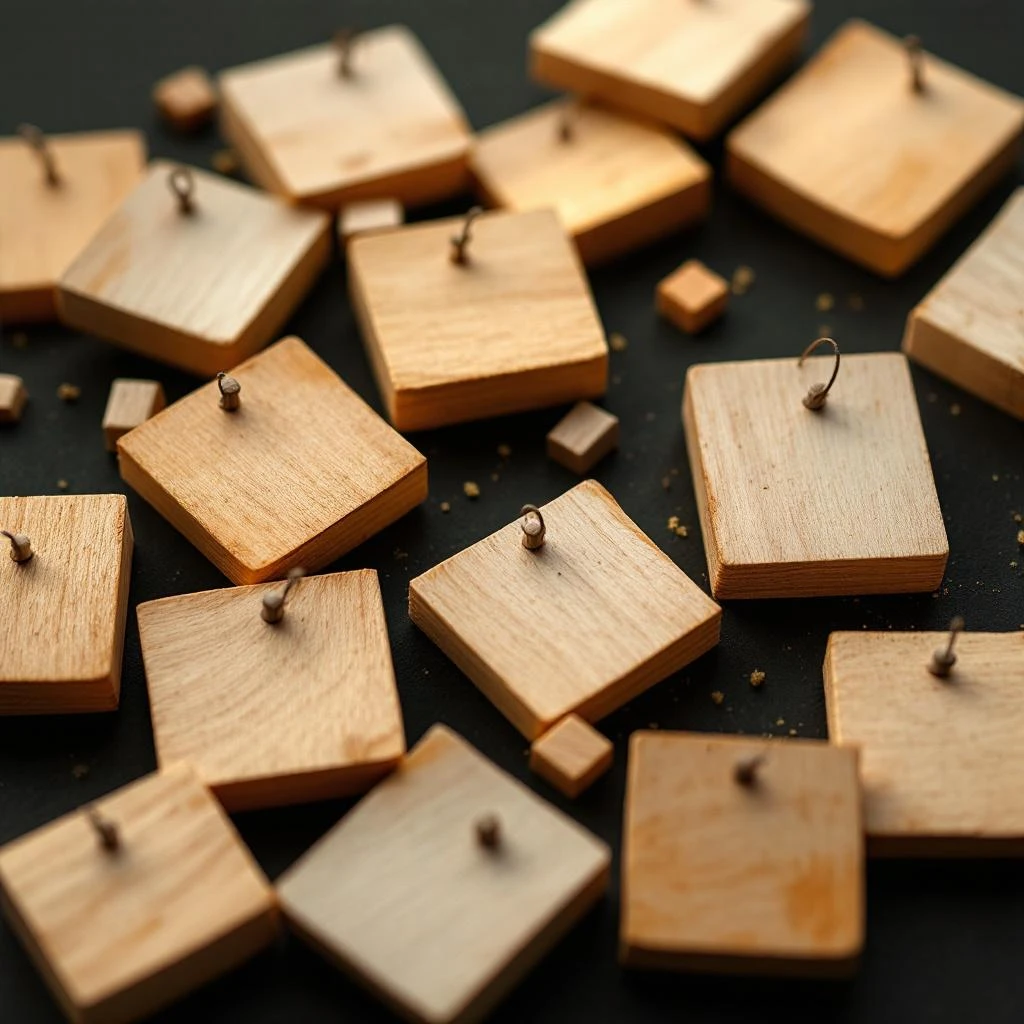
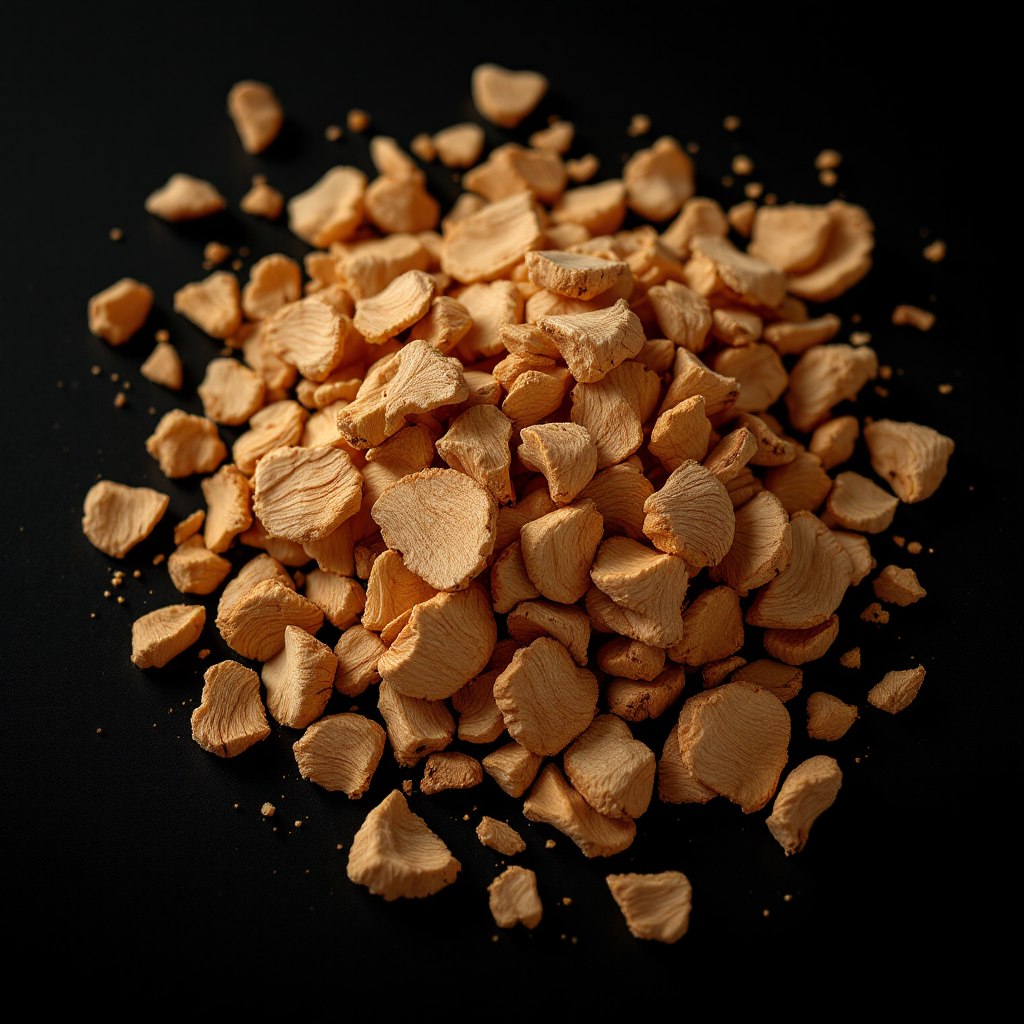
Wood Shavings
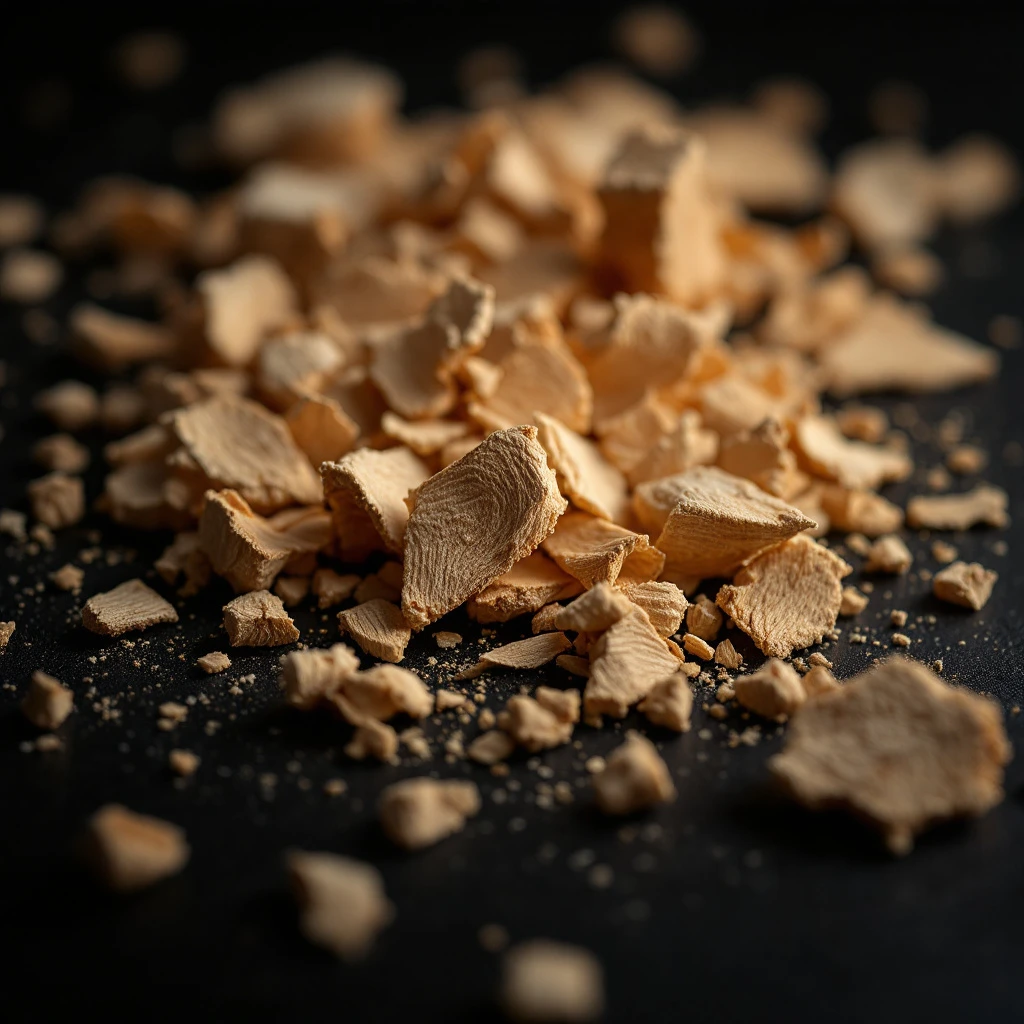
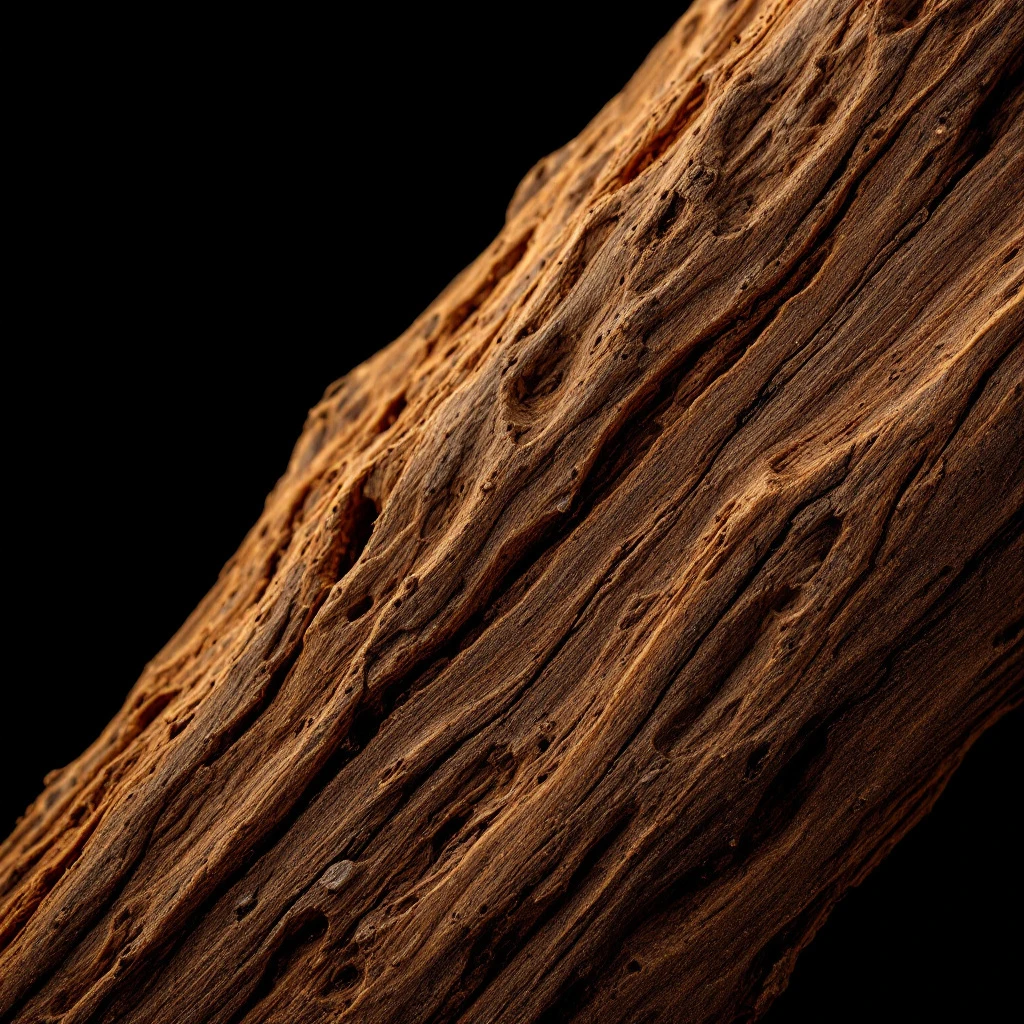
Freshly planed wood shavings capture an honest, tactile scent—warm, dry, and slightly sweet with an organic rawness that grounds fragrance compositions. This material brings natural authenticity rarely found in synthetic alternatives.
Character
How it smells
The honest scent of a craftsman's bench.
The same shavings that fall from a carpenter's plane capture aromatic compounds prized in fine perfumery, turning workshop waste into luxury.


Origin
Multiple origins (India, Brazil, USA)
Wood shavings represent one of perfumery's oldest aromatic sources. Ancient Egyptians used cedar and cypress shavings in their sacred preparations, while medieval European apothecaries believed certain woods held therapeutic properties.
The material gained prominence during the Renaissance when European woodworkers began refining aromatic extraction techniques. Traditional Chinese medicine incorporated sandalwood shavings into ceremonial blends, and Japanese artisans developed hinoki and cedar traditions that continue today.
The industrial age brought new extraction methods, allowing perfumers to capture wood's aromatic profile more efficiently. Modern sustainability practices have renewed interest in wood shavings as an upcycled material, transforming what was once sawmill waste into a prized perfumery ingredient with a light footprint.
Wears it best
Fragrances featuring Wood Shavings

Brands
Brands known for Wood Shavings
Good to know
Questions, answered
The essentials on Wood Shavings in perfumery: how it smells, where it comes from, and how it behaves on skin.
What does wood shavings smell like in perfume?
Wood shavings deliver a fresh, dry, and slightly sweet aroma with natural green and tactile qualities. It smells like the moment fresh wood is planed, offering honest warmth that grounds compositions with organic authenticity.
How do wood shavings differ from other wood notes like cedarwood oil?
Wood shavings capture immediate top and heart notes that heavier extracts miss. Cedarwood essential oil provides concentrated, deep woody character, while shavings deliver a fresher, more textured aromatic profile closer to raw wood.
Is wood shavings a natural or synthetic ingredient in perfumery?
Wood shavings used in fine perfumery is a natural material. Natural shavings contain hundreds of aromatic compounds creating complex, evolving effects that synthetics cannot fully replicate.
Which perfume families commonly use wood shavings?
Woody, chypre, and fougere families most commonly feature wood shavings. The material works particularly well in men's fragrances seeking natural texture, and in gender-neutral compositions requiring organic authenticity.
What woods are used for perfumery shavings?
Cedar, cypress, pine, and sandalwood are primary species. Each brings distinct aromatic character—cedar offers dry warmth, cypress provides fresh pine-like qualities, while sandalwood adds creamy, lasting depth.
Can wood shavings cause skin sensitivity?
Natural wood extracts may cause sensitivity in susceptible individuals. Cedarwood compounds like cedrol appear most frequently in allergy databases. Professional dilution guidelines ensure safe use in finished products.
How does sustainability factor into wood shavings sourcing?
Modern perfumery increasingly sources wood shavings from certified forestry operations and upcycled sawmill waste. This approach transforms industrial byproducts into valuable aromatic materials with minimal environmental impact.
What role do wood shavings play in fragrance composition?
Wood shavings typically function as heart and base notes, providing drydown stability and textural depth. The material anchors lighter top notes while adding organic complexity that makes compositions feel grounded and authentic.