White Vanilla
White Vanilla captures the soft, creamy soul of this beloved ingredient—warm skin, sun-dried pods, and a whisper of tonka bean. This note brings comfort without cloying sweetness.
Character
How it smells
The creamy heart of vanilla's allure
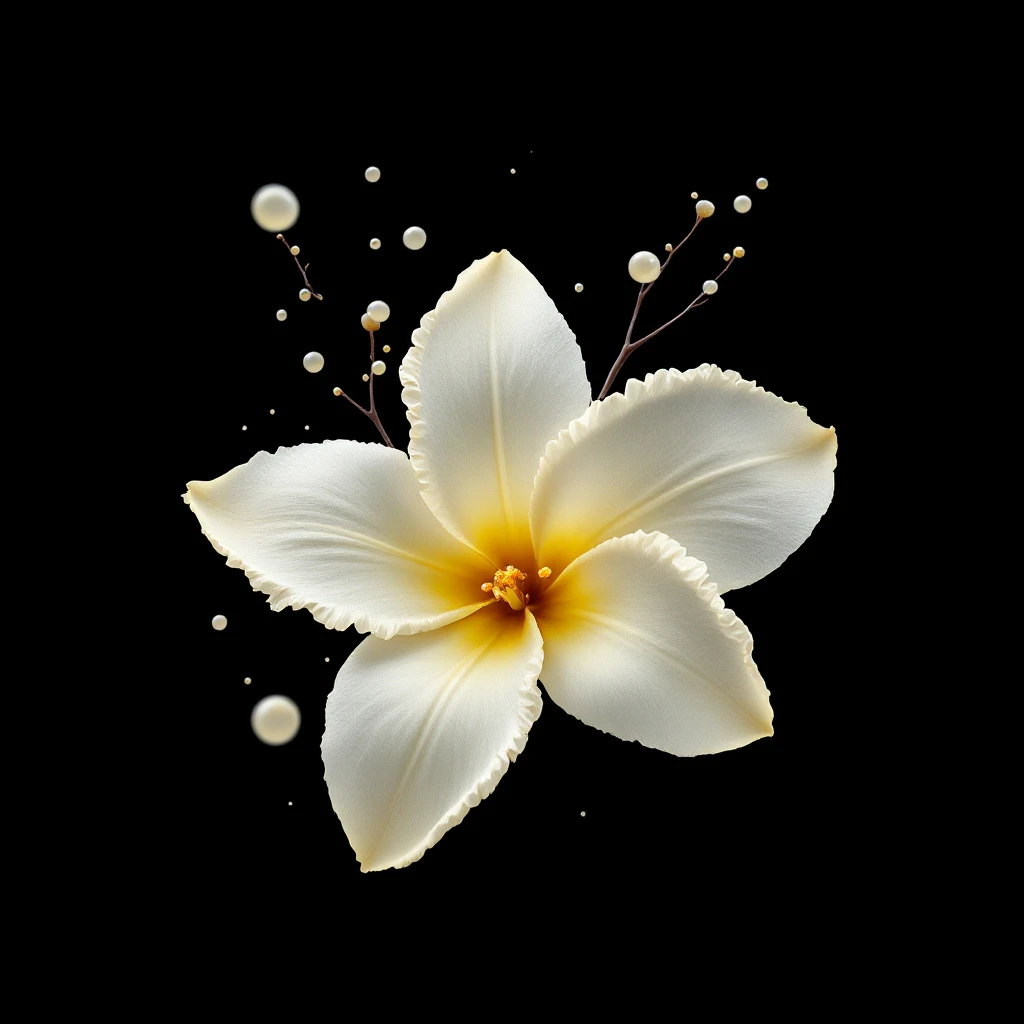
Vanilla comes from an orchid. Each flower blooms for just one day and requires hand-pollination to produce pods.



Origin
Mexico
Vanilla entered perfumery through Mesoamerican civilizations. The Aztecs used it as a sacred spice, blending vanilla with cacao in ceremonial beverages. Spanish conquistadors carried vanilla to Europe in the 1500s, where it quickly gained favor for both culinary and medicinal applications. For centuries, Mexico held a cultivation monopoly because the native Melipona bee performed the essential pollination.
The breakthrough came in the 1840s when French colonists on Reunion Island discovered hand-pollination techniques. The method spread to Madagascar, which now produces roughly 80 percent of the world's vanilla. The late 19th century transformed the ingredient's role in perfumery. In 1894, chemists synthesized ethylvanillin—a molecule with a more intense vanilla scent than natural vanillin.
This enabled commercial vanilla use in mass-market fragrances. White vanilla represents a modern refinement: perfumers isolate the lightest, most lactonic facets of vanilla, producing a clean, airy expression that captures vanilla's comforting essence without its deeper, darker character.
Wears it best
Fragrances featuring White Vanilla
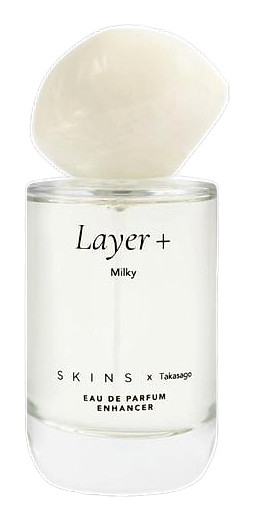
Brands
Brands known for White Vanilla
Good to know
Questions, answered
The essentials on White Vanilla in perfumery: how it smells, where it comes from, and how it behaves on skin.
What makes white vanilla different from regular vanilla in fragrance?
White vanilla uses refined extracts that emphasize clean, lactonic qualities. Perfumers filter out heavier resinous notes, creating a lighter, creamier vanilla character. It smells like vanilla ice cream at its freshest rather than dark, aged pods. This makes it ideal for modern, skin-like fragrances.
Why does vanilla cost more than most fragrance ingredients?
Vanilla ranks among the world's most labor-intensive crops. Each flower requires hand-pollination, and pods need nine to twelve months to mature. The curing process takes additional months. This scarcity explains vanilla's premium price and its frequent pairing with synthetic alternatives.
Where does the best vanilla for perfumery grow?
Madagascar produces roughly 80 percent of global vanilla supply. Mexican vanilla carries historical prestige and unique flavor compounds from native pollination. Other sources include Tahiti, Indonesia, and Reunion Island, each offering subtly different aromatic profiles.
How do perfumers extract vanilla scent?
Extractors macerate dried, cured vanilla pods in alcohol to create a tincture. More commonly, volatile solvent extraction produces a concrete and absolute. High-quality resinoid results from further purification. Each method captures different ratios of vanillin, ethylvanillin, and hundreds of supporting volatile compounds.
What does white vanilla smell like?
White vanilla smells creamy, warm, and lactonic with sweet, vanillin-forward character. It recalls vanilla ice cream, warm skin, and subtle coumarin from tonka bean. Unlike dark vanilla extracts, it stays clean and airy, with minimal resinous or smoky depth.
Can synthetic vanilla match natural extracts?
Synthetic vanillin copies the primary aromatic molecule but lacks the complex volatile orchestra of natural vanilla. Naturals offer 400-plus compounds that create depth, warmth, and roundness. Ethylvanillin provides stronger gourmand character. Most modern fragrances blend natural and synthetic vanilla for both cost efficiency and olfactory completeness.
What role does white vanilla play in fragrance composition?
White vanilla functions as base note, fixative, and modifier. It adds warmth and sensuality while delivering comforting sweetness that appeals broadly. As a fixative, it extends the lifespan of other ingredients. These qualities make it popular in gourmand, oriental, and skin-like fragrance families.
When did vanilla become important in perfumery?
Spanish conquistadors introduced vanilla to Europe in the 16th century, but perfumery applications developed slowly due to pollination challenges. Hand-pollination techniques in the 1840s enabled broader cultivation. The 1894 synthesis of vanillin proved transformative, making vanilla's signature scent commercially accessible for mass-market fragrances.