Chestnut cream
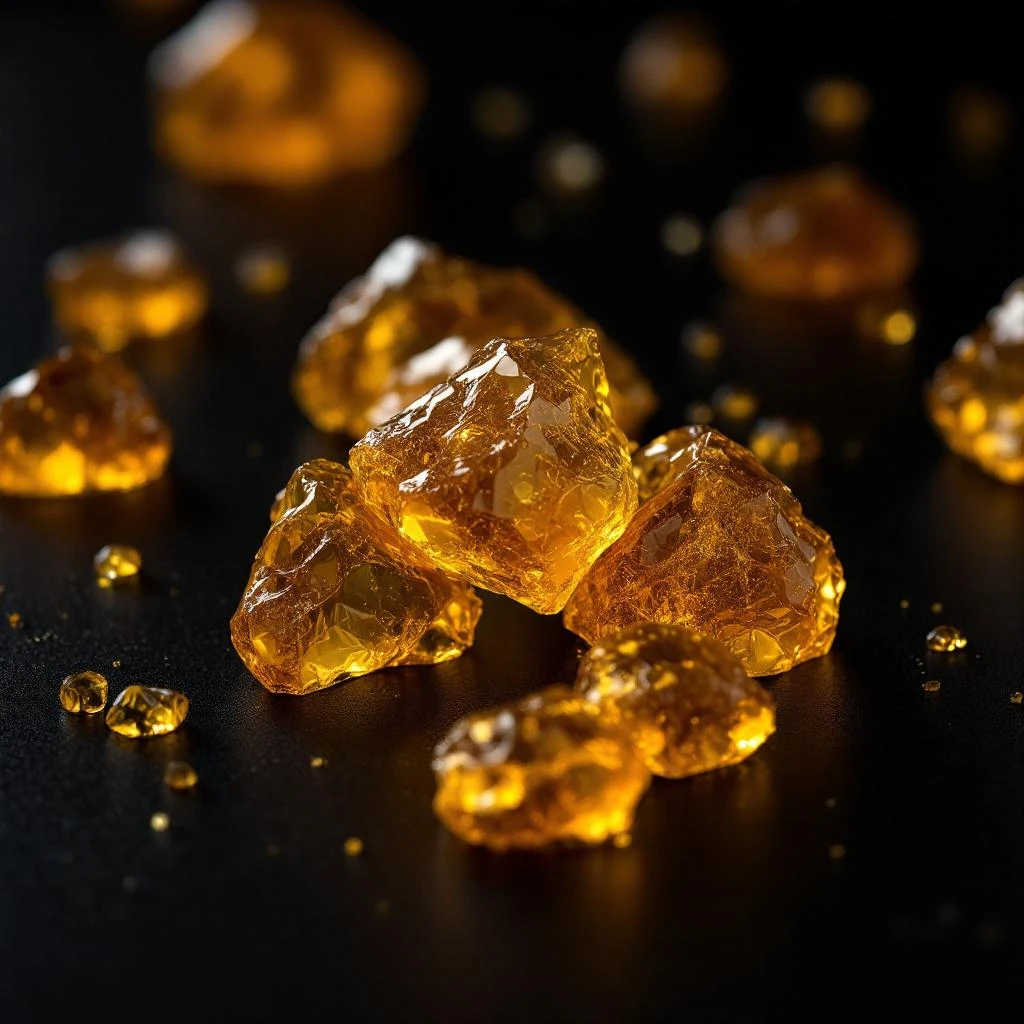
A warm, nutty accord inspired by sweet chestnuts. Chestnut cream captures the creamy, slightly sweet and subtly roasted character of roasted chestnuts, a comfort note evoking autumn firesides.
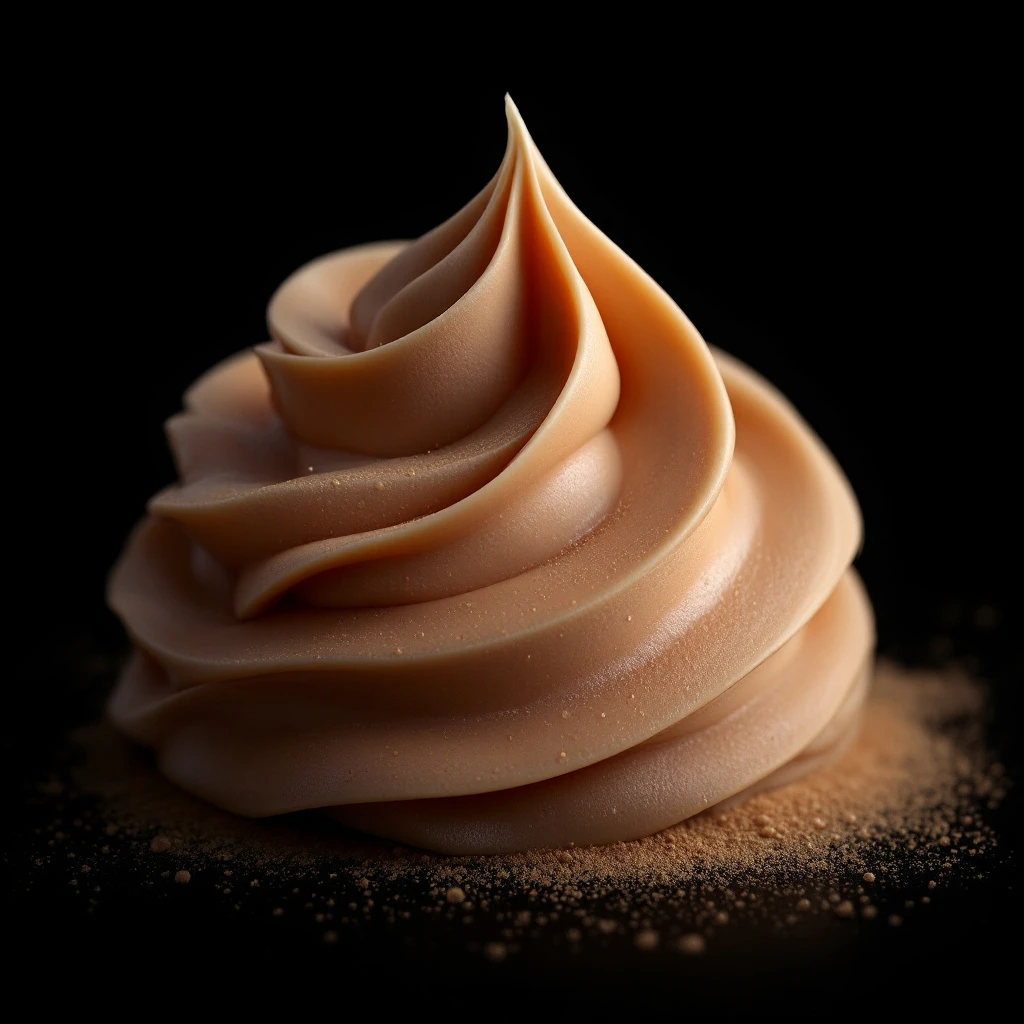
Character
How it smells
Autumn warmth captured in scent.
Chestnut cream in perfumery is typically a synthetic accord, as natural chestnut absolute remains rar




Origin
Mediterranean Basin
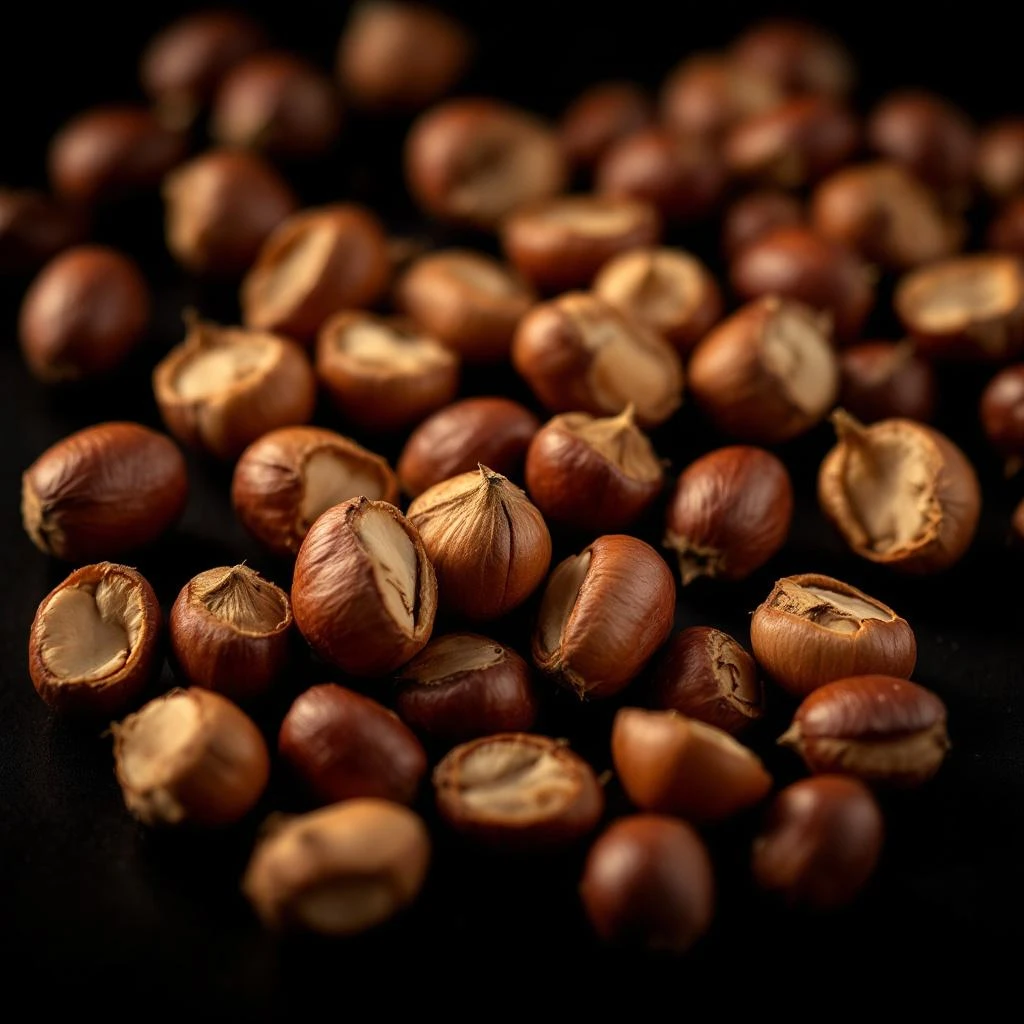
The sweet chestnut, Castanea sativa, originates from the hillsides of Asia Minor and the Mediterranean basin, where communities cultivated it for millennia. Ancient Greeks and Romans prized chestnuts as a staple food, with Roman texts documenting dozens of cultivation varieties.
Throughout medieval Europe, chestnut groves sustained mountain populations earning the tree names like "bread tree" because roasted nuts provided crucial calories when grain harvests failed. The tree spread across Southern Europe, establishing deep roots in Italy, France, Spain and Greece, where it became woven into culinary and cultural traditions.
The edible nut inspired perfumers seeking warm, comforting qualities as perfumery evolved. Modern fragrance houses began using chestnut-inspired accords in the late 20th century as gourmand notes gained popularity, drawn to the nuts warm, slightly sweet and earthy profile.
Wears it best
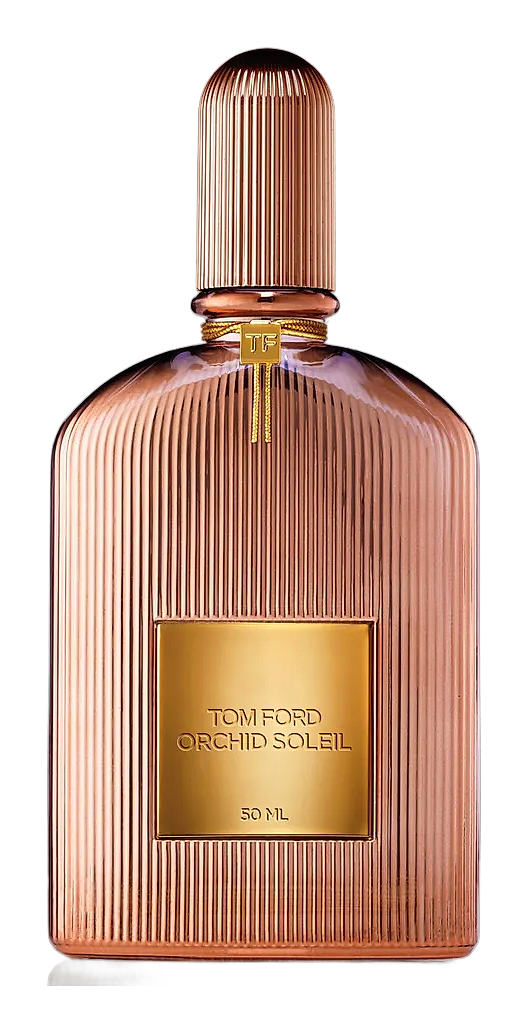
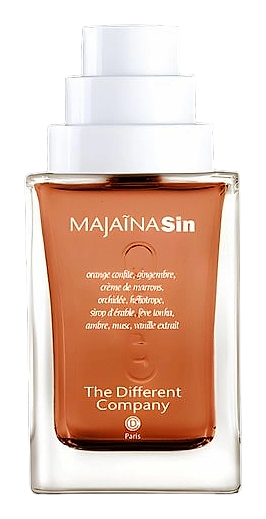
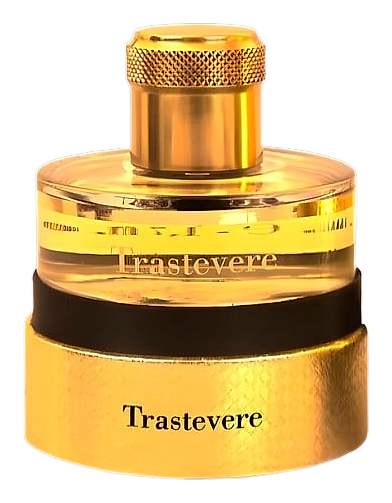
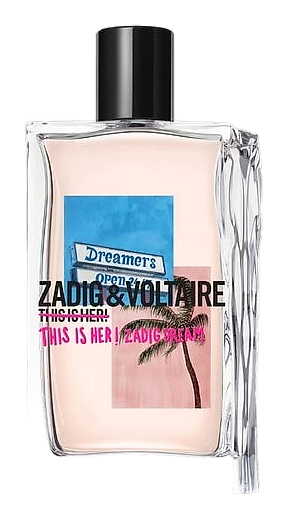
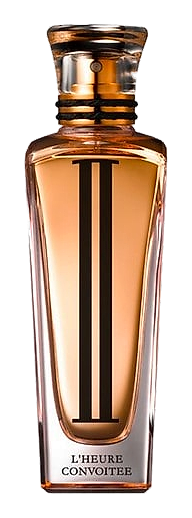
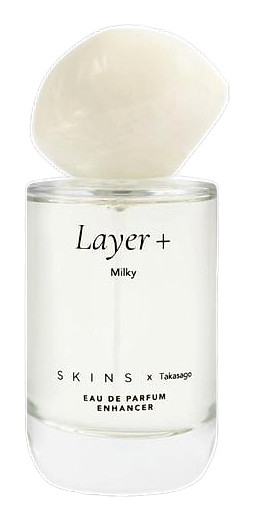
Fragrances featuring Chestnut cream


Brands
Brands known for Chestnut cream
Good to know
Questions, answered
The essentials on Chestnut cream in perfumery: how it smells, where it comes from, and how it behaves on skin.
What does chestnut cream smell like in fragrance?
Chestnut cream in fragrance smells warm, creamy and nutty with subtle sweet and roasted undertones. It captures the cozy essence of roasted chestnuts without bitterness.
Is chestnut cream a natural or synthetic ingredient?
Chestnut cream is typically a synthetic accord, not a naturalextract. Replicating chestrut requires combining lactones and pyrazines to recreate the creamy, roasted qualities.
How do perfumers create chestnut notes?
Perfumers build chestnut accords by blending aromatic compounds. Lactones provide creamy, buttery depth while pyrazines add roasted, nutty character.
Which fragrance family uses chestnut notes?
Chestnut appears primarily in gourmand, woody and oriental fragrance families. It pairs naturally with vanilla, sandalwood, resins and spice notes.
Does natural chestnut absolute exist?
Natural chestnut absolute technically exists but rarely appears in commercial perfumery due to extraction difficulty, cost and limited yield from raw material.
What foods does chestnut complement in perfumery?
Chestnut cream works alongside other edible-inspired notes including tonka, vanilla, praline and marzipan, creating rich dessert-like fragrance compositions.
When do chestnut notes appear during fragrance wear?
Chestnut typically emerges in the heart to drydown phases of fragrance development and works as a base note where its warmth provides lasting comfort.
How does chestnut cream differ from vanilla or tonka?
Chestnut cream is subtly sweet and nutty with roasted quality, whereas vanilla is more pronounced and sugary, and tonka carries coumarins lending sweet, hay-like freshness.